Decorating for the Holidays at Colonial Michilimackinac
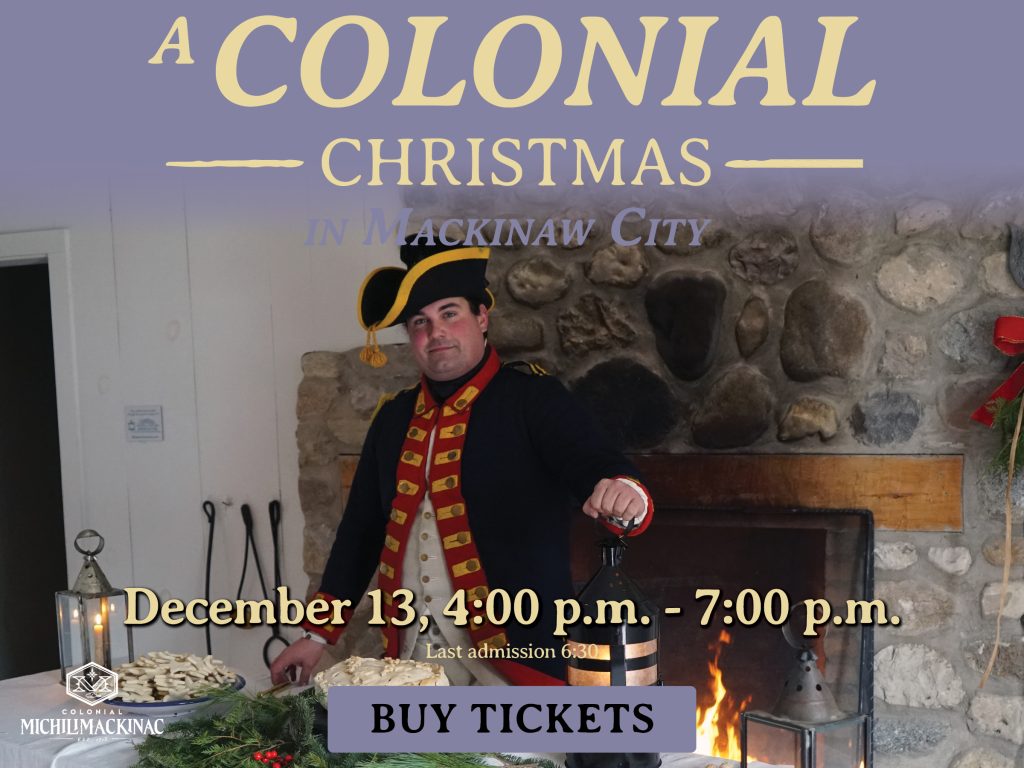
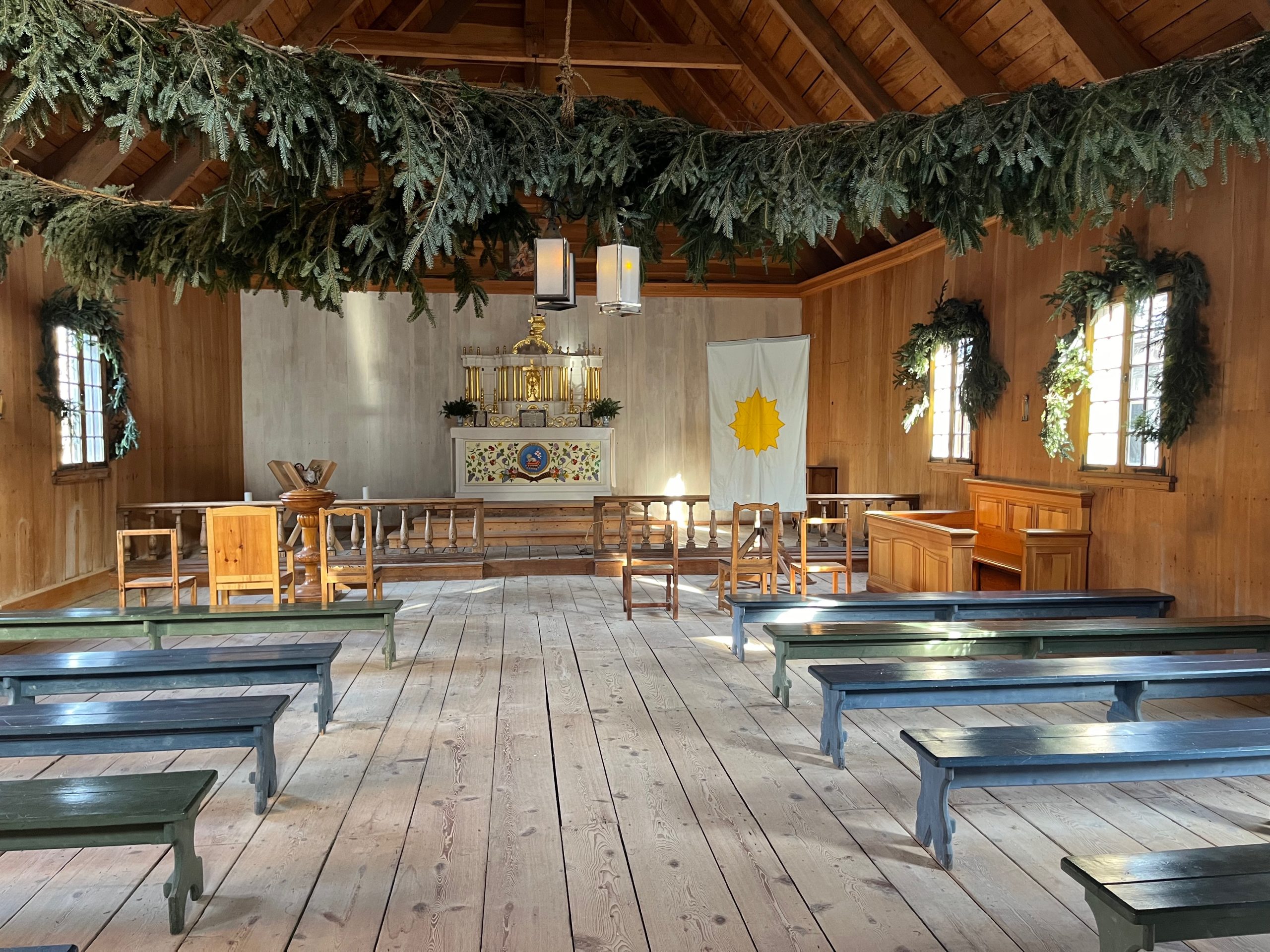
A Colonial Christmas is December 13. What did decorating for the holidays look like during the 18th and 19th centuries?




A Colonial Christmas is December 13. What did decorating for the holidays look like during the 18th and 19th centuries?
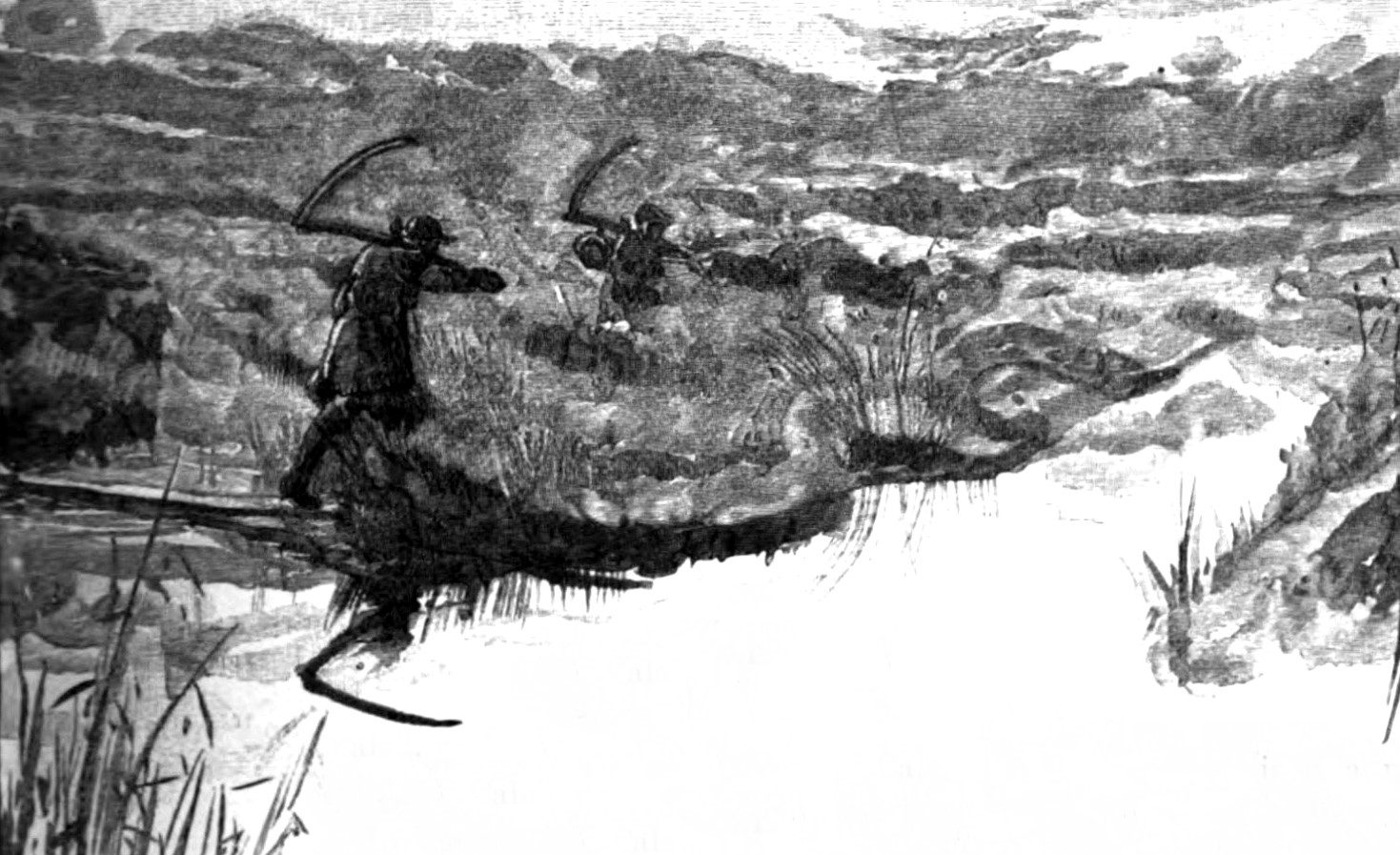
More than 240 years have passed since wooden sloops brought wild hay to the King’s Cattle on Mackinac Island. During your next visit, scan the watery horizon and imagine the scene from a bygone era. Perhaps you’ll glimpse a broad, white sail billowing in the wind. Or listen closely, and just maybe you’ll hear soft, clanking cowbells as supper makes its way across the Straits of Mackinac.
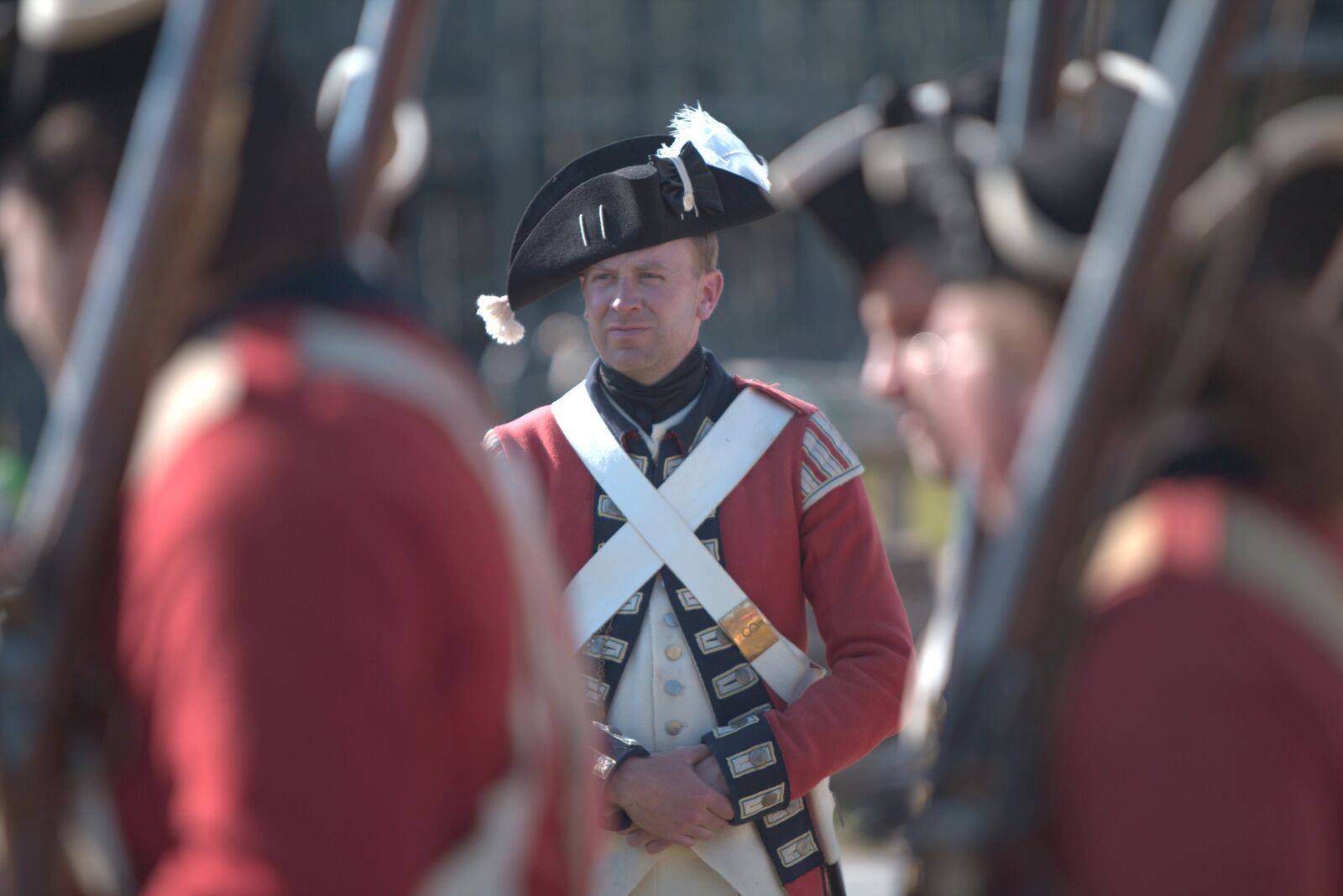
Ongoing historical research and archaeological excavations form the backbone of our interpretive programs and exhibits. Every now and then we come across a mystery! Read more about a mystery of five soldiers from British Michilimackinac who switched sides during the American Revolution.
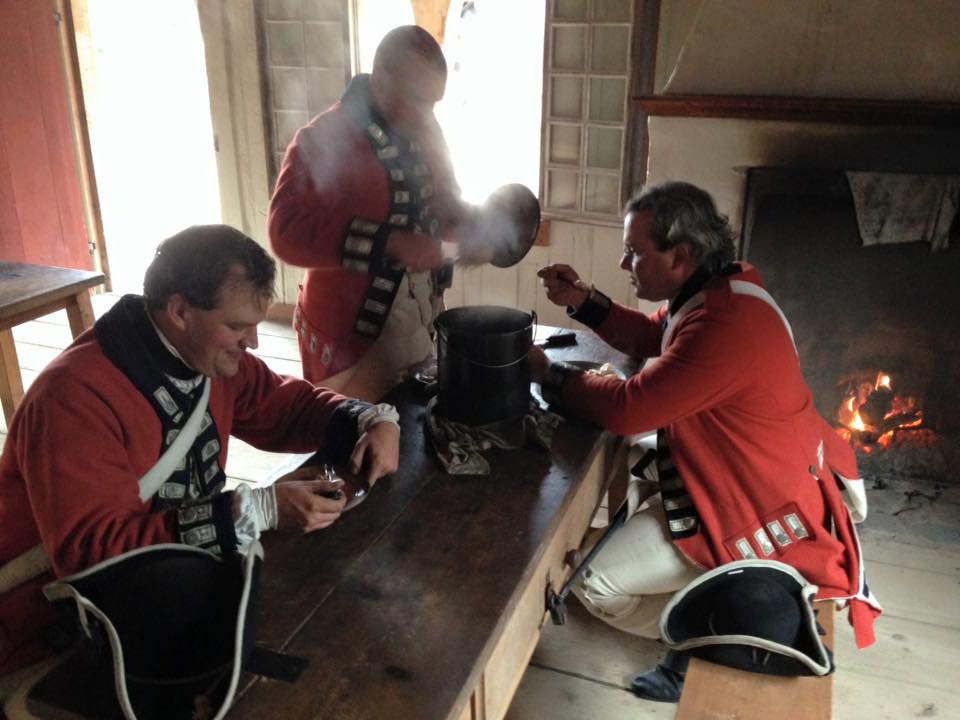
A common question we hear at Michilimackinac concerns liquor being dispensed to soldiers.
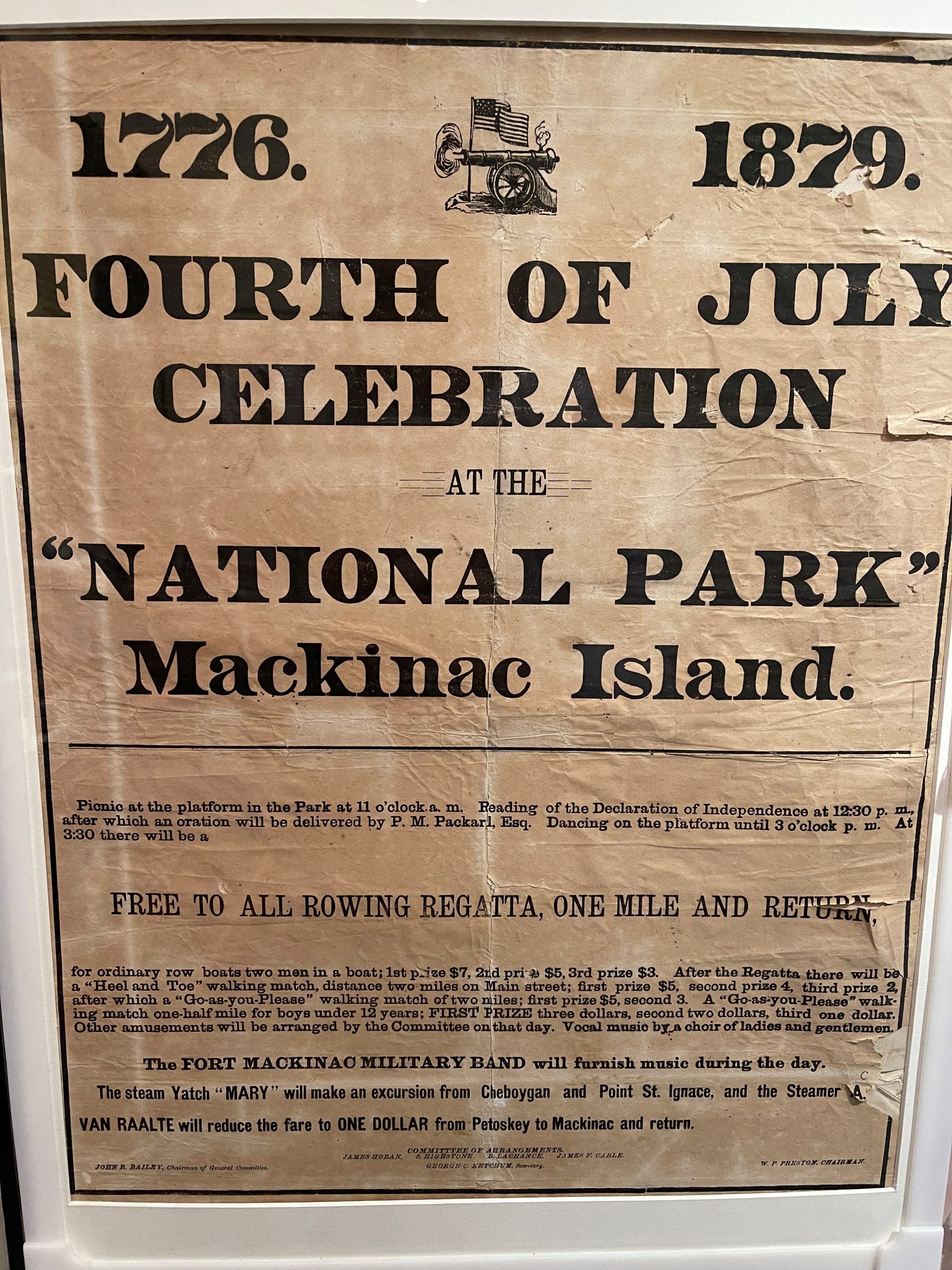
With the holiday weekend upon us, let’s look at how the soldiers and civilians of historic Mackinac celebrated.
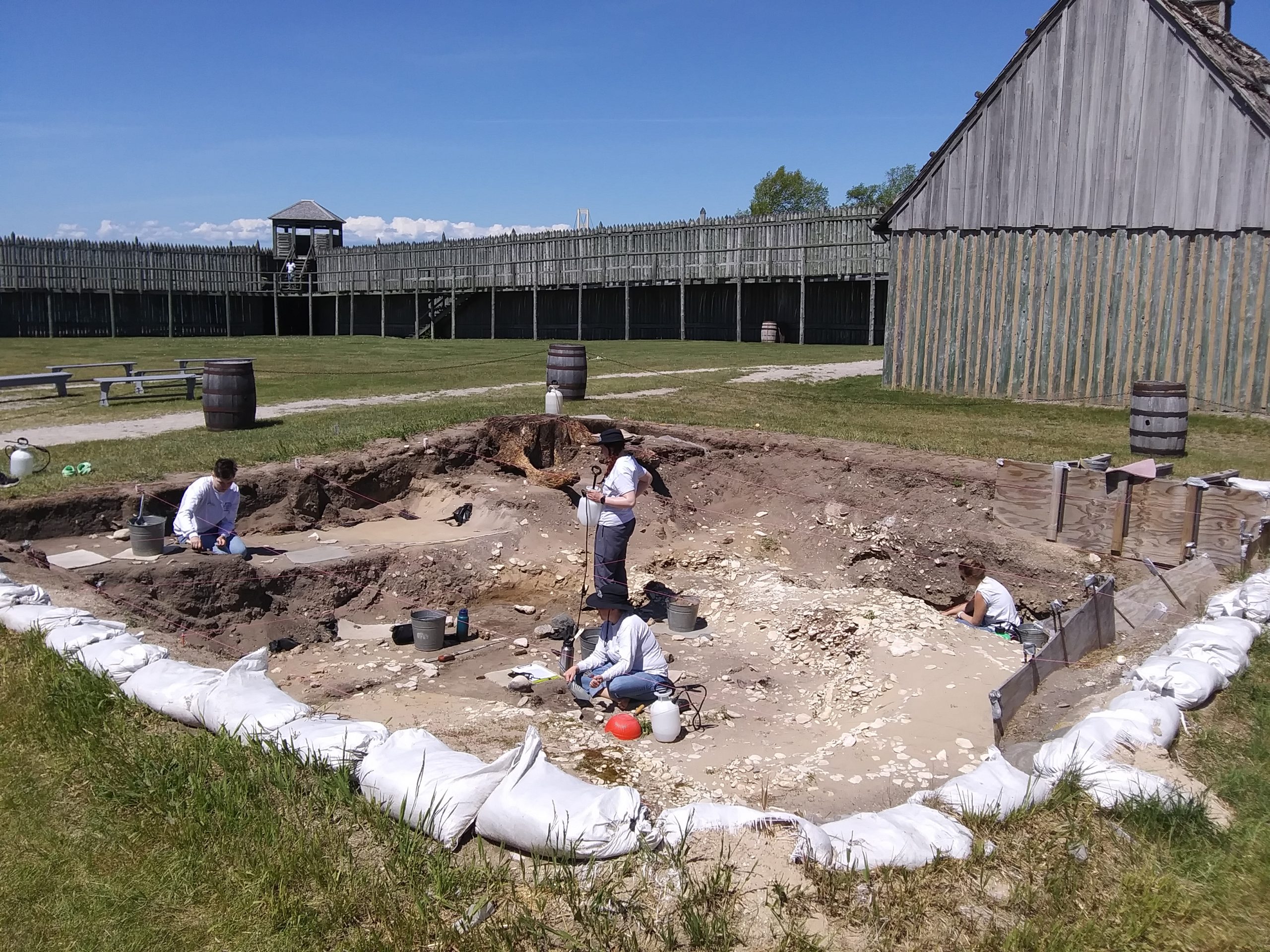
The 63rd archaeological field season at Michilimackinac got underway June 1. This will be the 14th season at the current project, the excavation of House E of the Southeast Rowhouse.
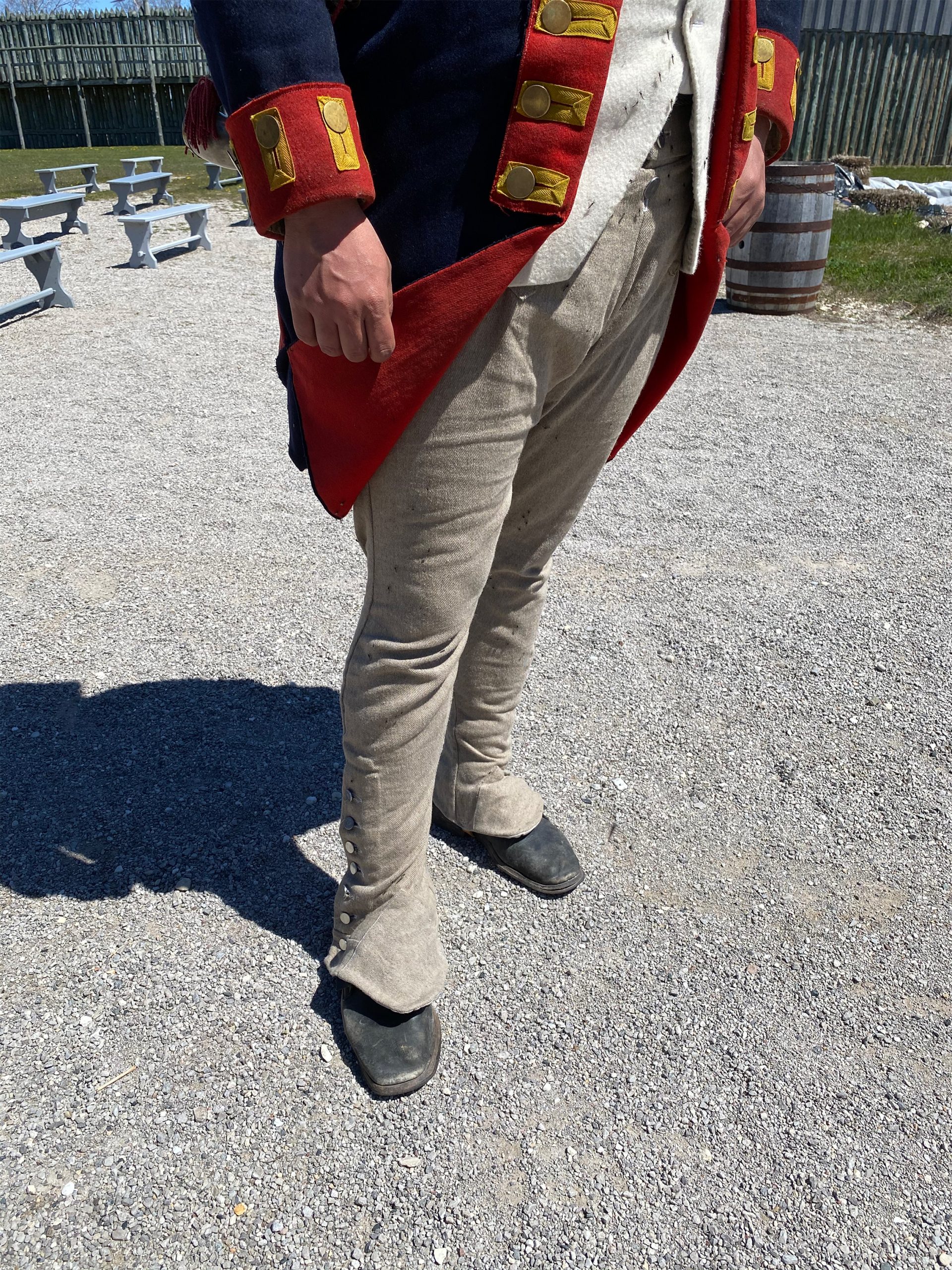
As the American Revolution intensified in the mid-to-late 1770s, and increasing numbers of British soldiers deployed to North America, soldiers began receiving a new type of uniform legwear.
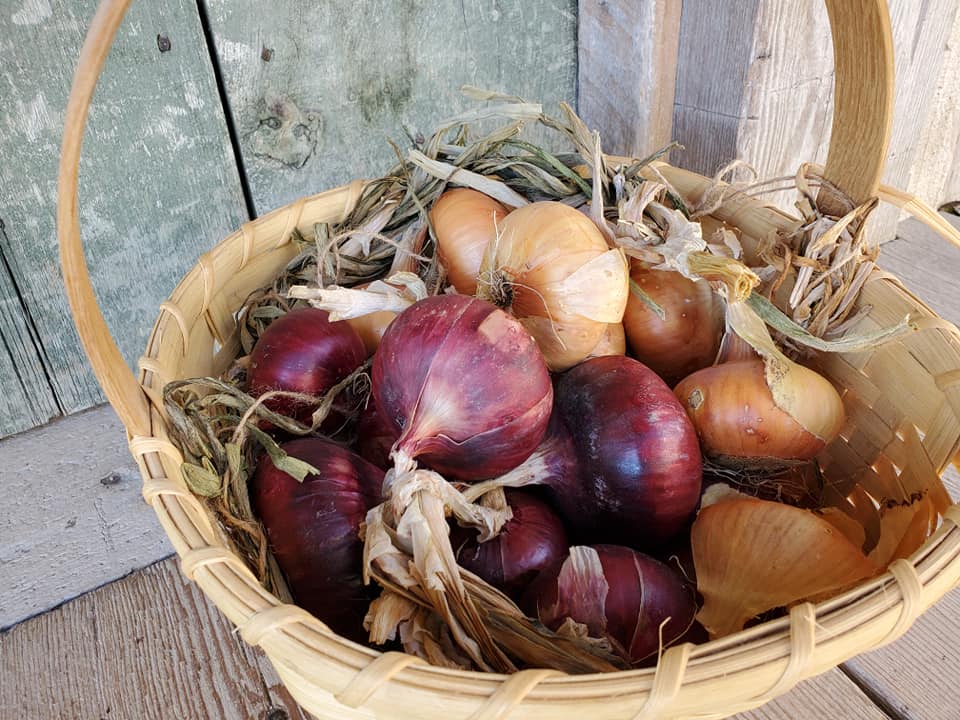
John Askin’s journal, as mentioned in a previous post, is full of all sorts of notes about 18th century life at Michilimackinac. The document is especially useful for understanding the ways in which people were gardening. Today, let’s look at another of the vegetables Askin grew in his garden: onions.
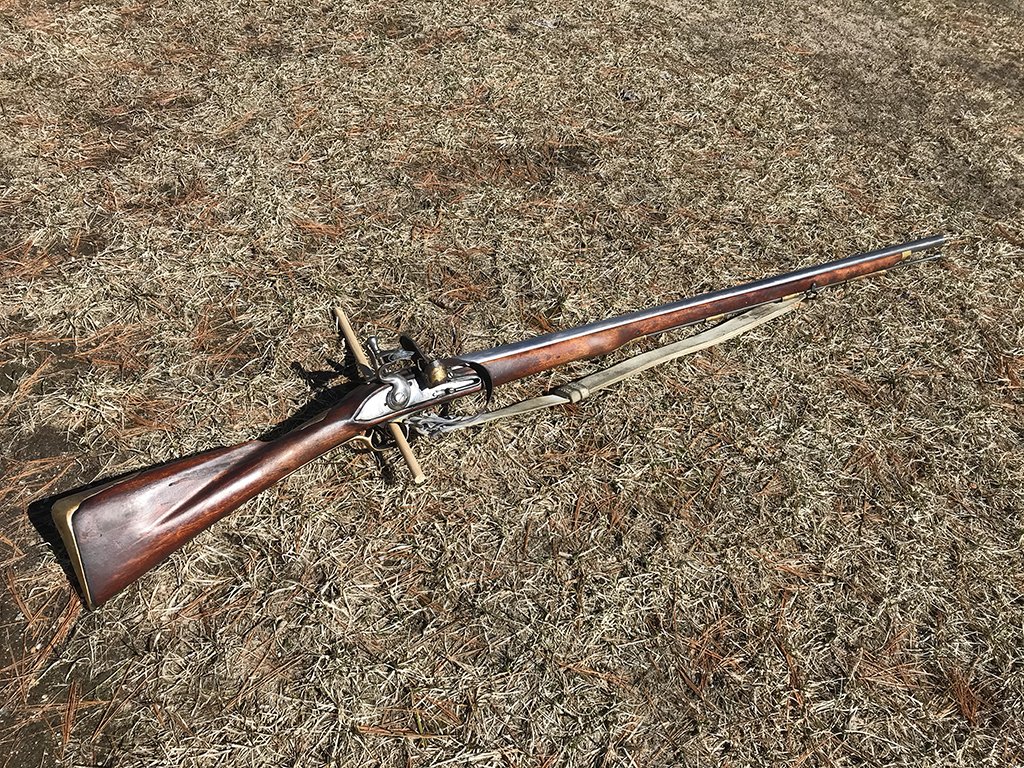
When you visit Colonial Michilimackinac, you’ll probably see a few historical interpreters representing British soldiers of the 8th Regiment going about their daily routine of demonstrations and tours. Every day,