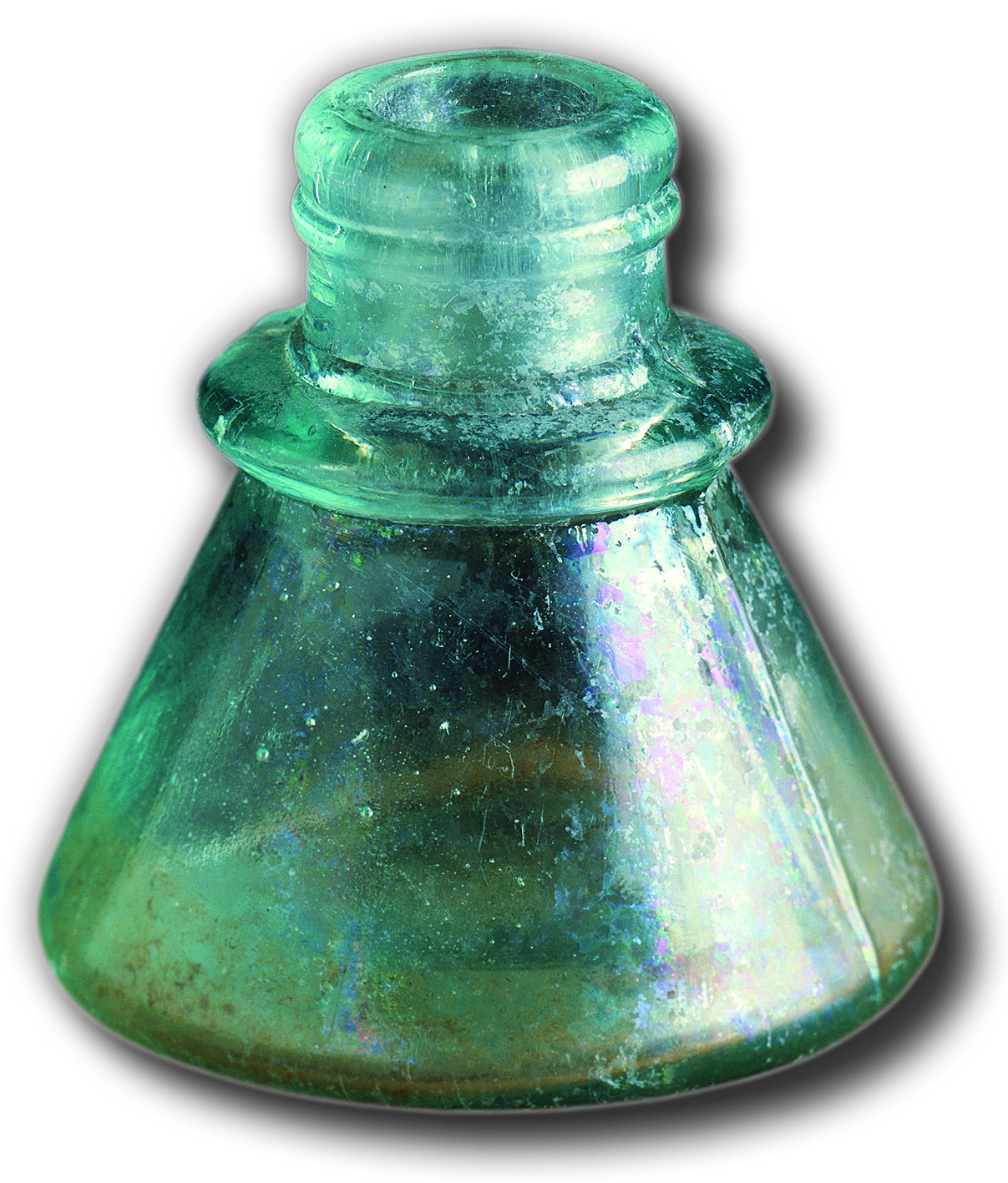
Ink Bottle
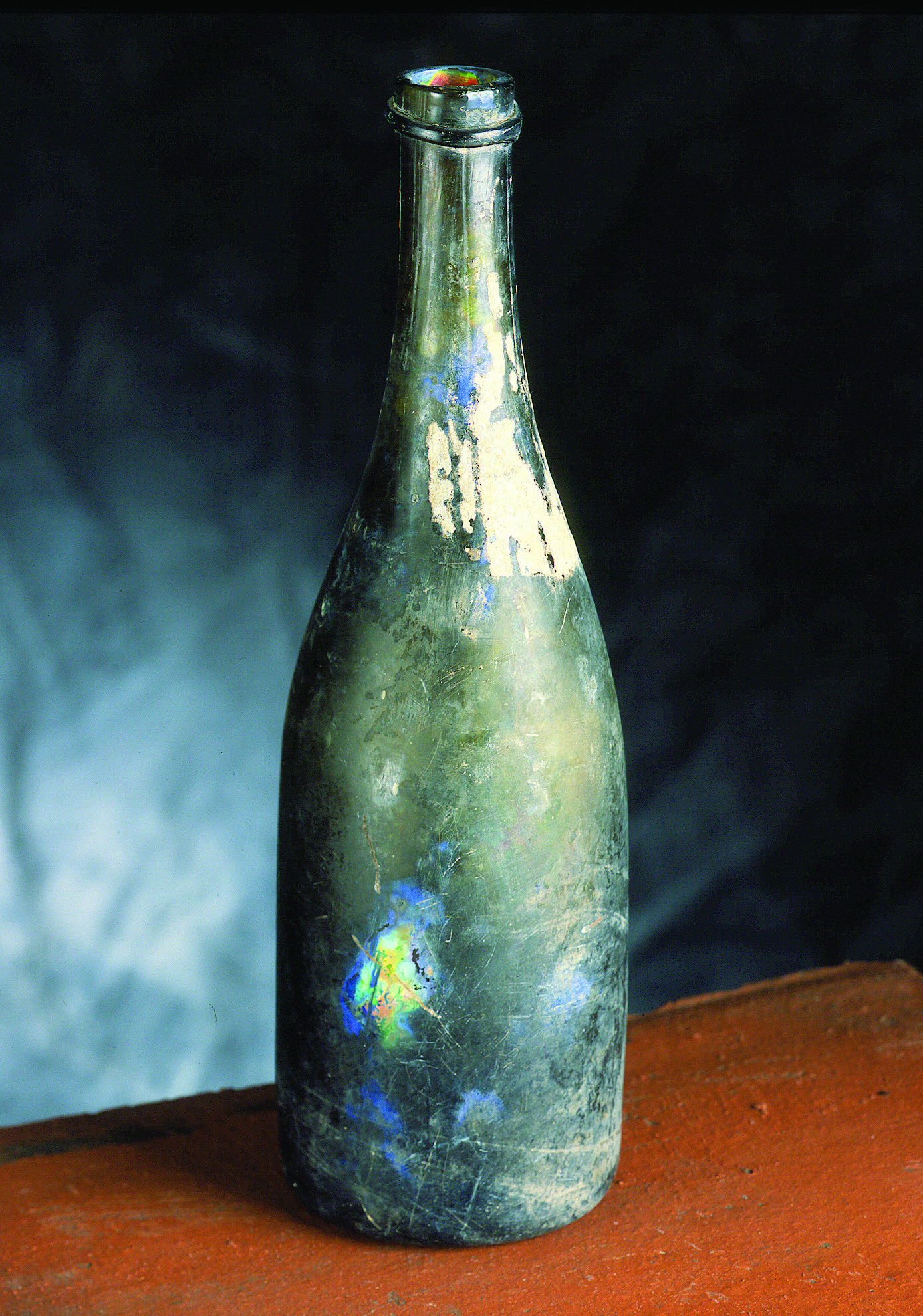
Ink bottles are common in trash pits outside Fort Mackinac. Cone shaped bottles like this are the most common and usually date to the nineteenth century. The bottom of this


Ink bottles are common in trash pits outside Fort Mackinac. Cone shaped bottles like this are the most common and usually date to the nineteenth century. The bottom of this
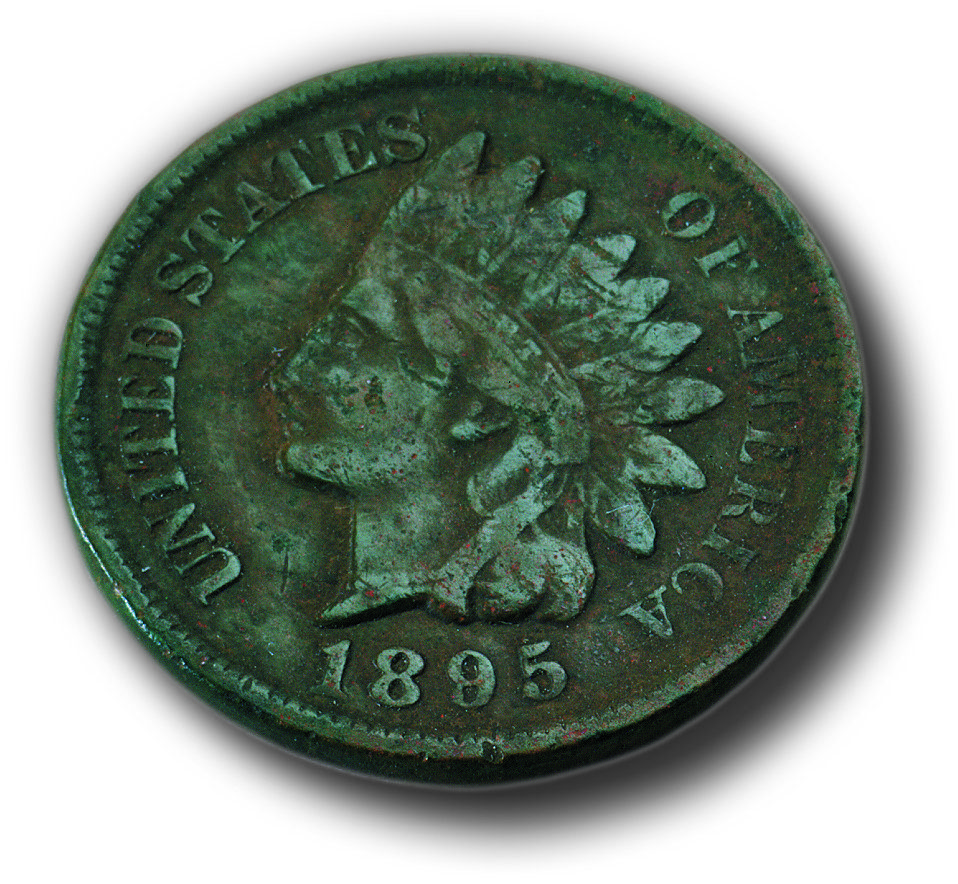
On September 16, 1895 the U.S. army marched out of Fort Mackinac for the last time. The fort, military reservation and Mackinac Island National Park were turned over to the
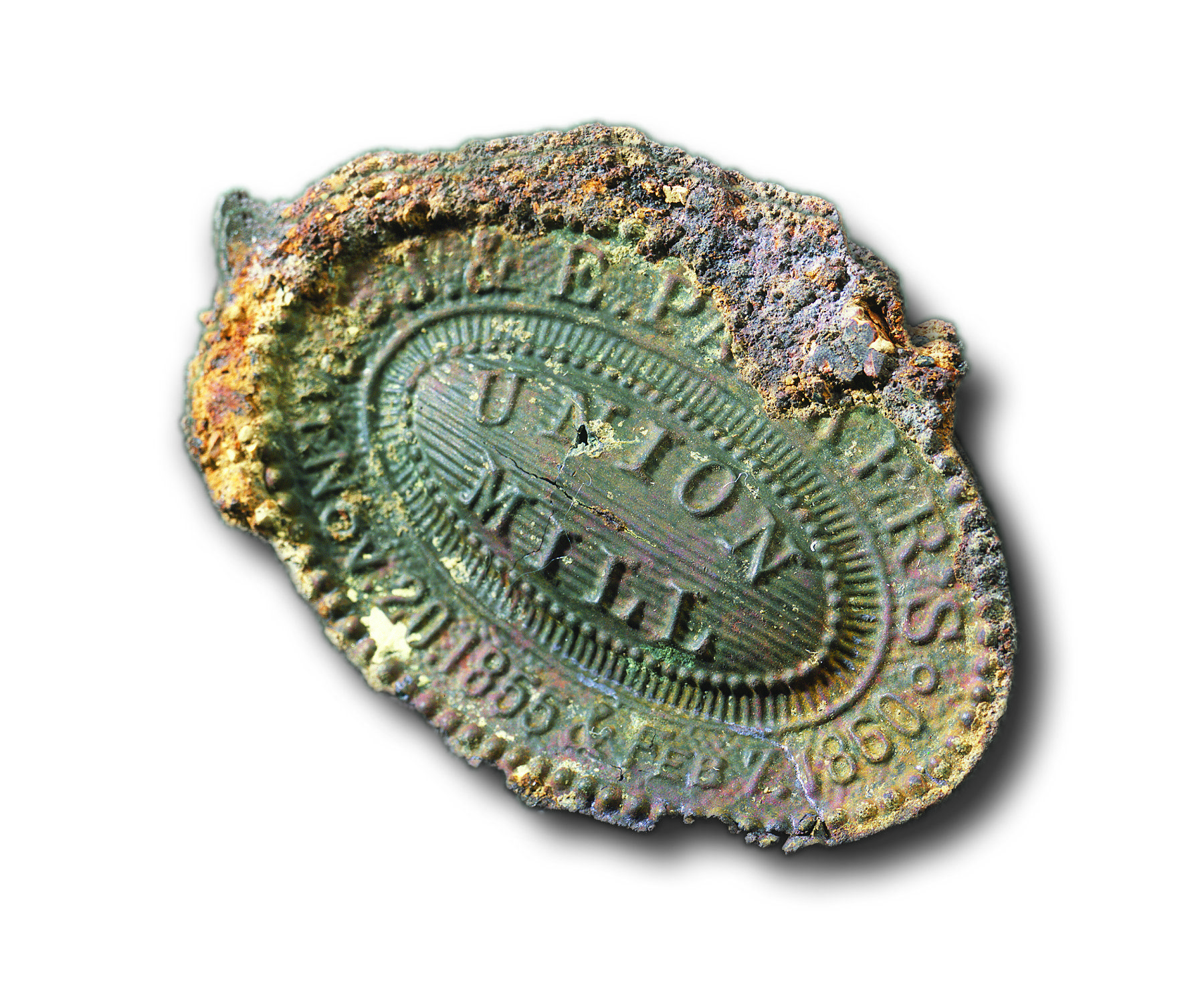
“J. & E. PARKER’S UNION MILL Pat. Nov. 20, 1855 & Feb. 7, 1860” The Parker family, Charles, John and Edmund were prolific makers of coffee mills and other domestic
A stone-lined well in excess of eighty feet deep was one of the original features of Fort Mackinac. It failed prior to 1812 and was filled in over the next
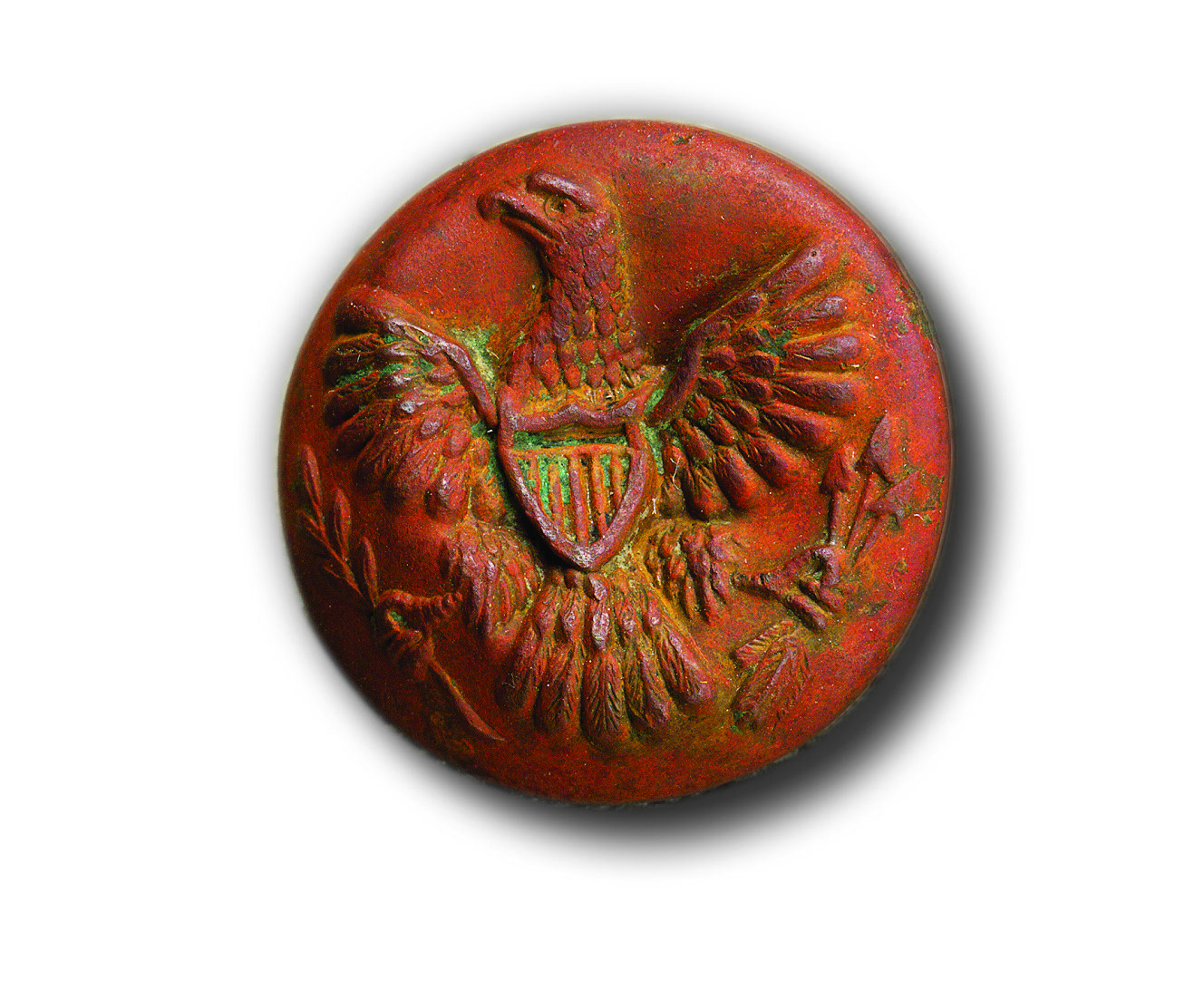
In 1854 the American army finally settled on a standard button design for all enlisted men. This design, an eagle with a lined shield, was used with minor variations until
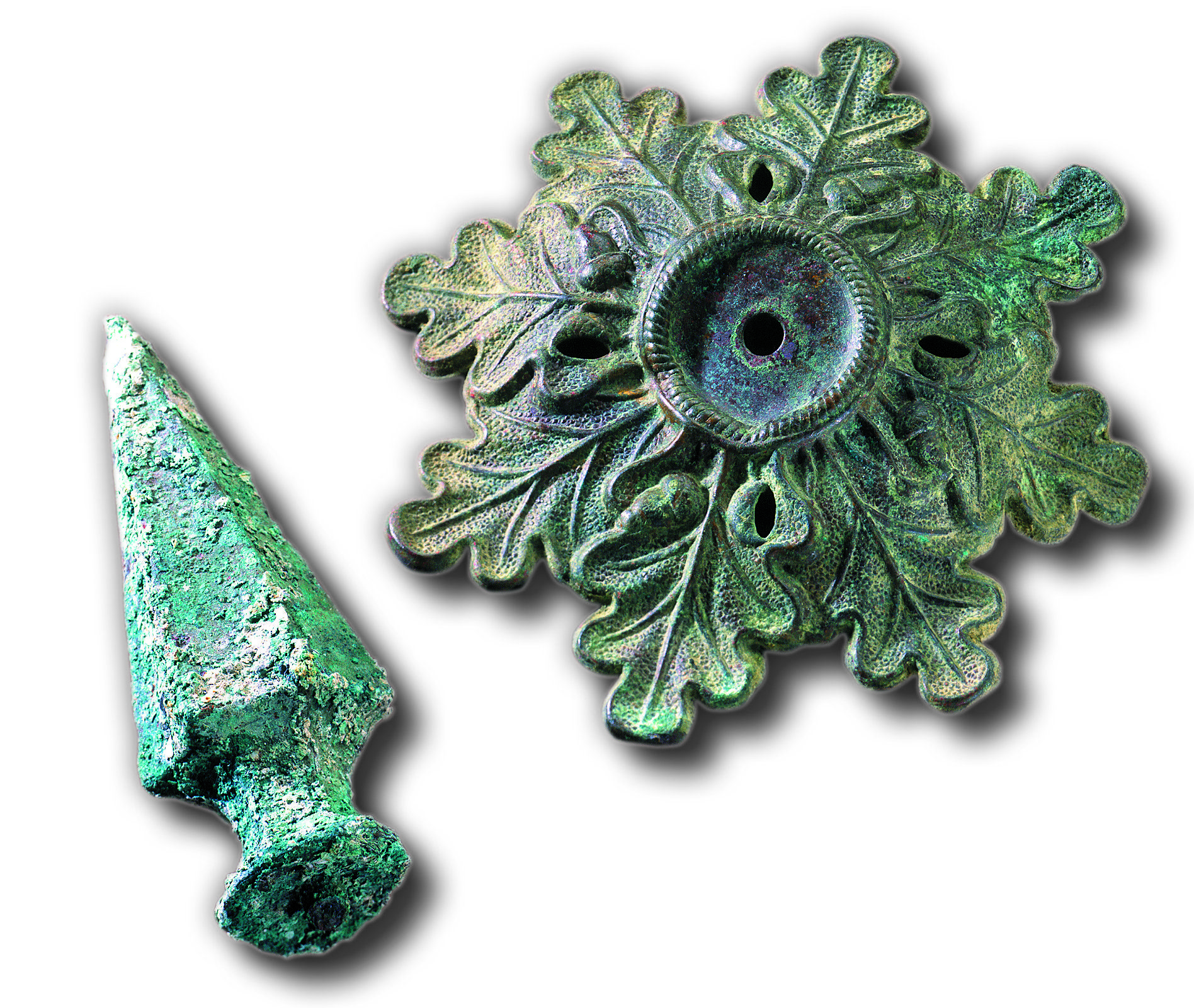
The United State Army ordered a major re-design of its uniforms in 1872. Because the Prussian and British armies were the most successful in the world at that time, the
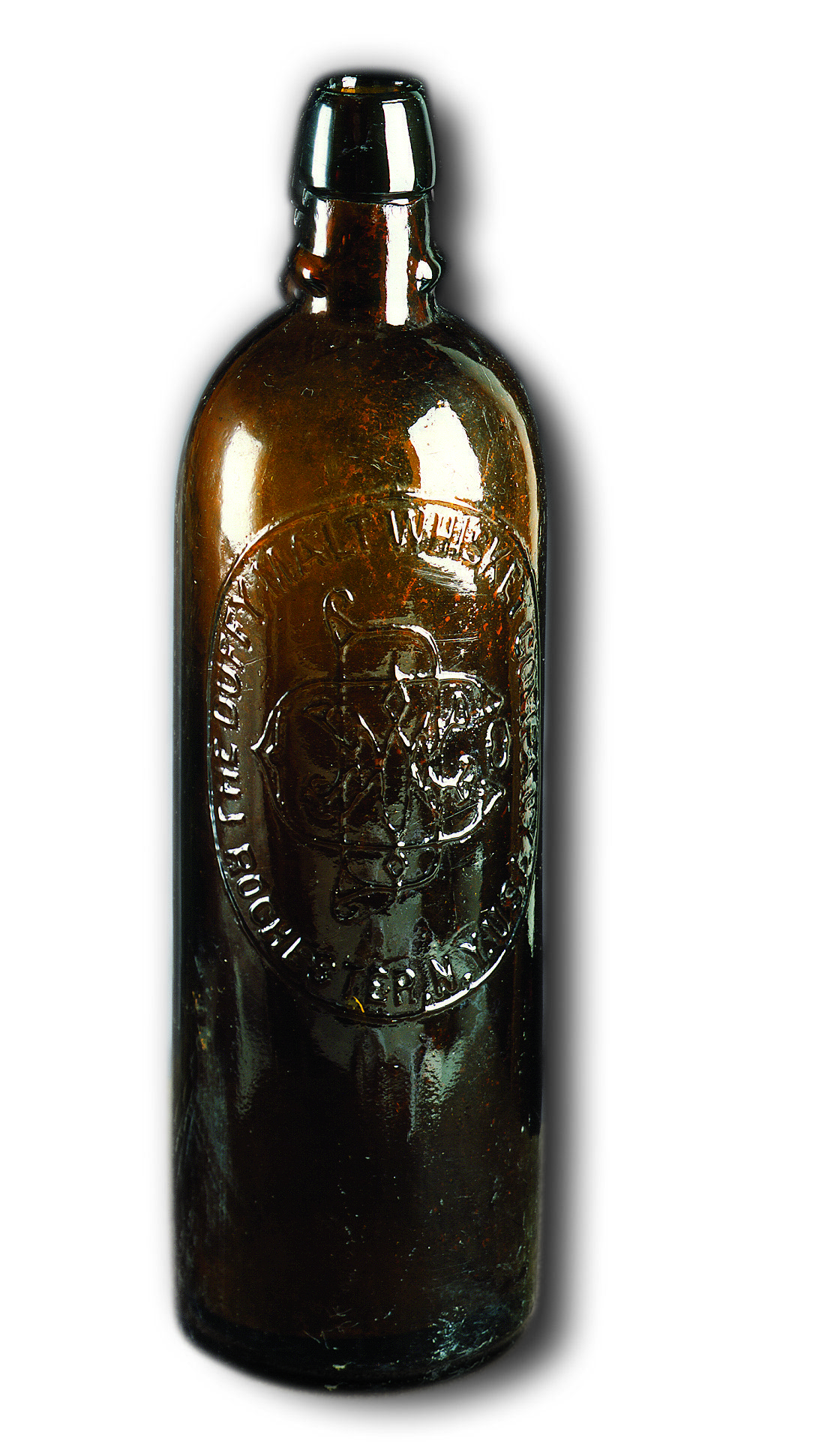
Q: What kind of liquor was taken in the cell by said prisoner? A: Duffy’s Malt Whiskey In November 1888, Private Frank Darlington, company K, 23rd infantry, was court martialed
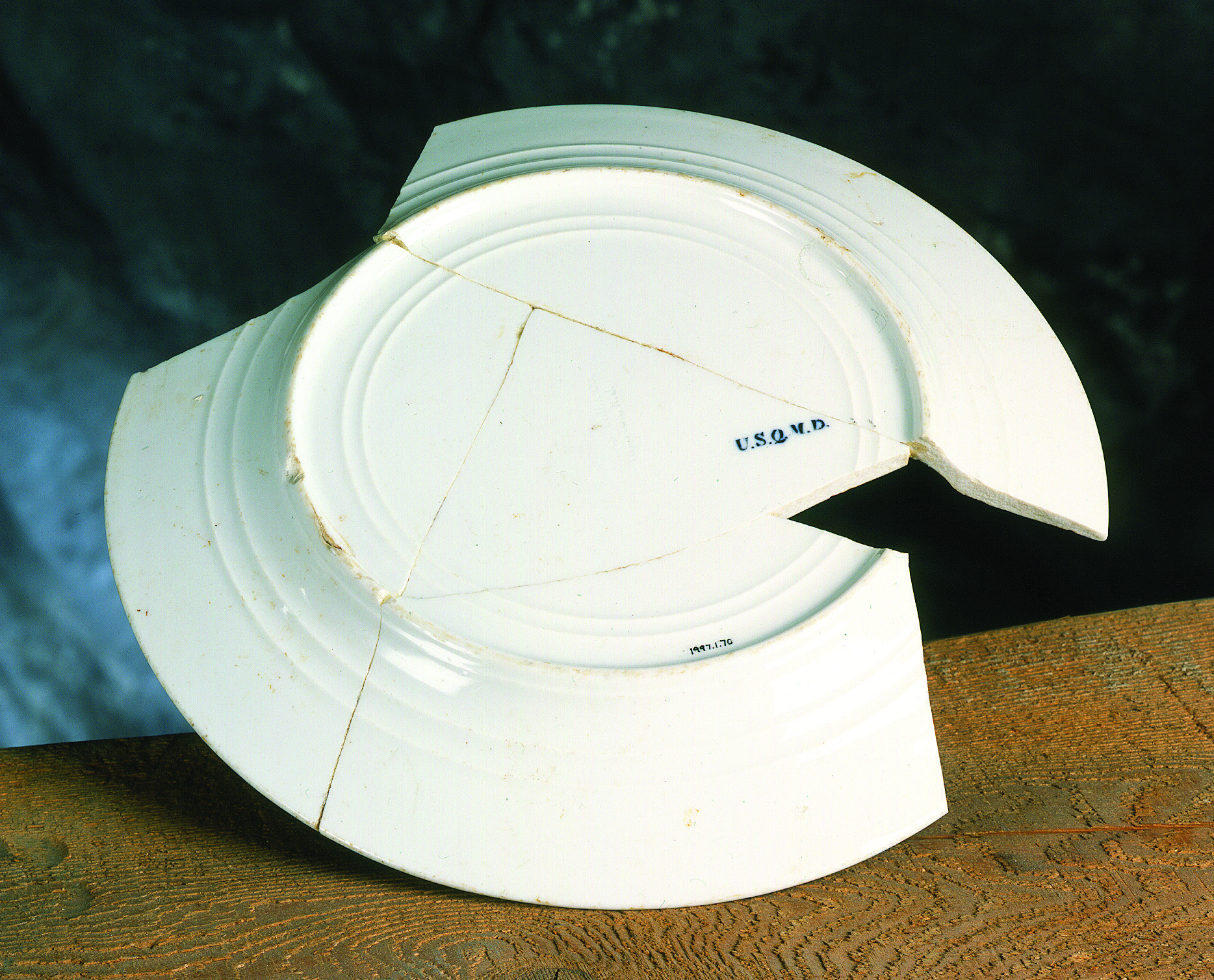
This plain white plate is mainly of interest due to the initials stamped on the back. U.S.Q.M.D. stands for United States Quartermaster Department. The Trenton China Company, of Trenton, New
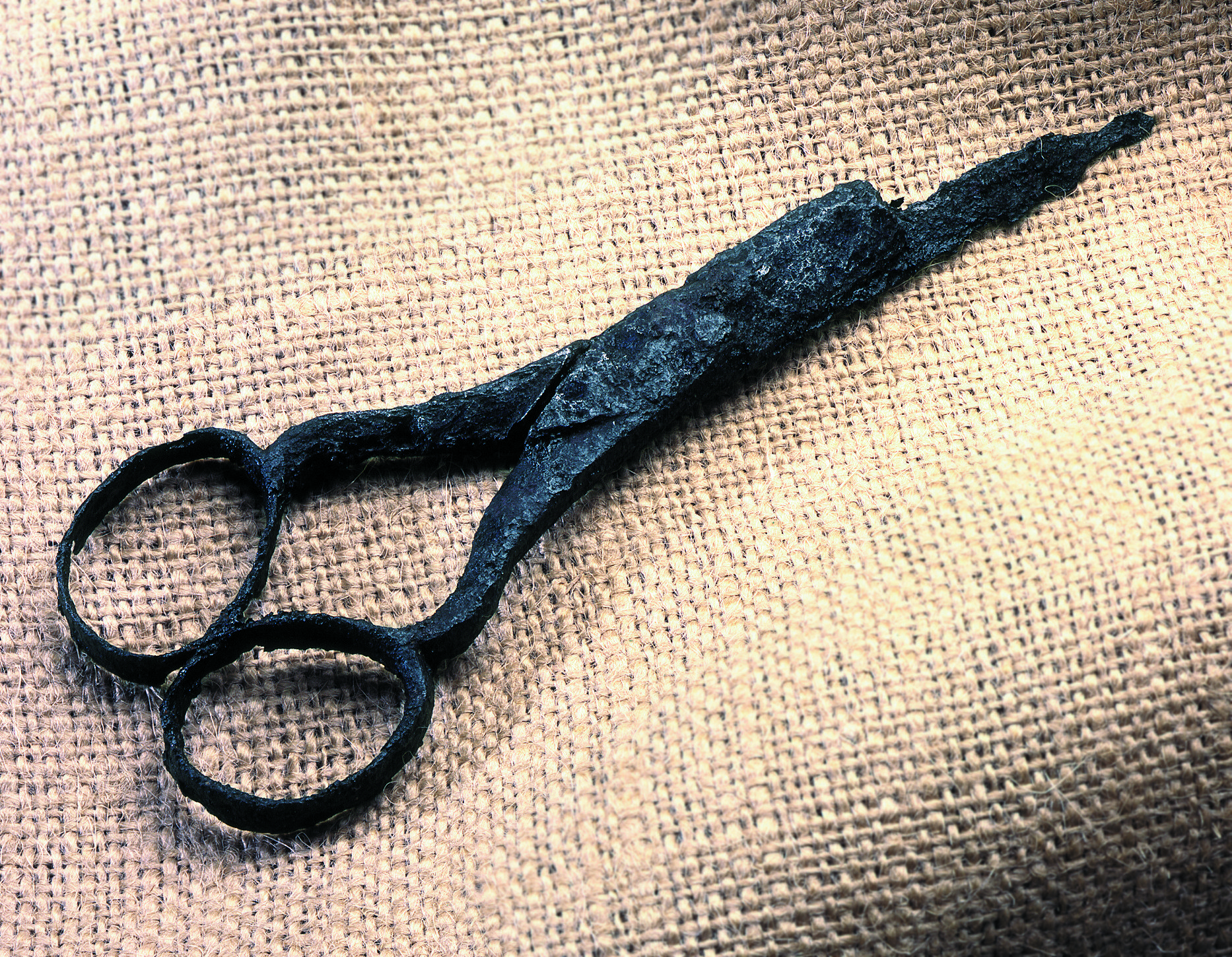
Scissors are frequently associated with cutting cloth prior to sewing, and so were a common item in the fur trade along with textiles. This particular pair was found in an