





Snowshoes: What a great idea!
But, where did the original idea for snowshoes come from?
If the French explorers and missionaries first learned about the advantages of snowshoes from the Native Americans, how did Native Americans come up with the idea of making and wearing snowshoes in the first place?
We don’t know the complete answer to that question, but it’s probably safe to assume that they got the idea from nature. Some of the wild animals that shared the north woods with these native people have physical adaptations which make it easier for those animals to move through deep snow.
 When you compare the feet of a cottontail rabbit to those of a snowshoe hare, you understand why the cottontail doesn’t live nearly as far north as the hare. Comparing the feet of a bobcat to a lynx leads to a similar understanding of why lynx can live a thousand miles farther north than bobcats. The snowshoe hare and the lynx have much large feet than their cousins. Their large feet prevent them from sinking as deep into the snow as animals with small feet would.
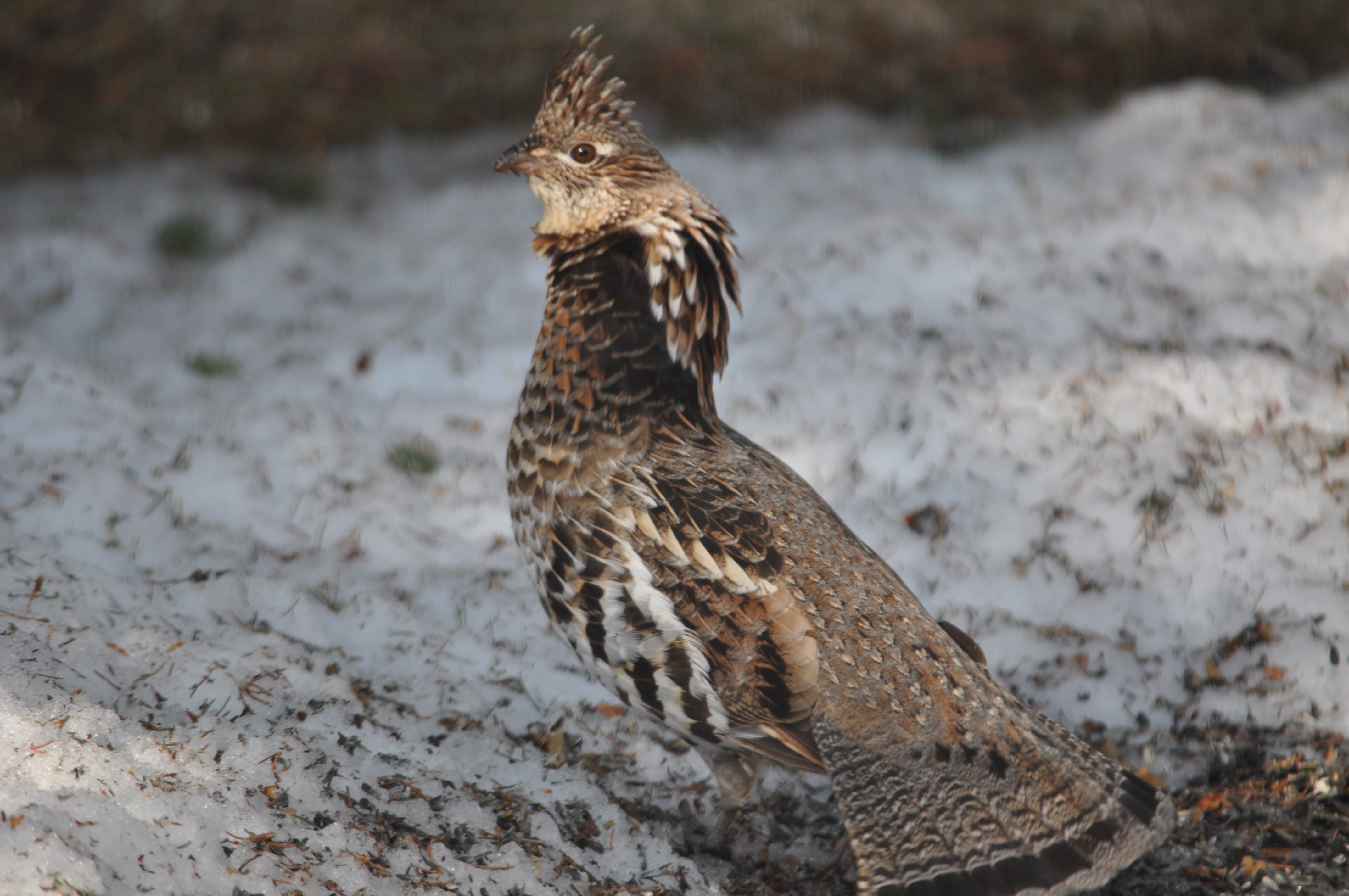
If you spend time snowshoeing in northern Michigan, you are likely to come across tracks made by one of the most common game birds of the north woods, the ruffed grouse. Unlike most birds, ruffed grouse spend much more time walking through their habitat than flying through it. It is also a bird that doesn’t migrate south to avoid the cold and snow, but rather stays put and adapts to the winter season.
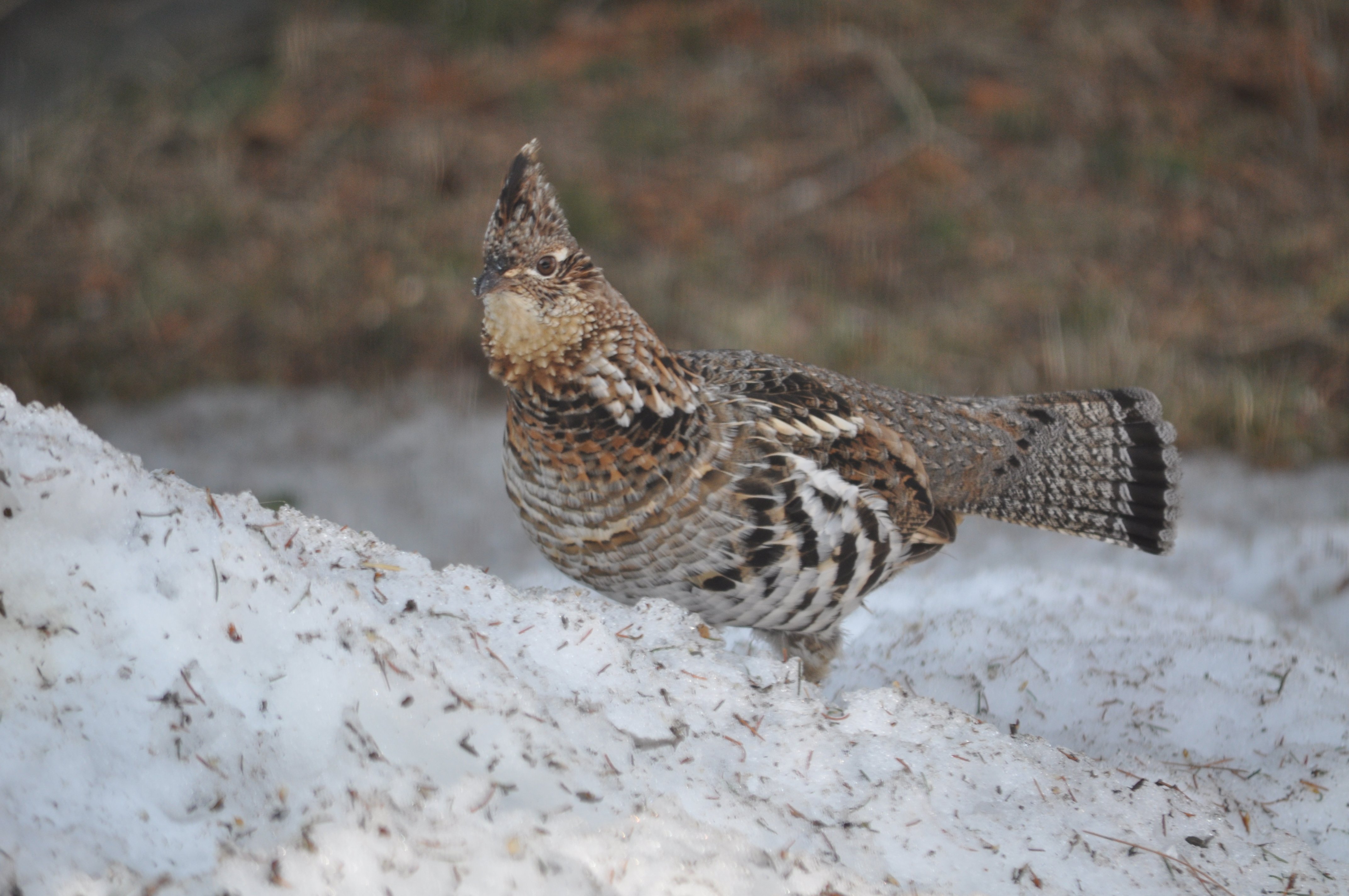 It is harder to find grouse tracks in the summer, but suppose you found some on a muddy section of trail during June or July. They would look very different from the tracks that same bird made in the snow of January or February. It’s because their feet change with the seasons.
Every fall, ruffed grouse grow comb-like projections from the sides of their toes, basically doubling the surface area of their feet, which makes it easier to walk on top of the snow. When spring arrives these projections fall off, leaving the grouse with their skinny summer toes.
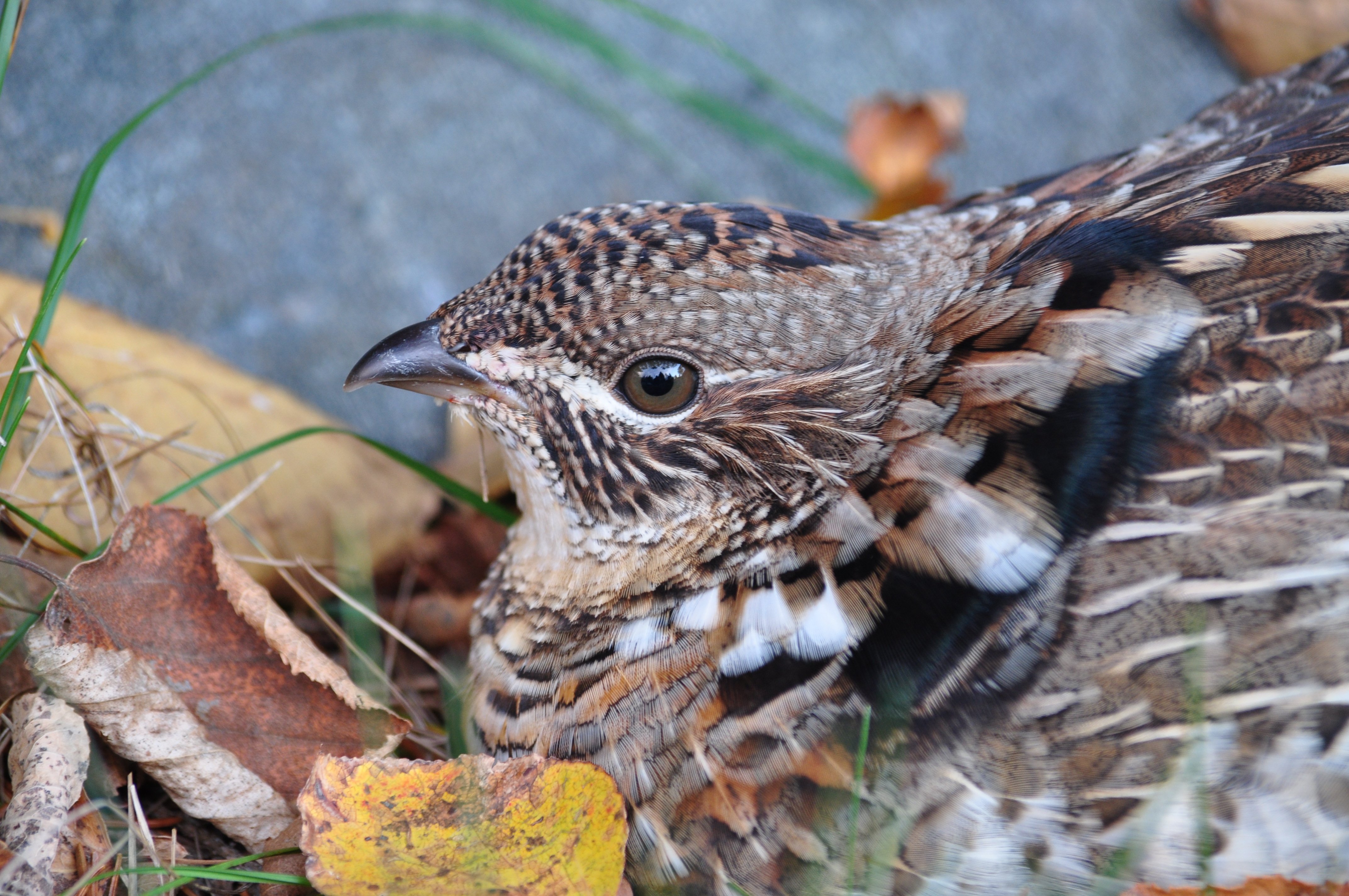 It is certainly possible that Native American hunters observed this seasonal change in the feet of grouse. They may have concluded that if larger feet helped this bird walk on the surface of deep snow, then larger feet could help the hunter as he pursued grouse and other game through the north woods in winter. The first snowshoes made by these hunters may have simply been two small branches from a cedar tree tied to their fur lined moccasins. Overtime, they improved the design and later shared it with the European explorers and missionaries.
So the next time you strap on your pair of modern snowshoes, for a walk in the north woods, keep an eye open for some of the birds and mammals that may have first shown us how to float on snow.