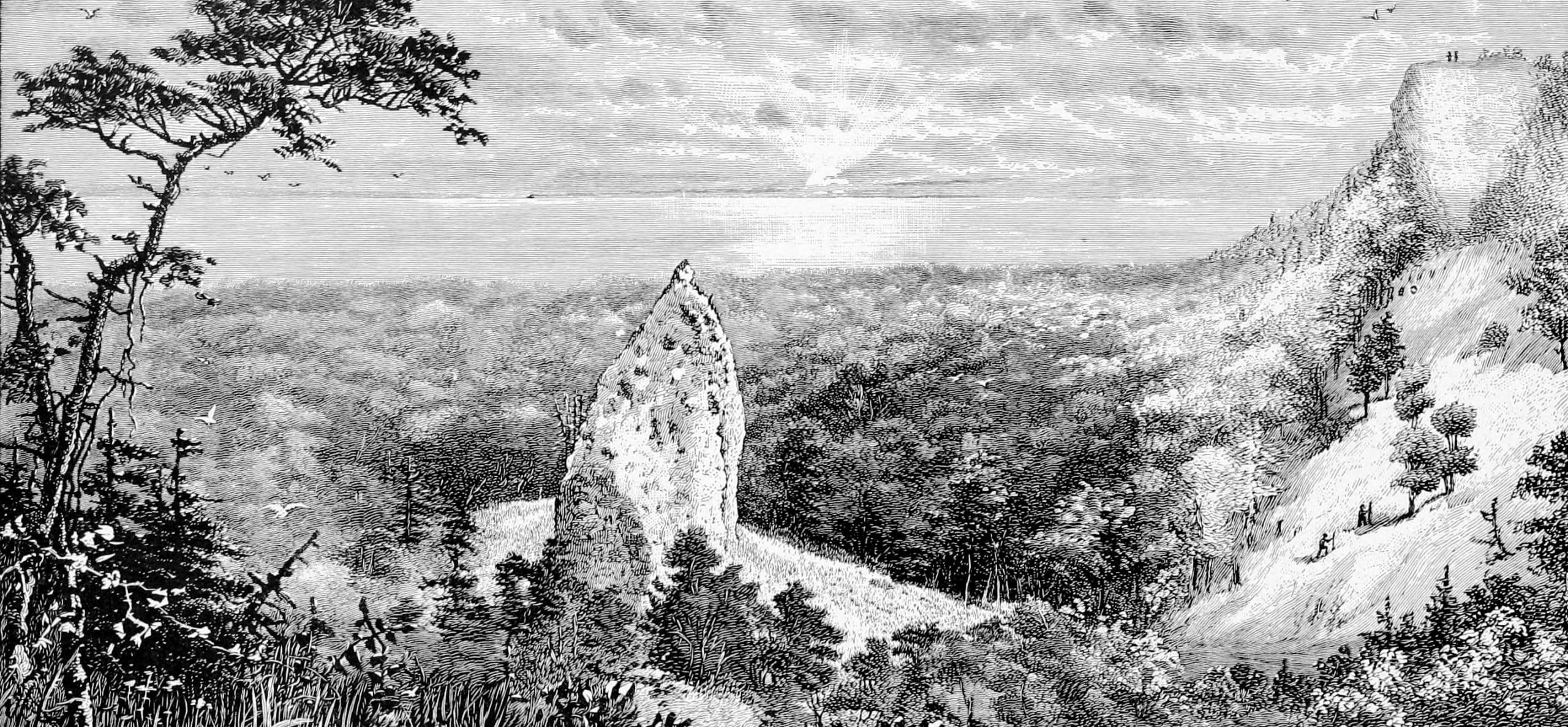
Sugar Loaf
Long before tourism was established as a major driver on Mackinac Island, Sugar Loaf was a popular attraction. Learn more about this majestic natural curiosity.

Long before tourism was established as a major driver on Mackinac Island, Sugar Loaf was a popular attraction. Learn more about this majestic natural curiosity.
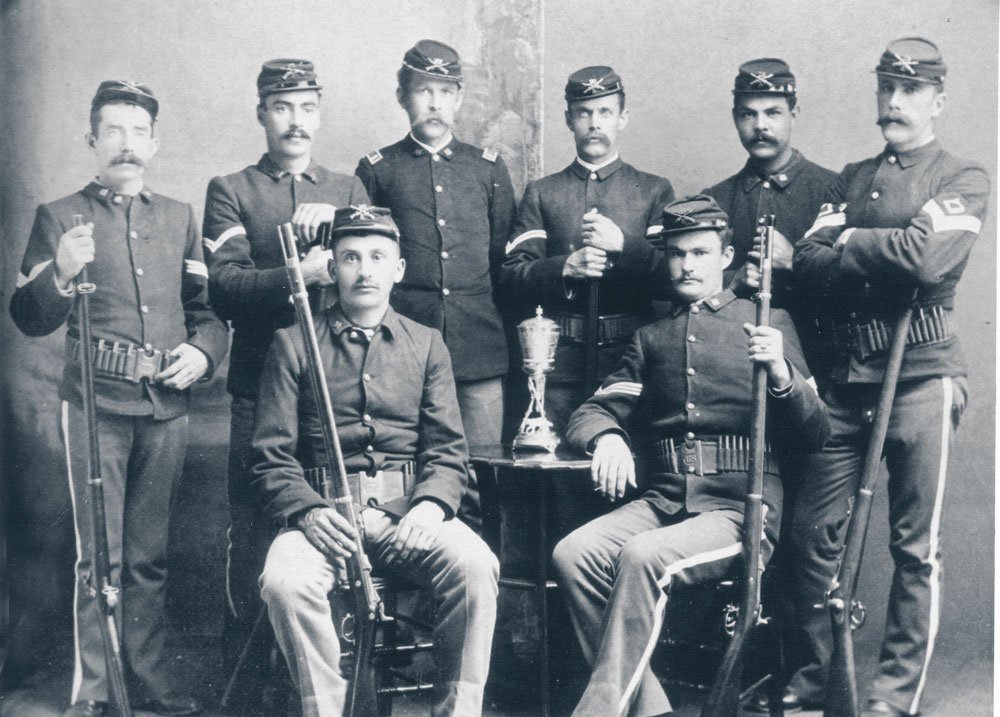
The 1880s represent an interesting time in US Army history, as the “old army” of the Civil War was meeting the emerging “new army” more recognizable today. This can be seen in the men who served as officers at Fort Mackinac.
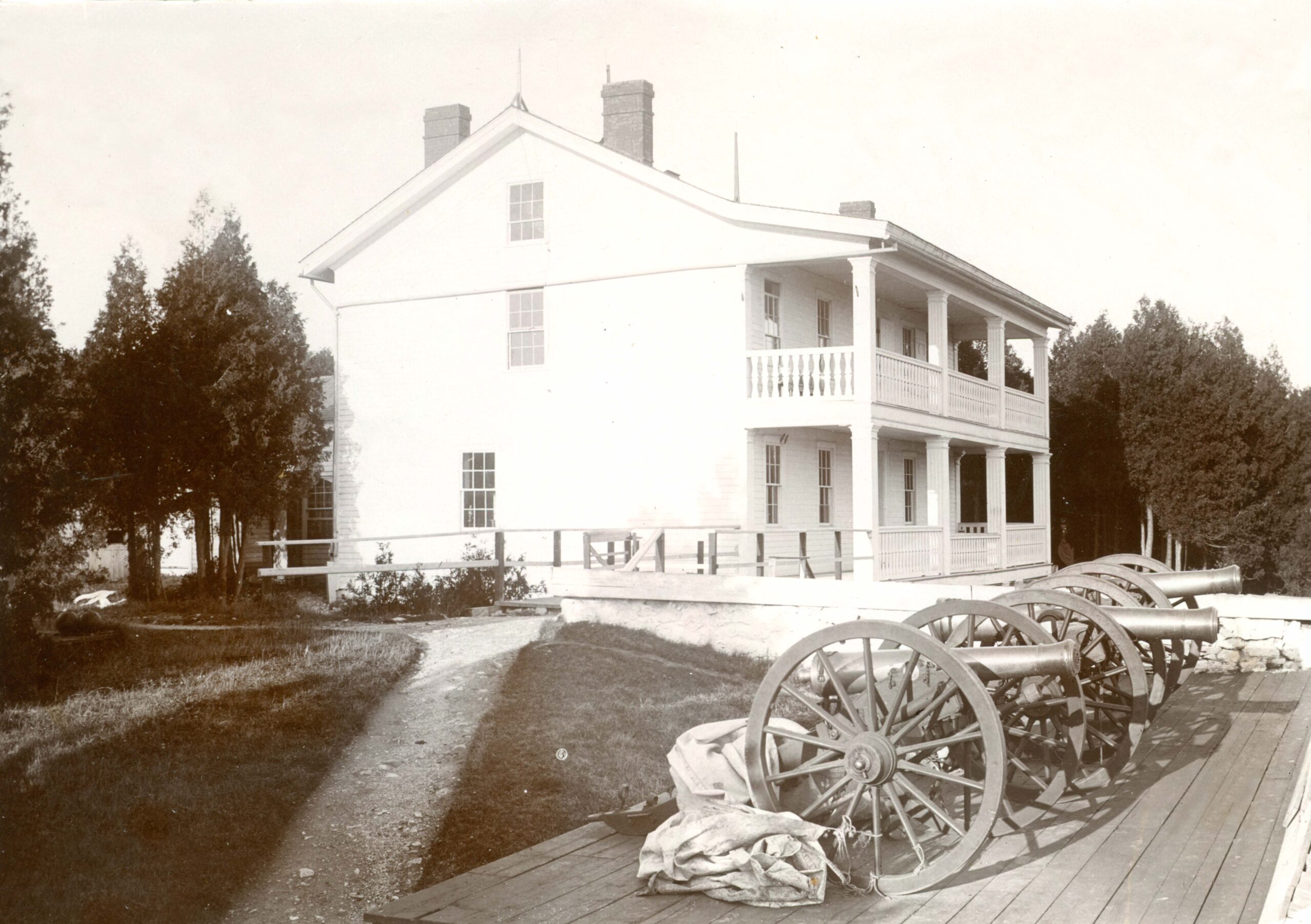
While the Hospital Corps only came into being toward the very end of Fort Mackinac’s time as an active military post, it demonstrates another way Fort Mackinac experienced the changing times of the army.
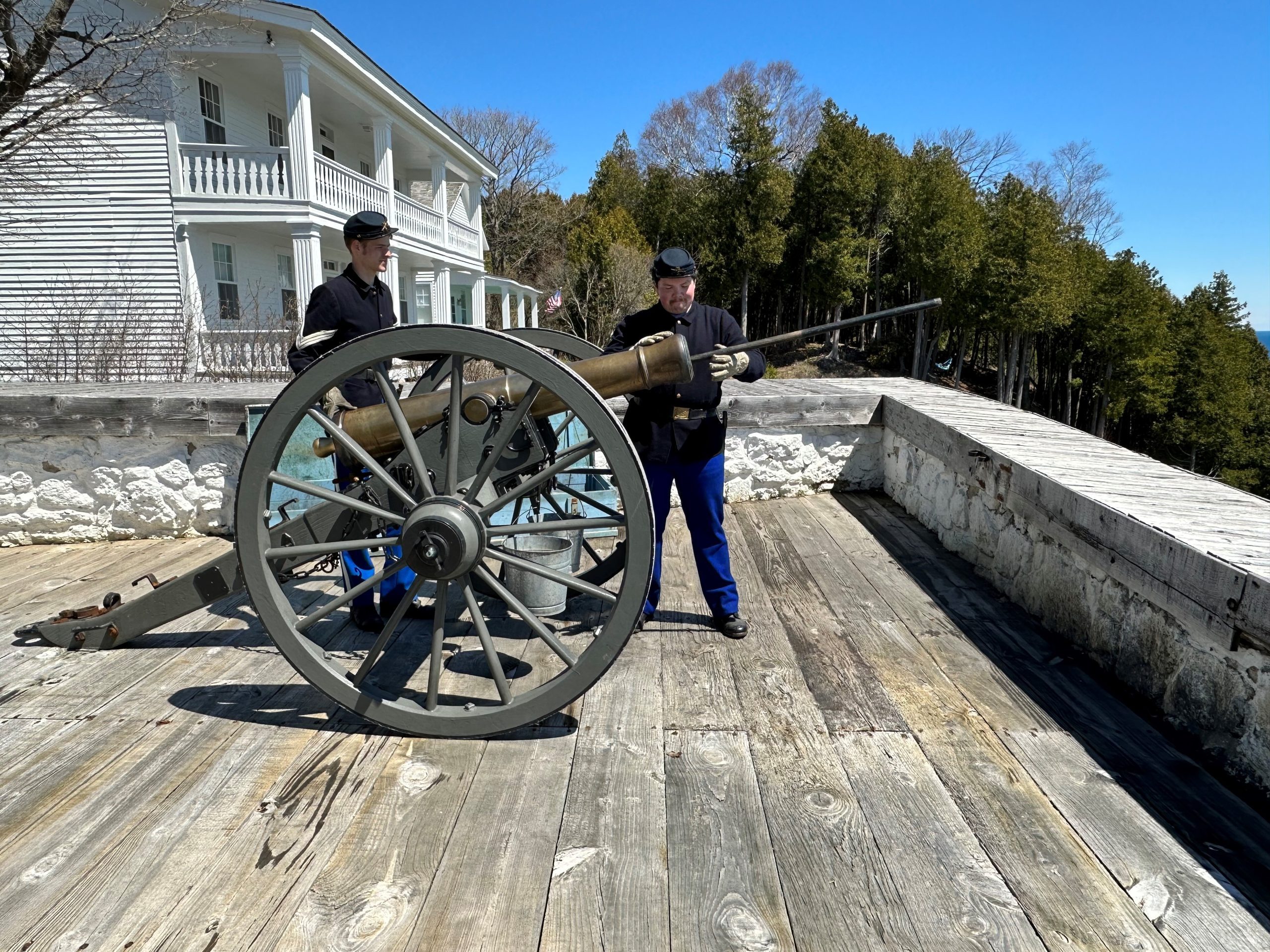
One of the highlights of any visit to Fort Mackinac is interacting with our interpretive staff. Take a little peek behind the scenes on what it takes to open a site like Fort Mackinac and work here as an interpreter.
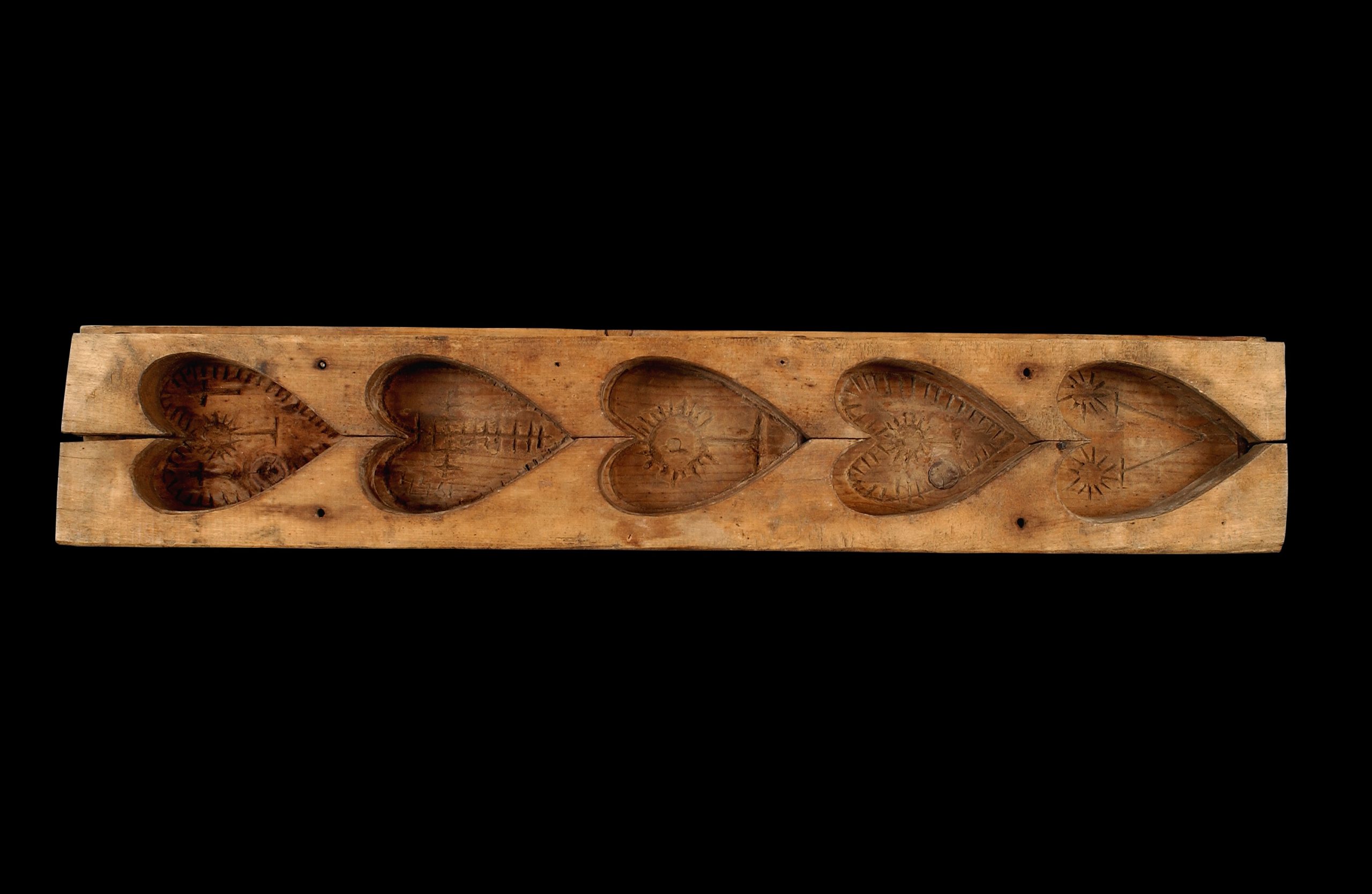
Maple sugaring has finished for the 2023 season. While most sugaring was done nearby, we do know that at least a few maples were tapped on Mackinac Island in the 1880s.
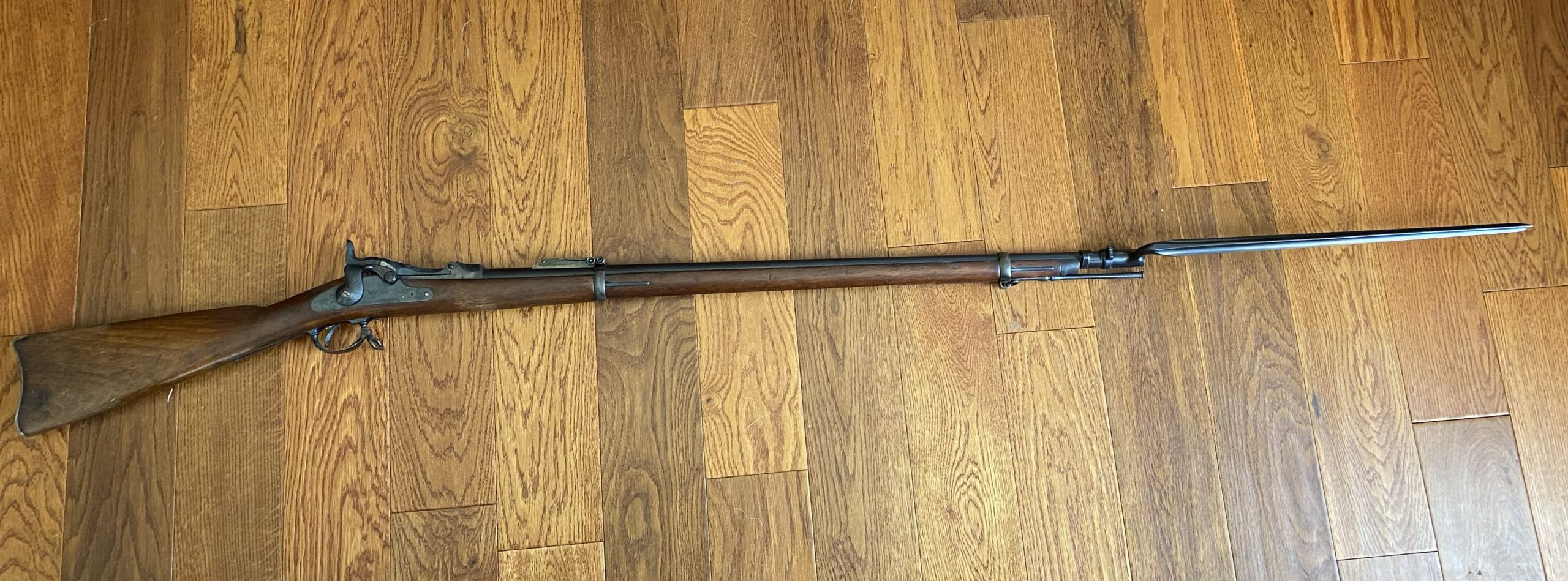
Throughout Fort Mackinac’s military history, British and American soldiers were issued bayonets to complement their shoulder arms. Learn a bit more about them here:
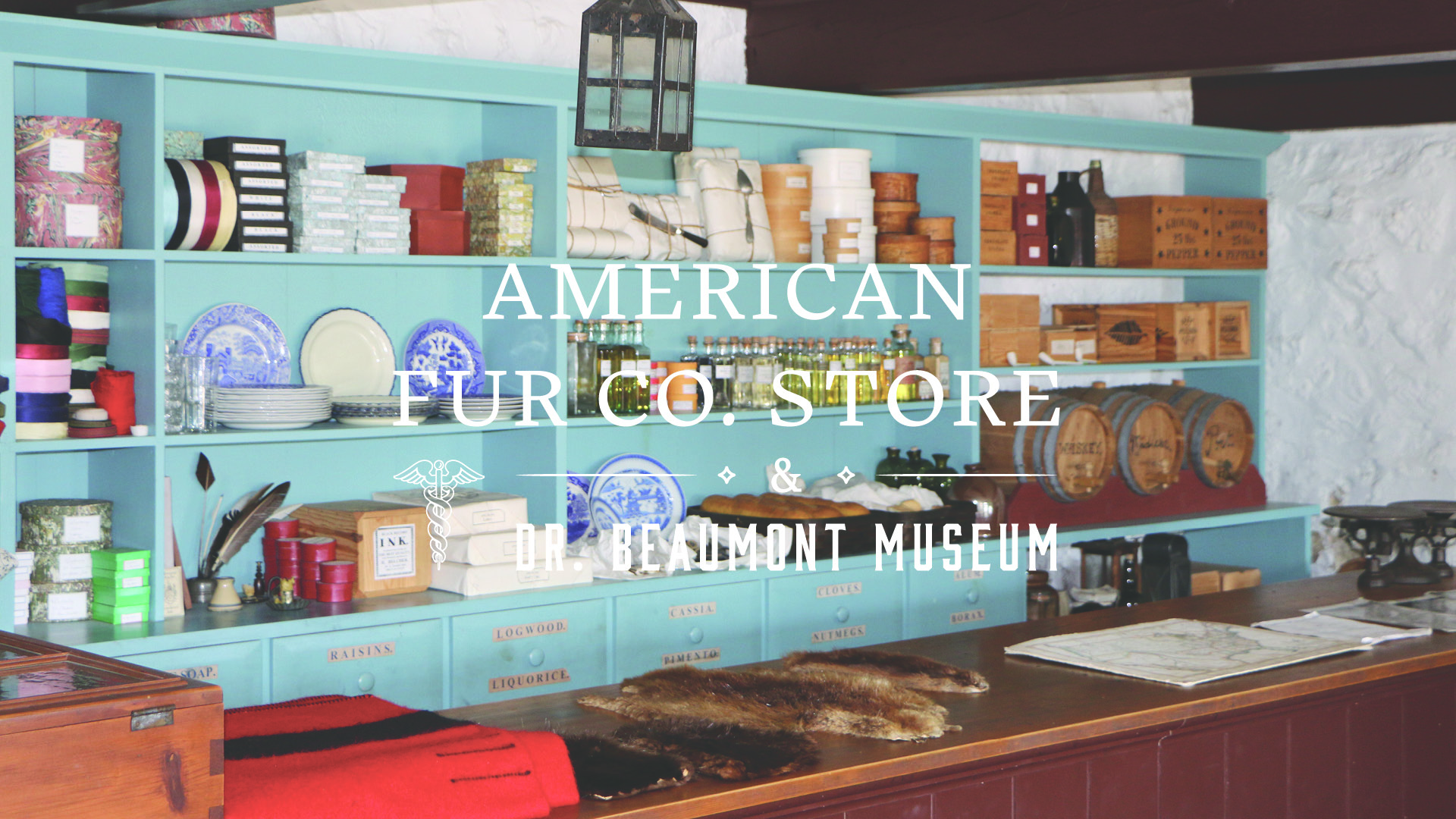
On June 6, 1822, a shot rang out inside the American Fur Company’s retail store located on Mackinac Island’s Market Street. When the smoke cleared, Alexis St. Martin, lay bleeding on the floor…
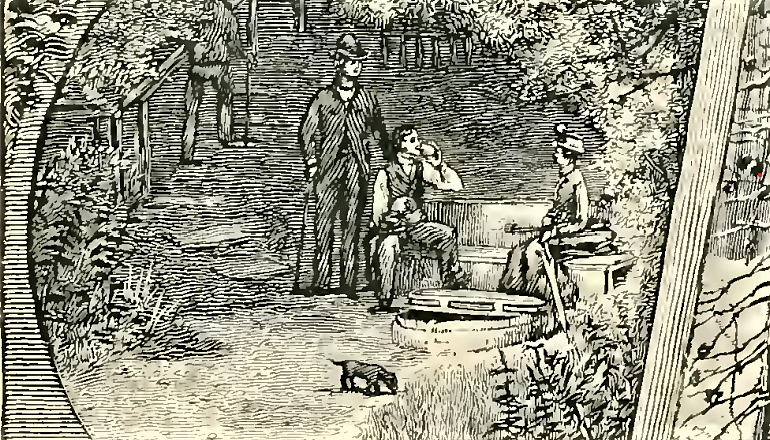
Mackinac Island is blessed with a number of natural springs which percolate through limestone bedrock. Some, like Dwightwood Spring and Croghan Water, are well known. Others not as much. Learn more about them here.
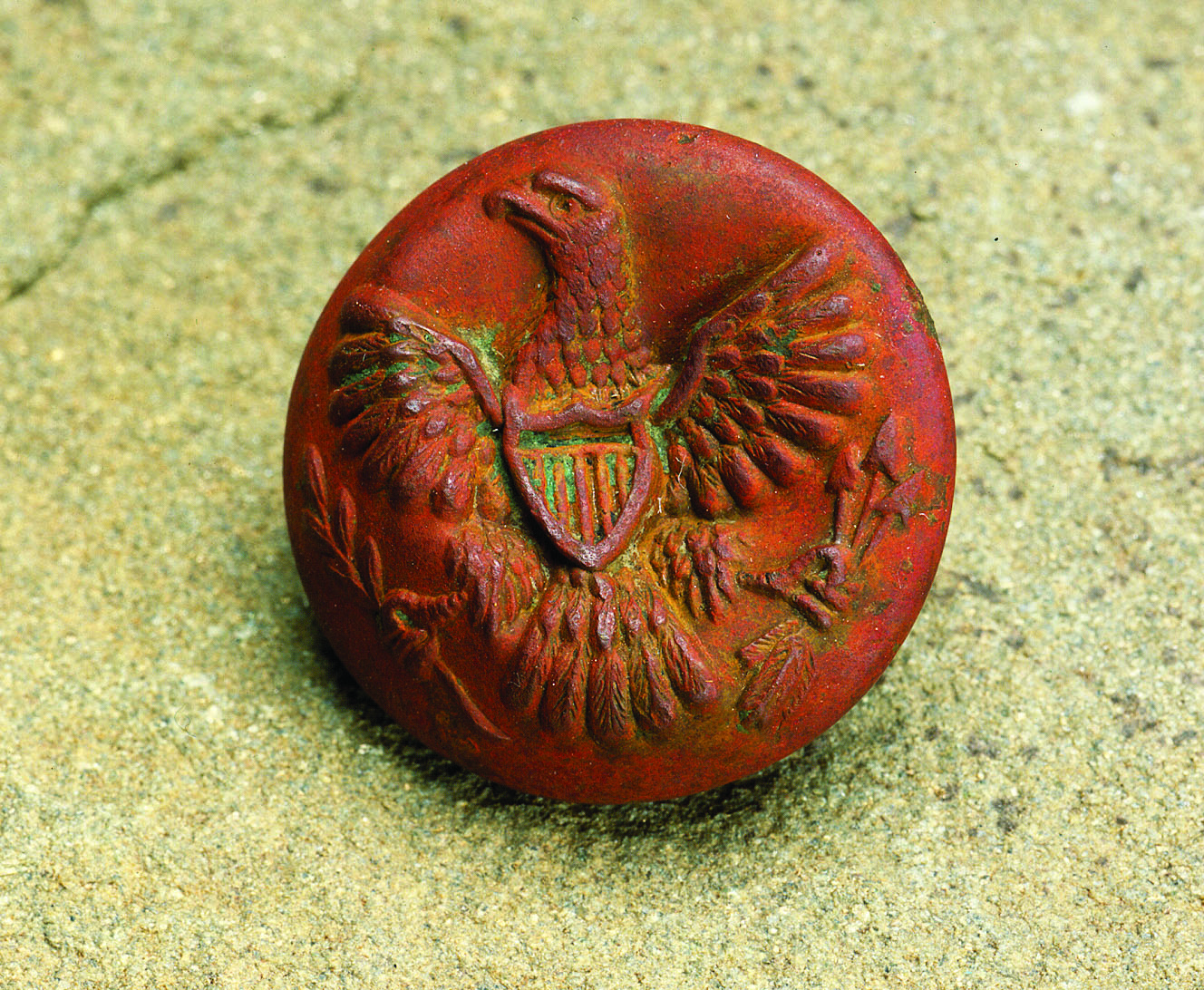
One of the “missing” buildings at Fort Mackinac is the blacksmith shop.