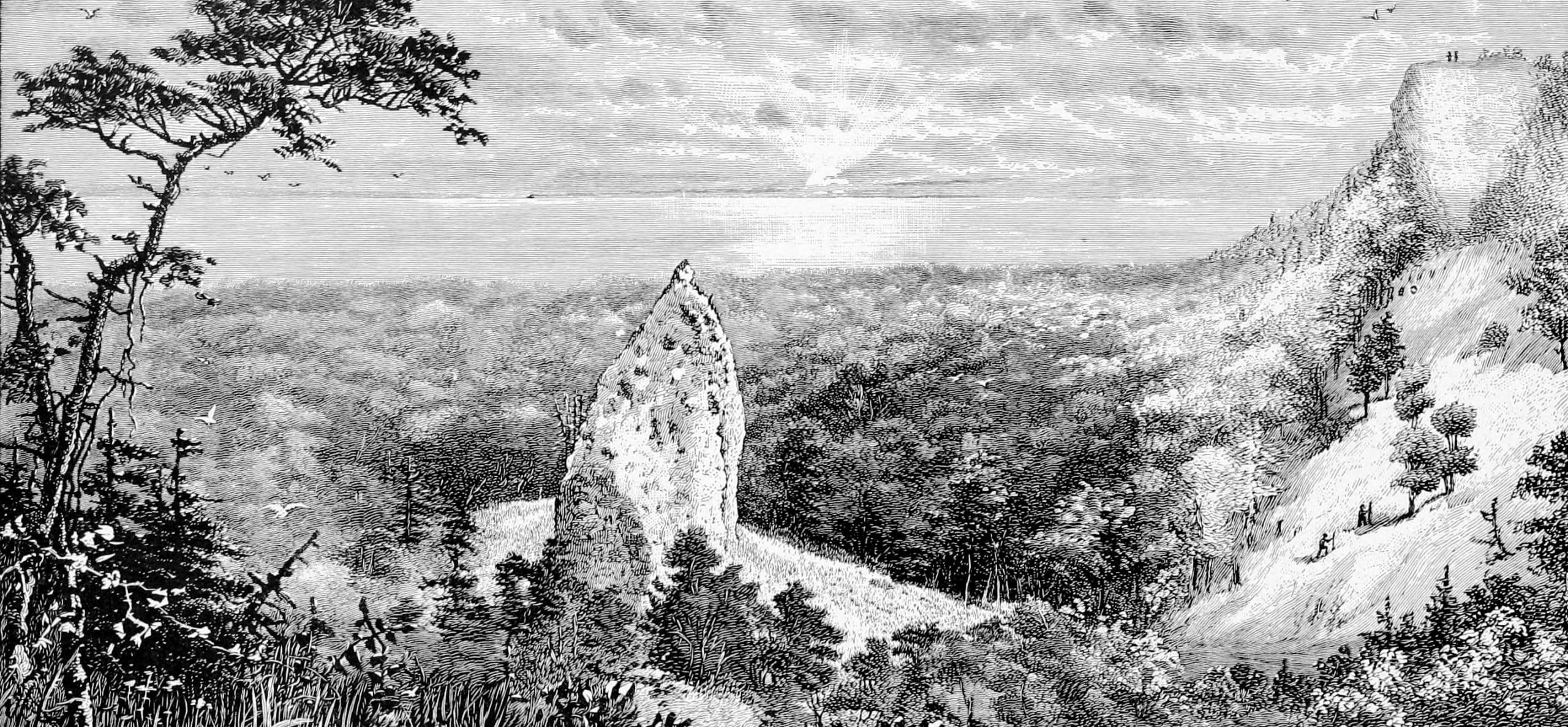
Sugar Loaf
Long before tourism was established as a major driver on Mackinac Island, Sugar Loaf was a popular attraction. Learn more about this majestic natural curiosity.

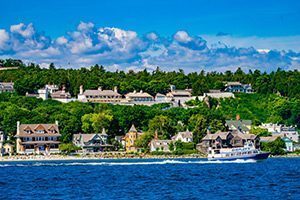




Long before tourism was established as a major driver on Mackinac Island, Sugar Loaf was a popular attraction. Learn more about this majestic natural curiosity.
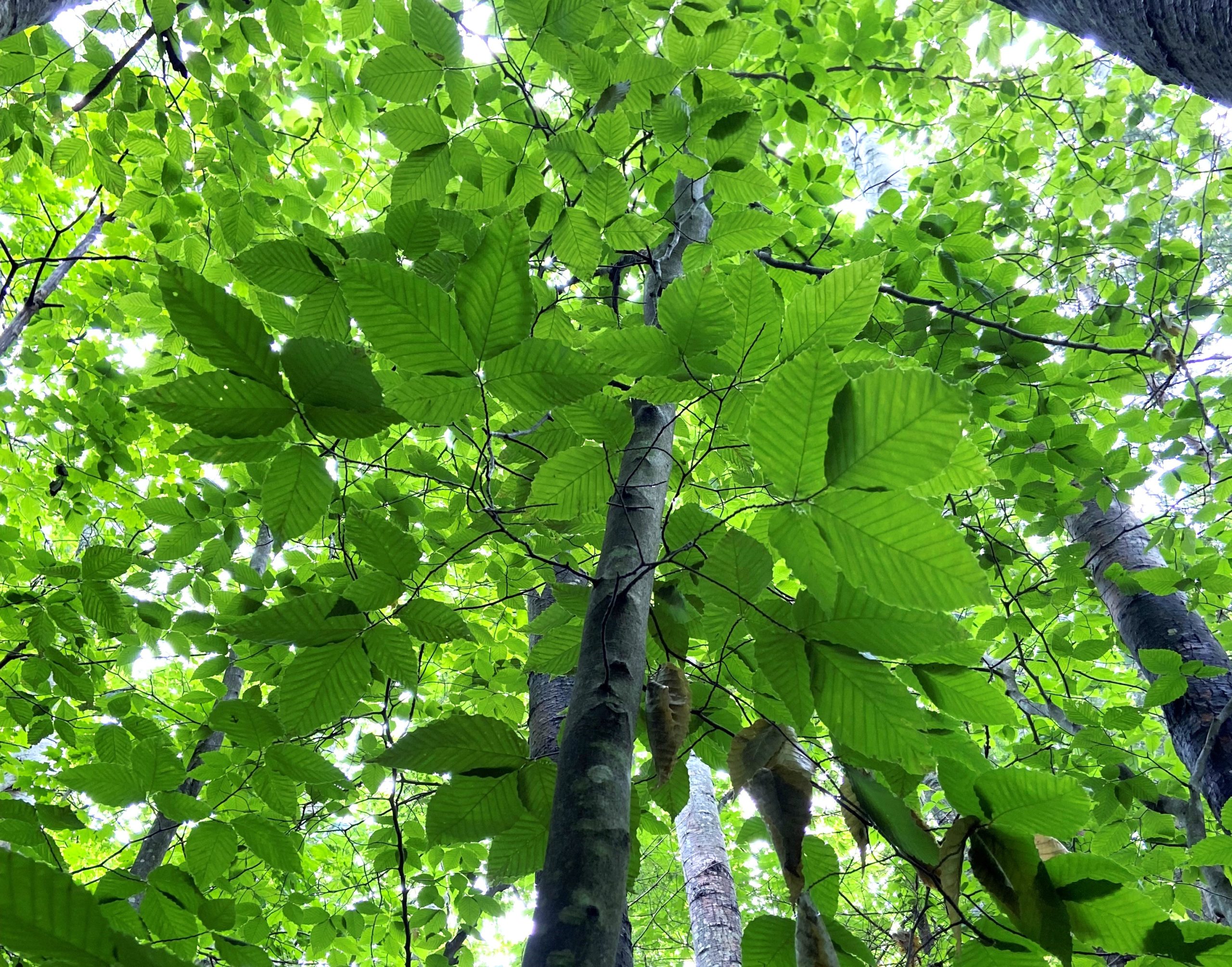
Over the past two centuries, dozens of amateur and professional botanists have documented the rich natural history of Mackinac Island. To date, about 600 species of wild plants have been identified on Mackinac Island, including 270 wildflowers. Read on to learn more.
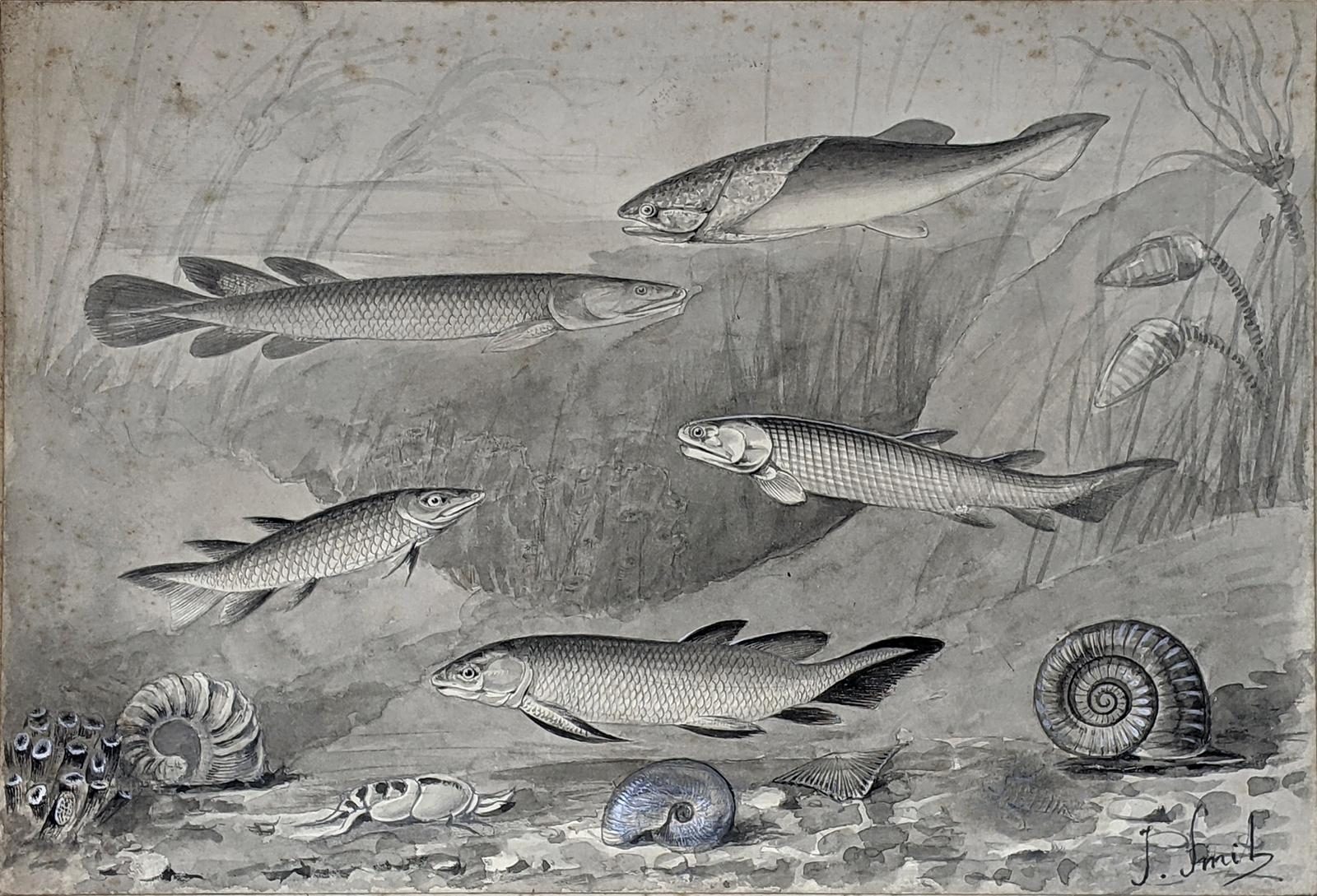
When you visit the Straits of Mackinac this summer, we invite you to slow down (or even sit down) and ponder the earth beneath your feet. You never know – you may reveal evidence of ancient life which thrived in very different waters, nearly 400 million years ago!
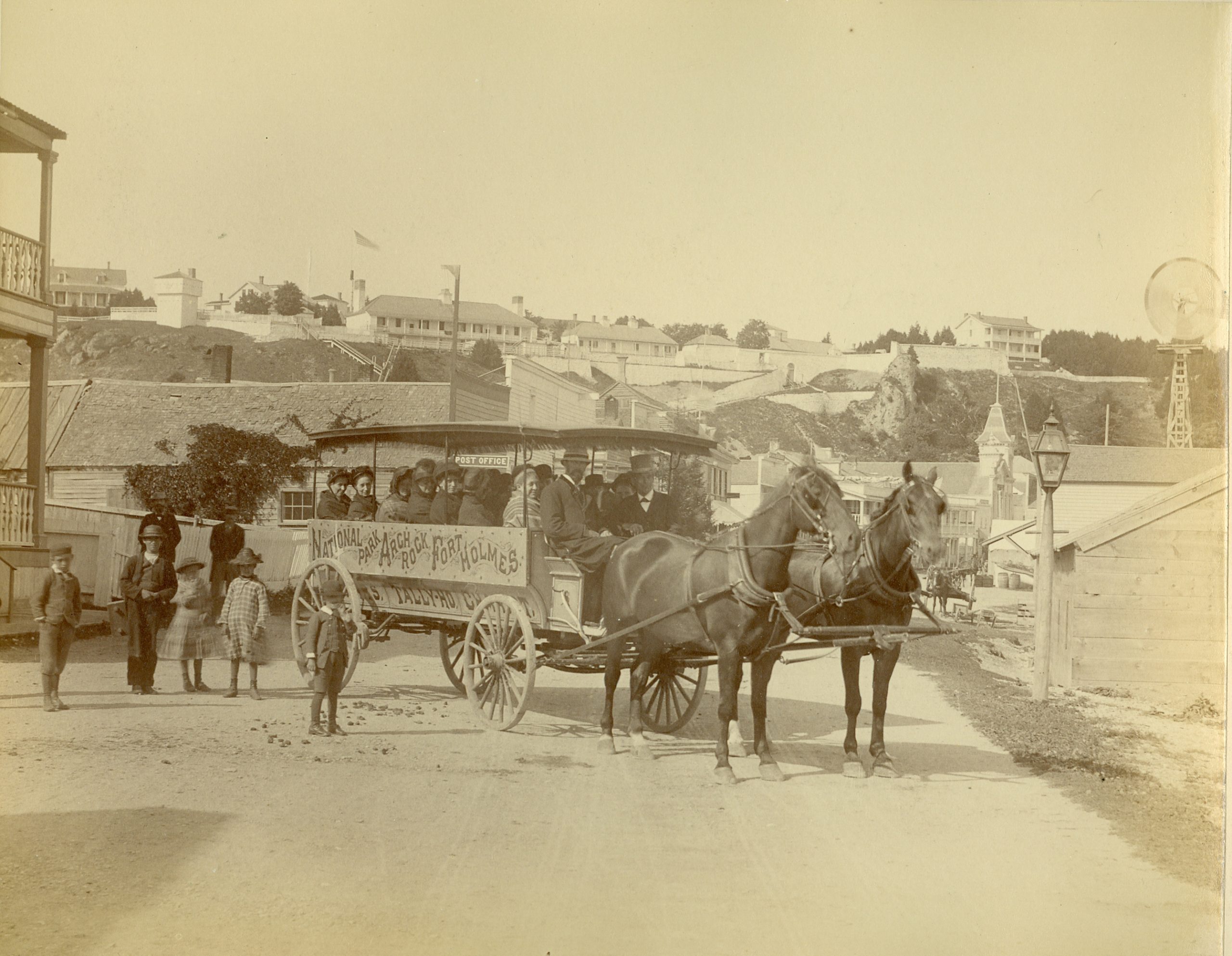
As the calendar flips to 2025, the Mackinac State Historic Parks team is hard at work protecting, preserving, and presenting the rich history of the Straits of Mackinac by creating new exhibits, galleries, and tours, improving visitor experiences, celebrating a major anniversary, expanding our collections area and library, and finishing major infrastructure improvements on Mackinac Island.
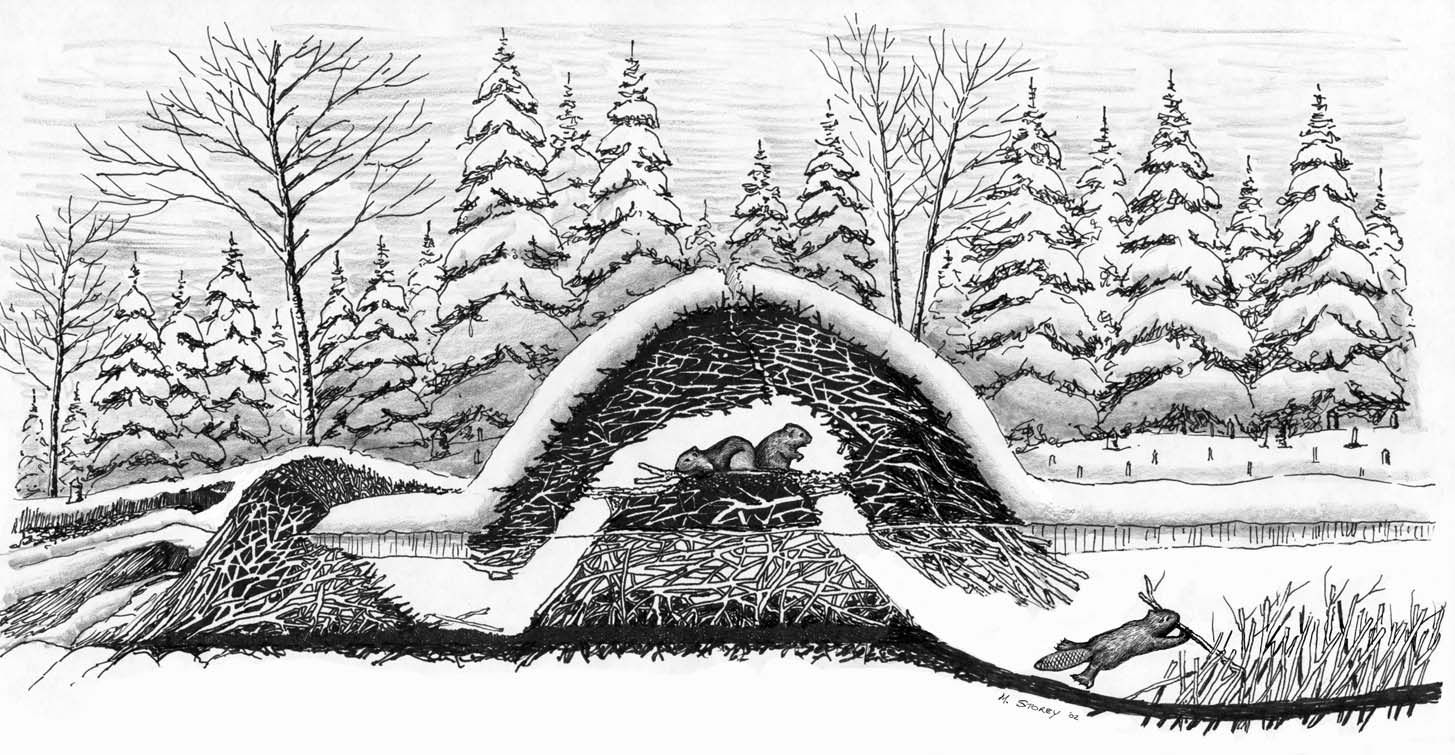
As we prepare for the first official day of winter, let’s look at the amazing adaptations animals use to get ready for the long winter.
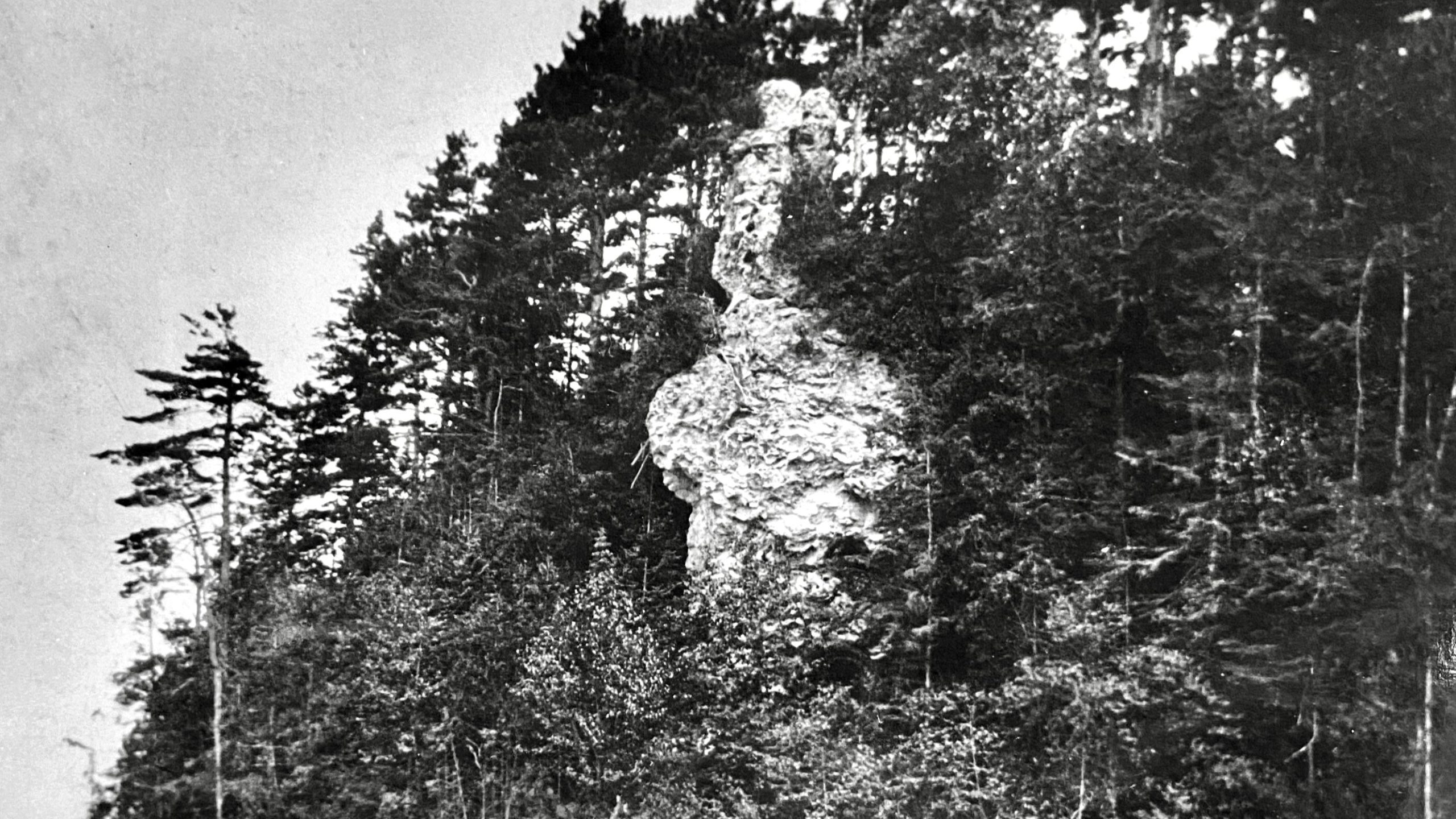
Our Park Naturalist, Kyle, is ready to set the story straight: Chimney Rock and Sunset Rock are not one and the same. Let’s revisit Chimney Rock:
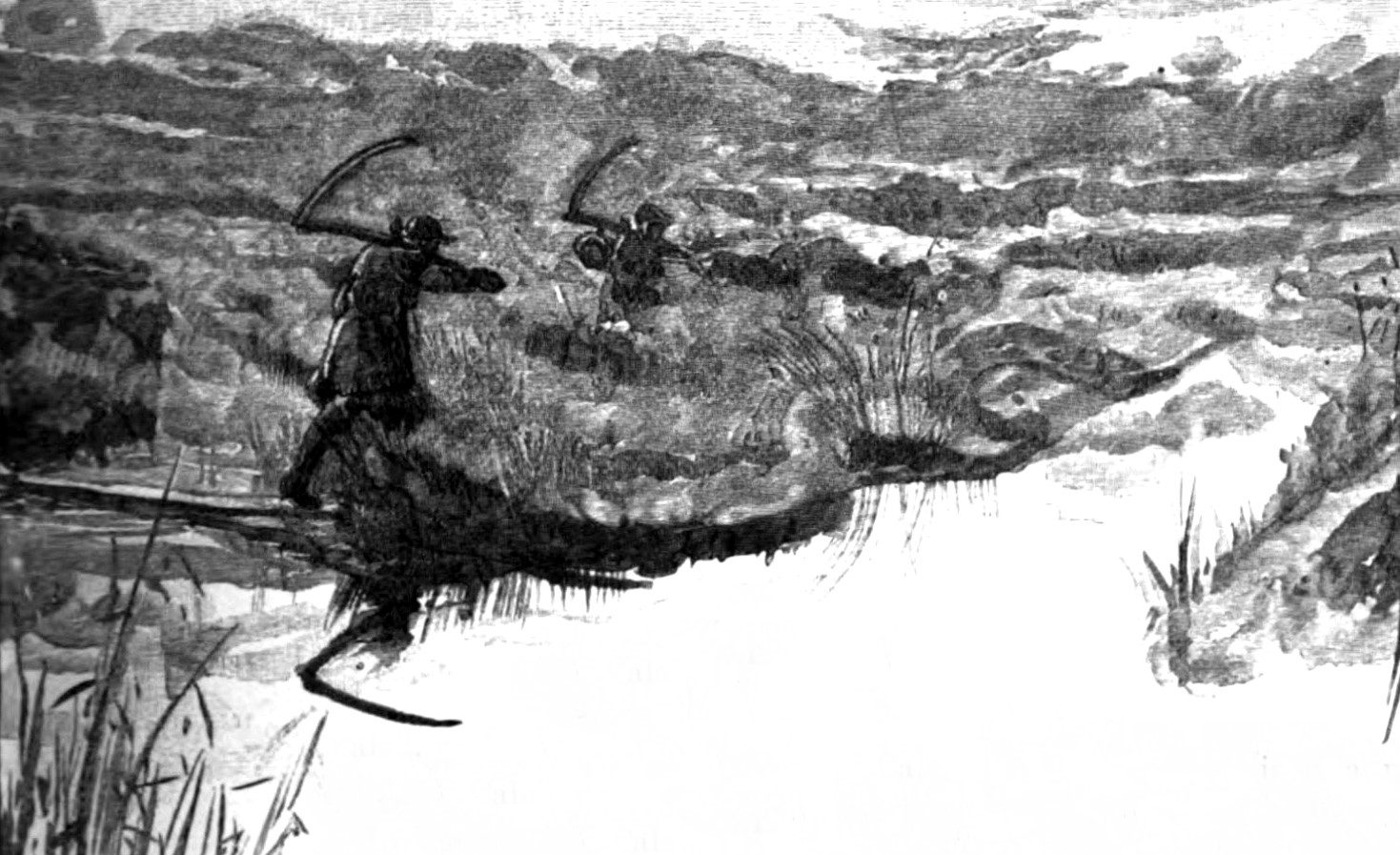
More than 240 years have passed since wooden sloops brought wild hay to the King’s Cattle on Mackinac Island. During your next visit, scan the watery horizon and imagine the scene from a bygone era. Perhaps you’ll glimpse a broad, white sail billowing in the wind. Or listen closely, and just maybe you’ll hear soft, clanking cowbells as supper makes its way across the Straits of Mackinac.
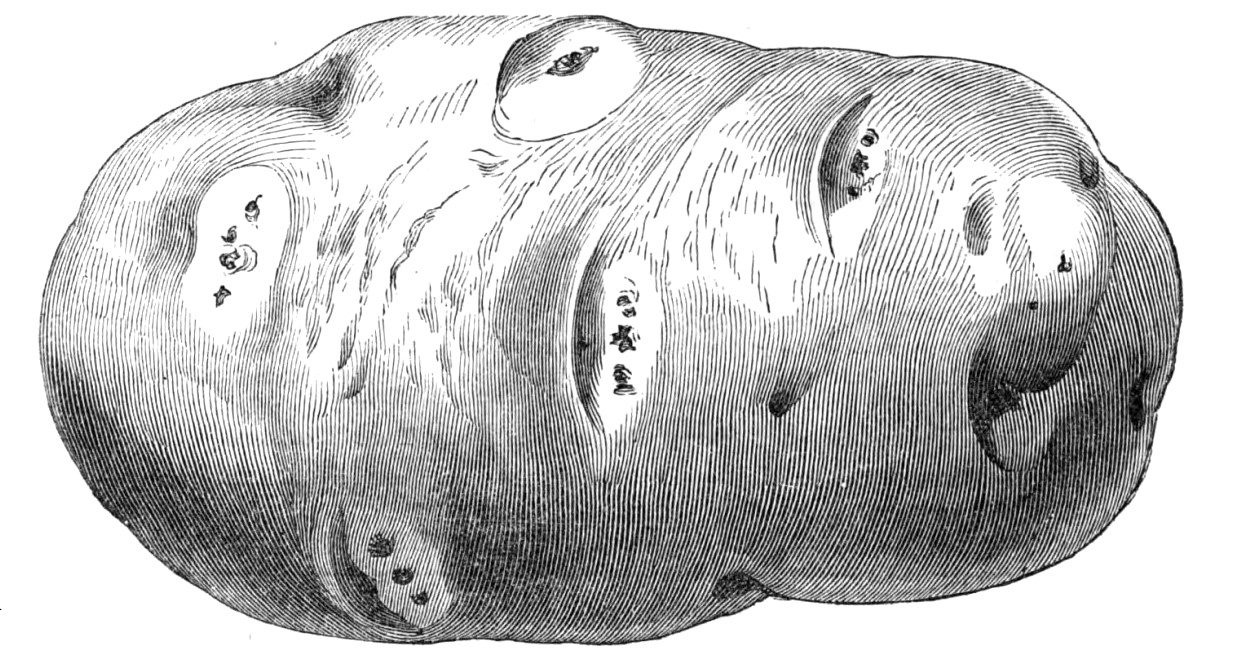
When you think of Mackinac, you might think of fudge, or no cars, or horses, or the fort. But potatoes? “The best potatoes in the world grow at Mackinac.” Or at least they did. Read on!
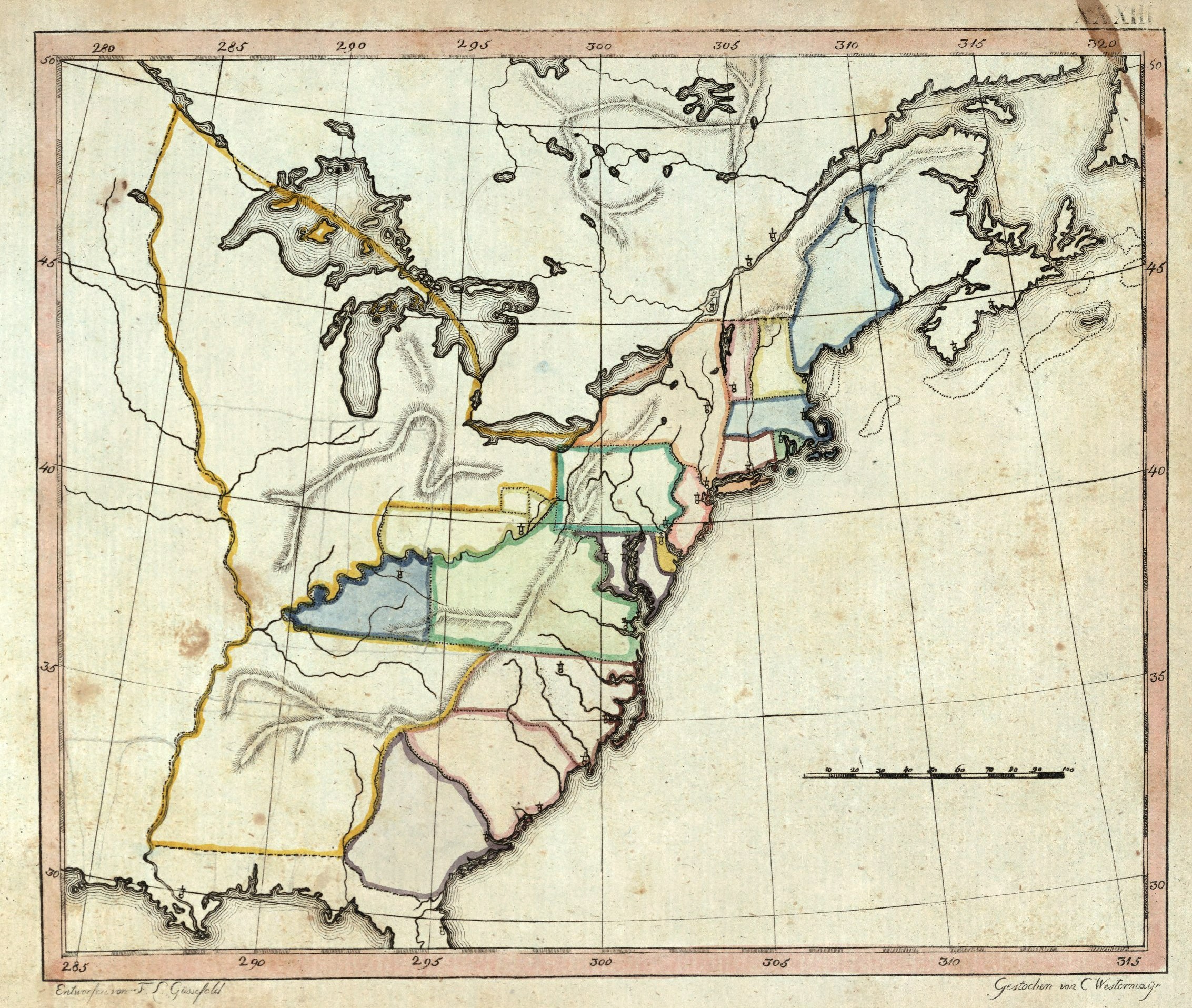
In 1798 an article detailed plans for an exciting new museum, a “cabinet of curiosities,” located in Deerfield, Massachusetts. Which Mackinac wonders would you pick to display in this “infant museum” of early America? How about nuts and wild rice?