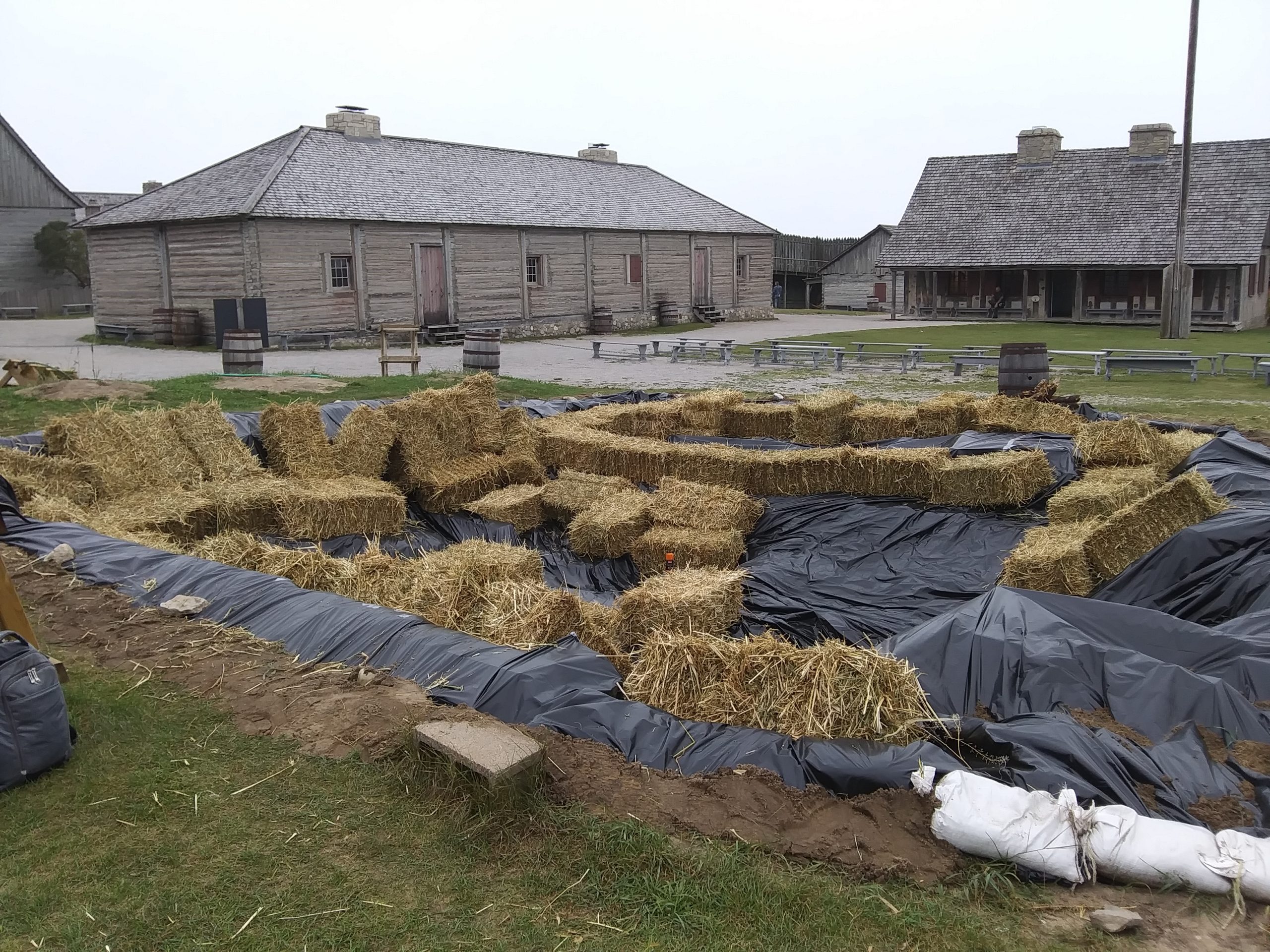
2023 Archaeology Field Season Wrap-Up
The 65th field season of archaeology has wrapped up at Colonial Michilimackinac.

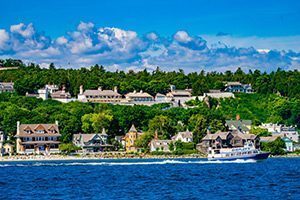
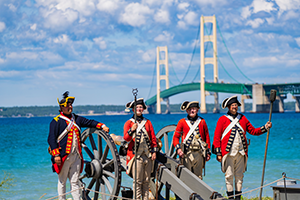



The 65th field season of archaeology has wrapped up at Colonial Michilimackinac.
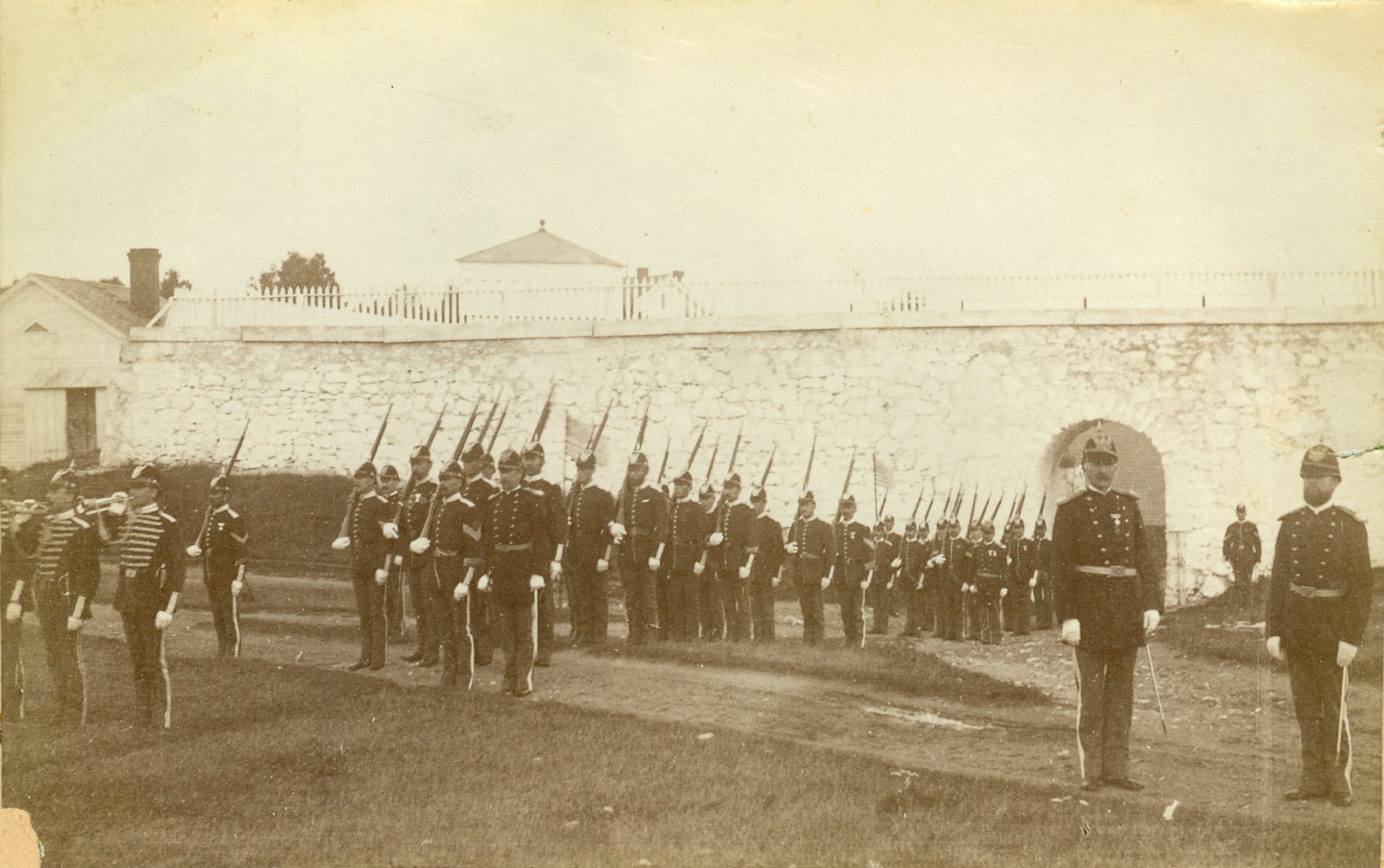
Fort Mackinac benefits from having several items in our collection – a physical representation that our guests see daily that we can translate to the present day. Take hats worn by Fort Mackinac soldiers, for instance.
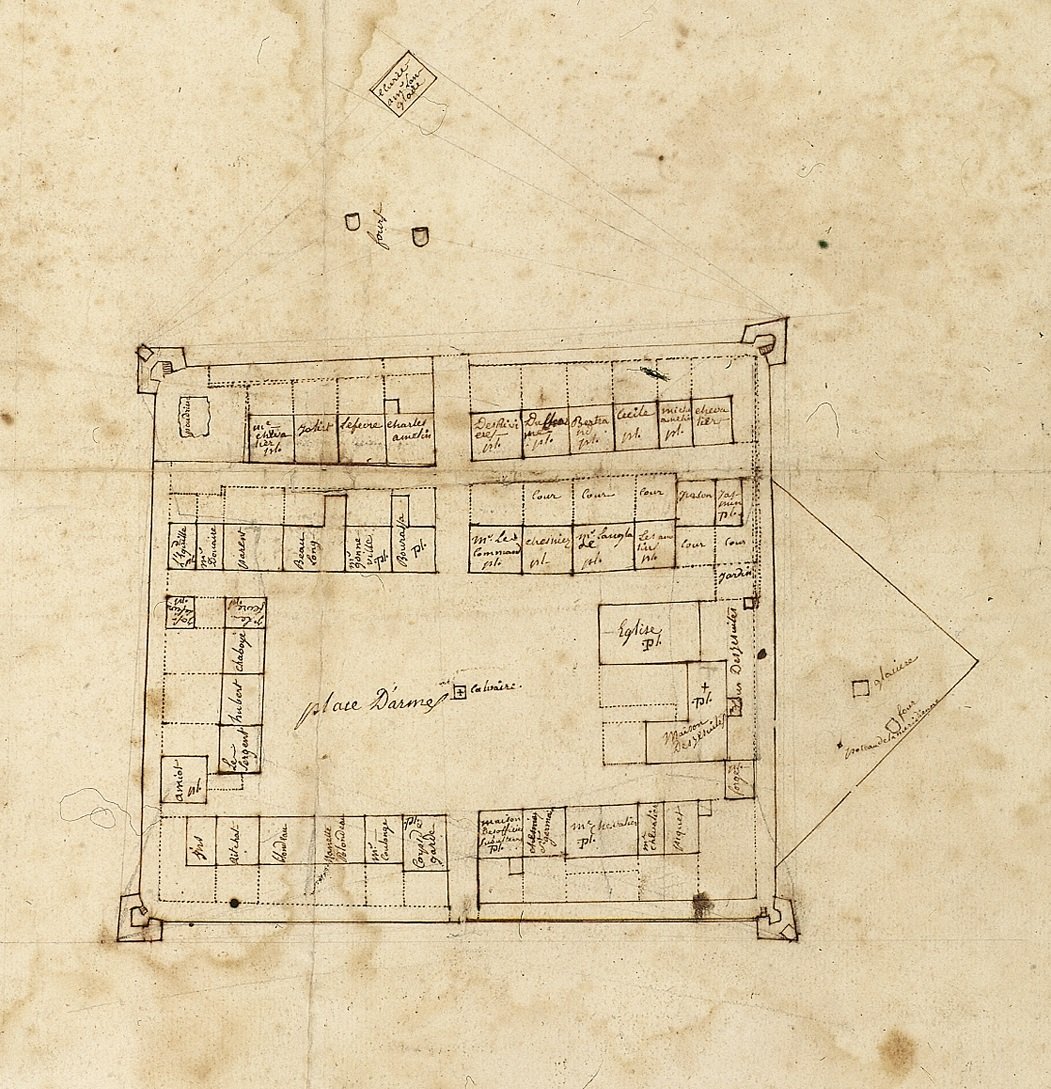
We’ve long interpreted Michilimackinac in the 1770s, toward the end of the British period of occupation. However, Michilimackinac was occupied by the French for more than 40 years. Here’s a story about its rocky beginning in this area.
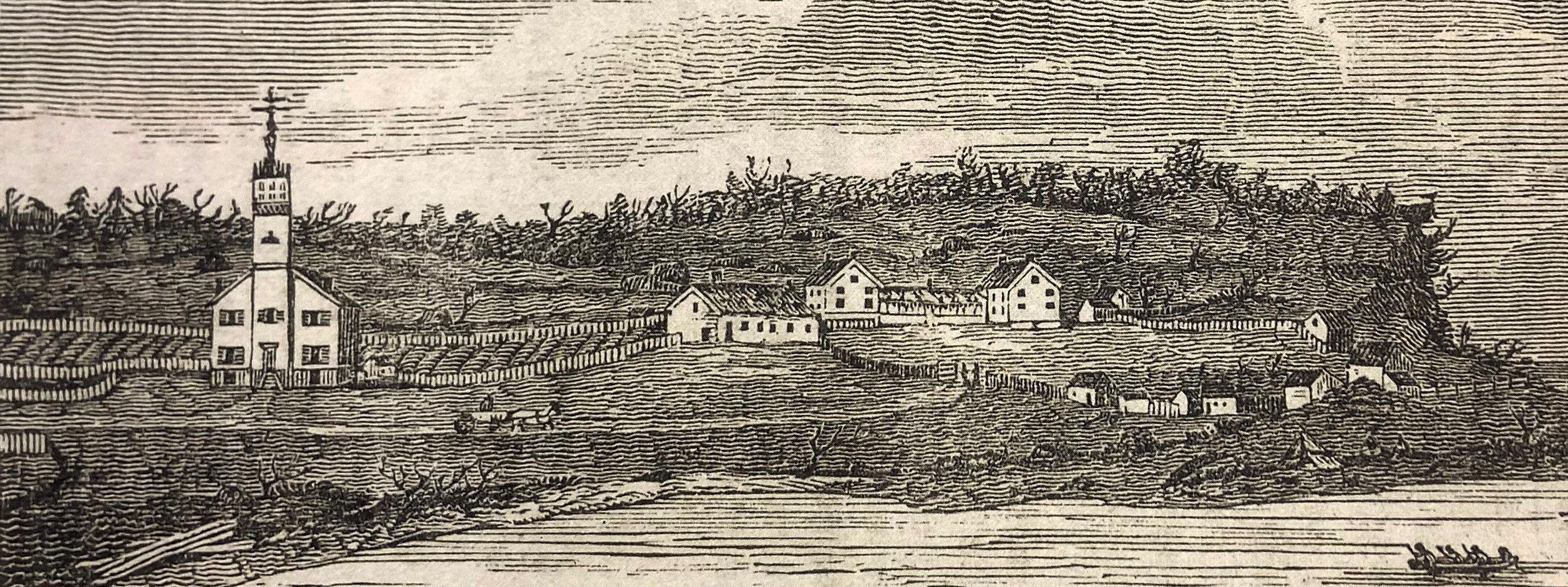
Have you ever wondered how they got lumber over to the island to construct buildings such as Mission Church?
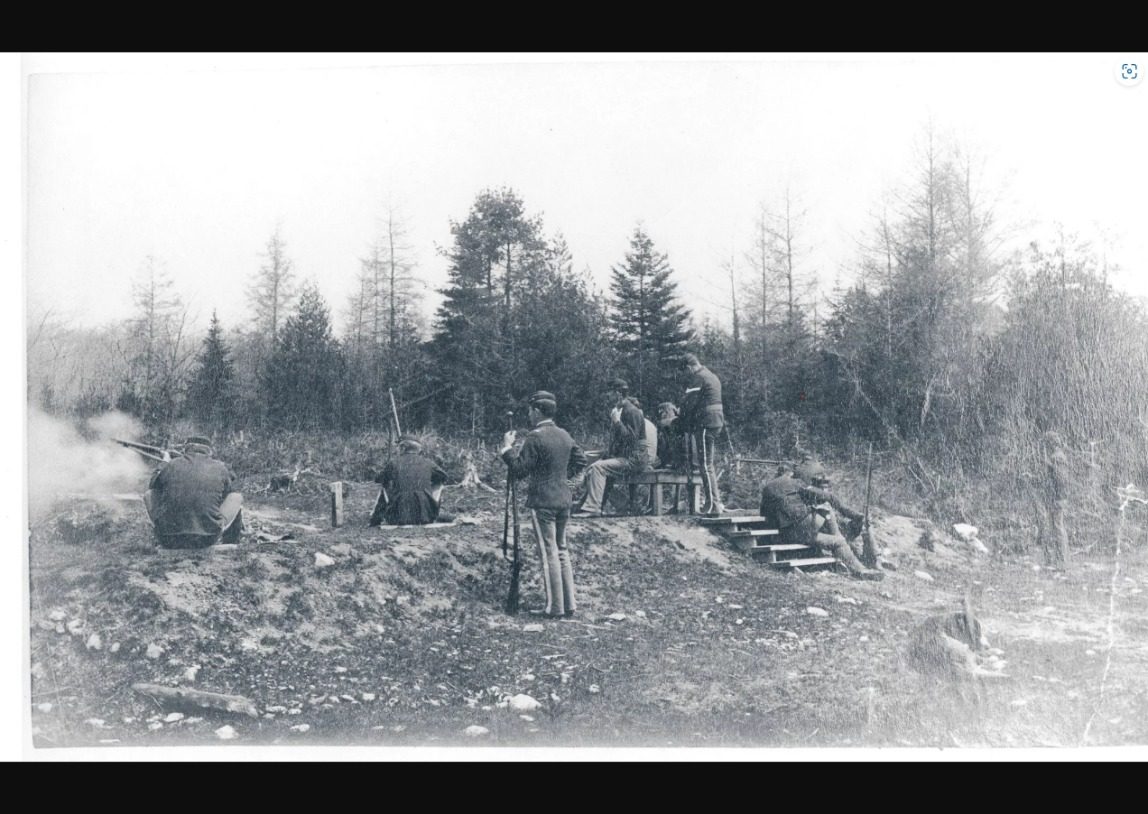
While American history is full of stories and legends of soldiers and civilians skillfully using their muskets and rifles in the heat of battle or some other dramatic event, the truth is that most people in the 1800s had little-to-no experience in long-range shooting or even basic firearm skills. This included the army.
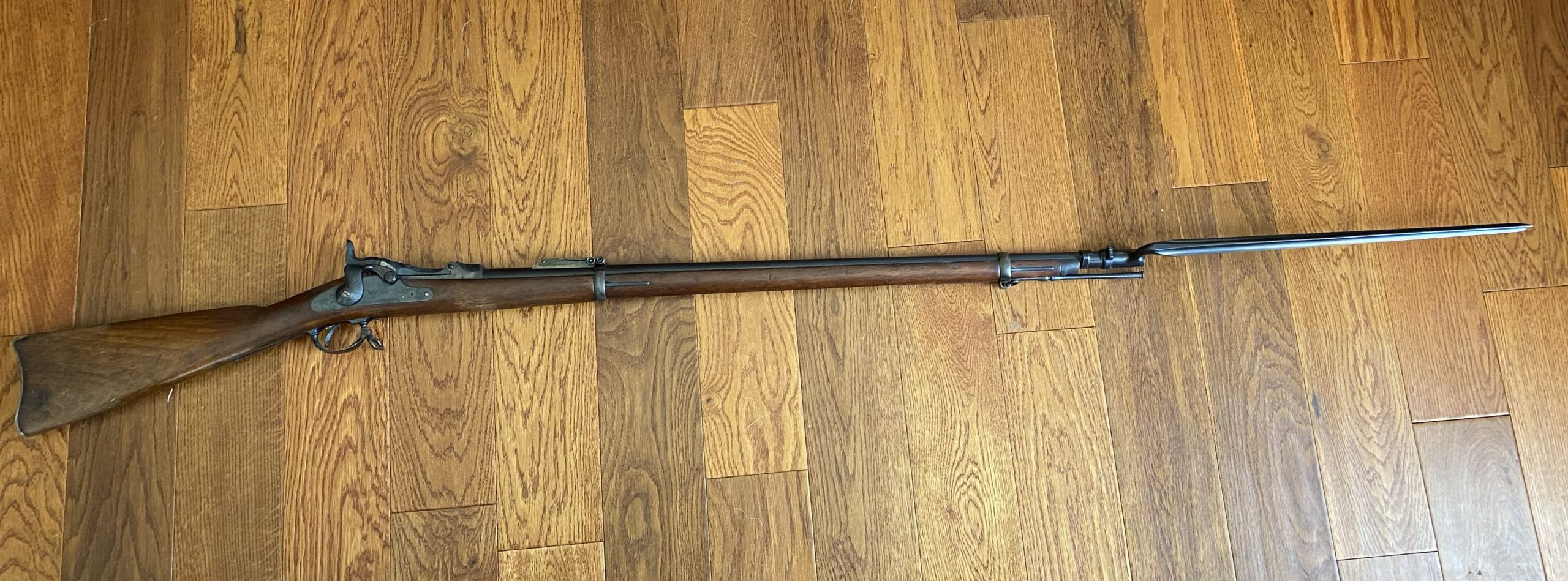
Throughout Fort Mackinac’s military history, British and American soldiers were issued bayonets to complement their shoulder arms. Learn a bit more about them here:
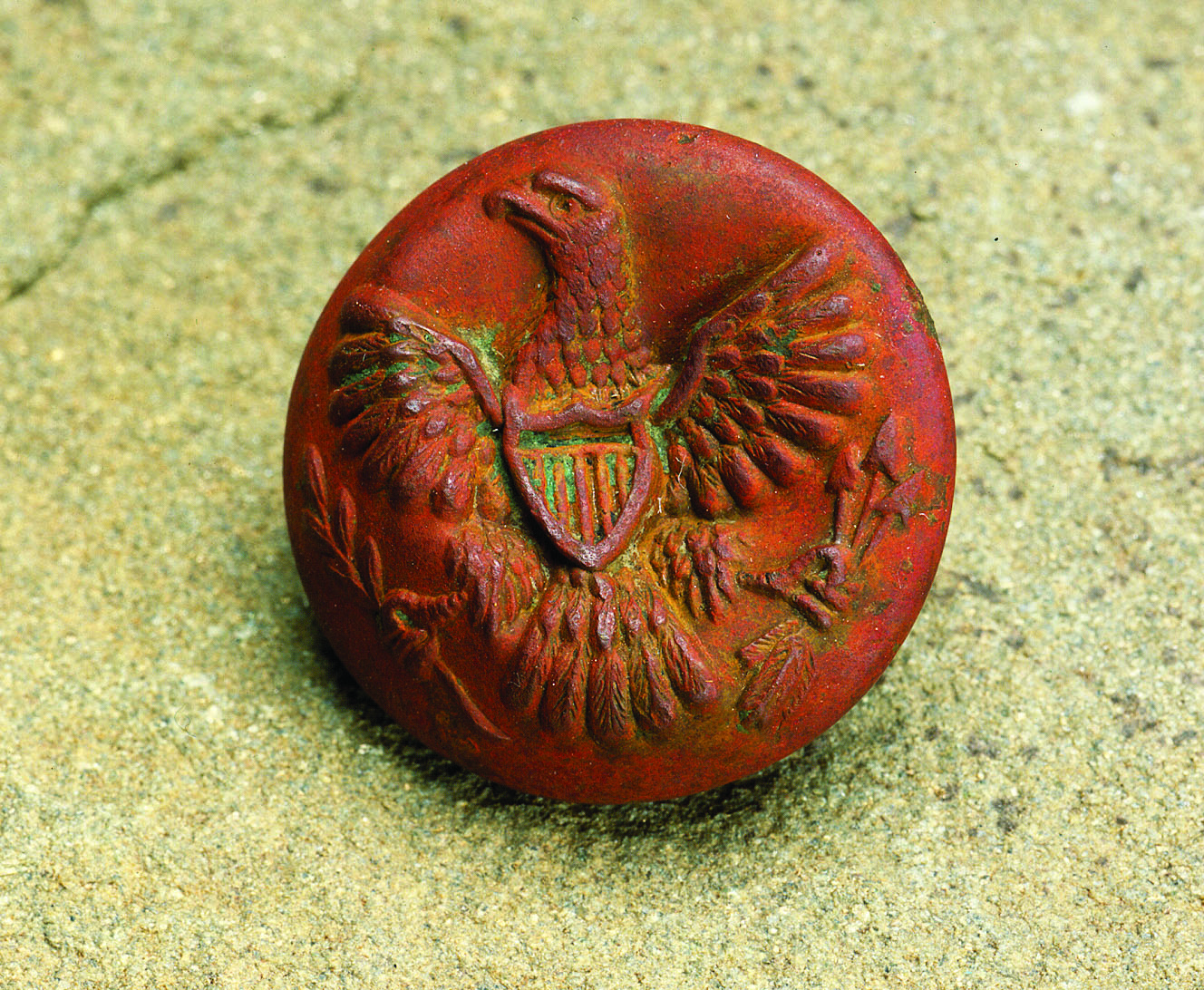
One of the “missing” buildings at Fort Mackinac is the blacksmith shop.
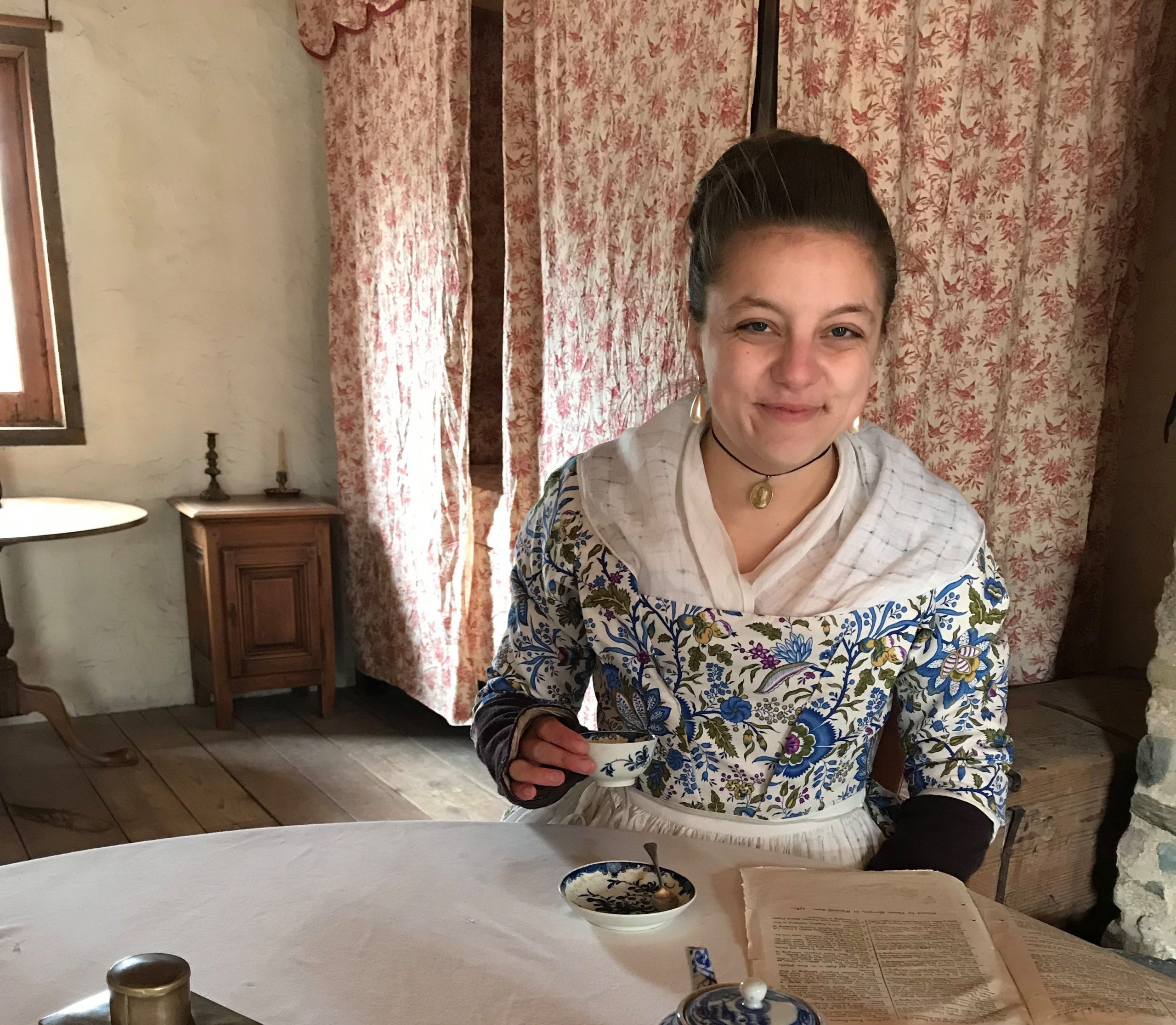
She lived her, too. Marie Constance Chevalier was one of the few people who made Michilimackinac their permanent home in the early years of Michilimackinac’s history.
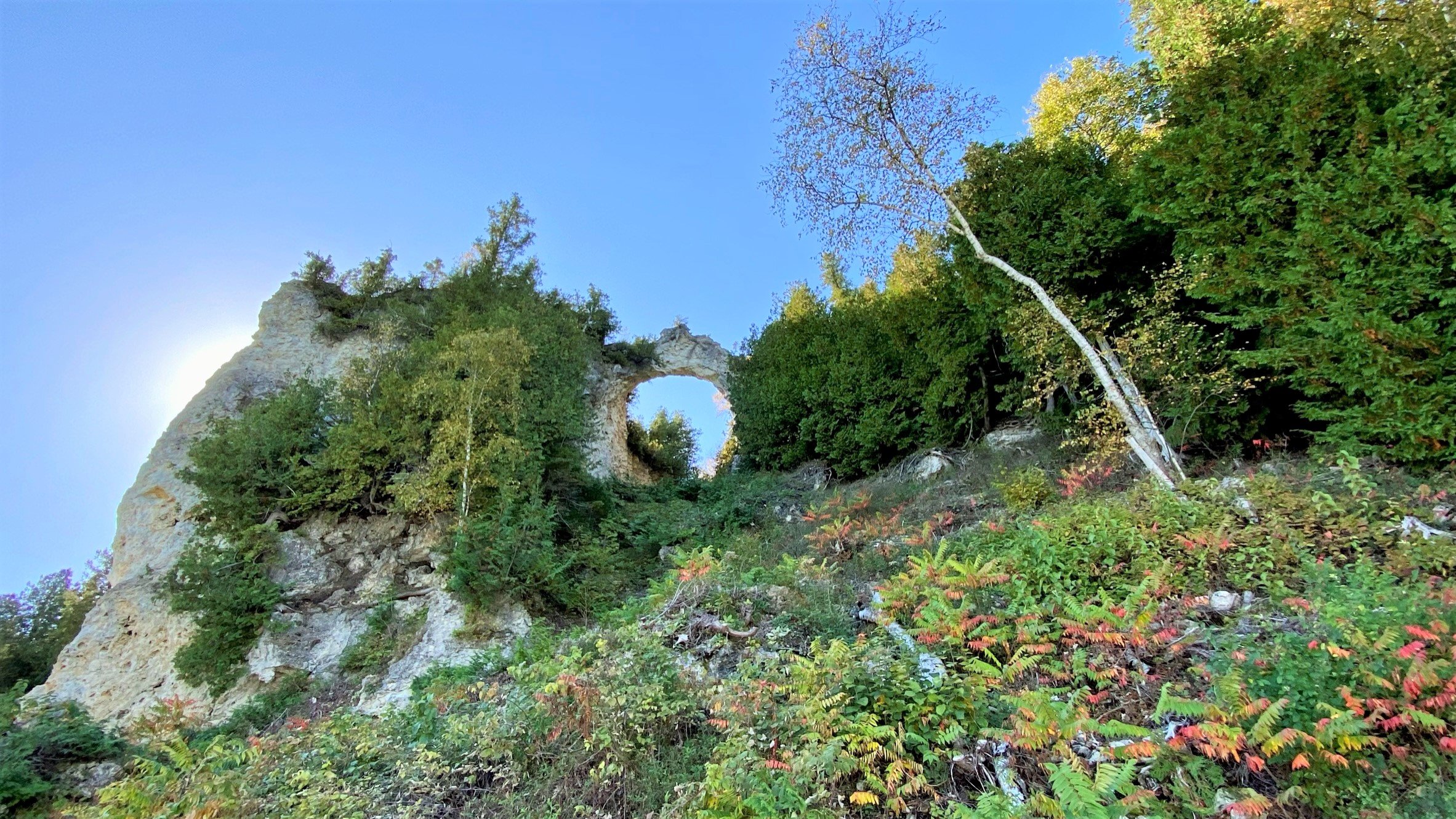
On an island known for awe-inspiring natural wonders, Arch Rock is certainly Mackinac’s most iconic.