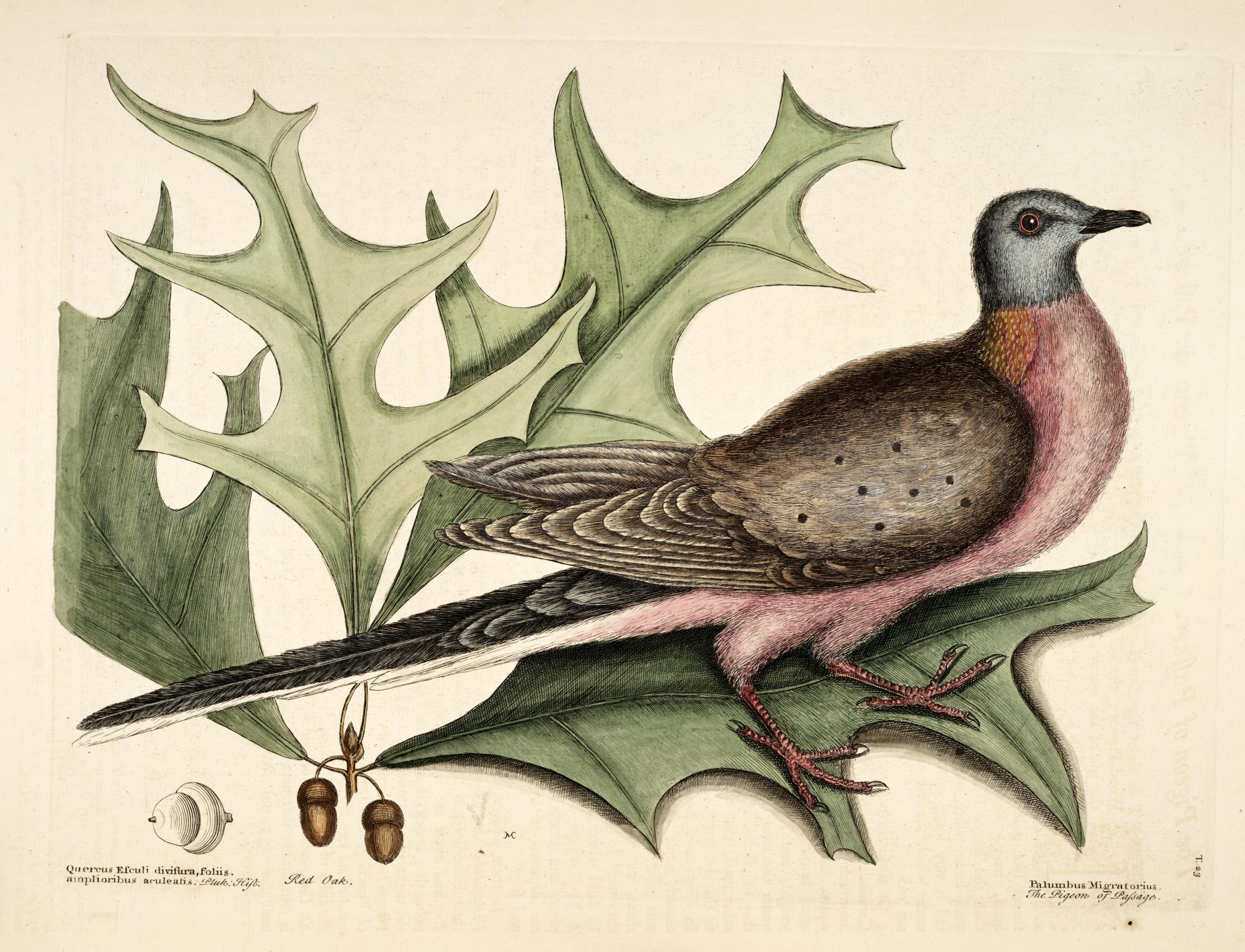
Passenger Pigeons at Mackinac
As long as people have lived in the north woods, they’ve eagerly awaited signs of spring.





As long as people have lived in the north woods, they’ve eagerly awaited signs of spring.
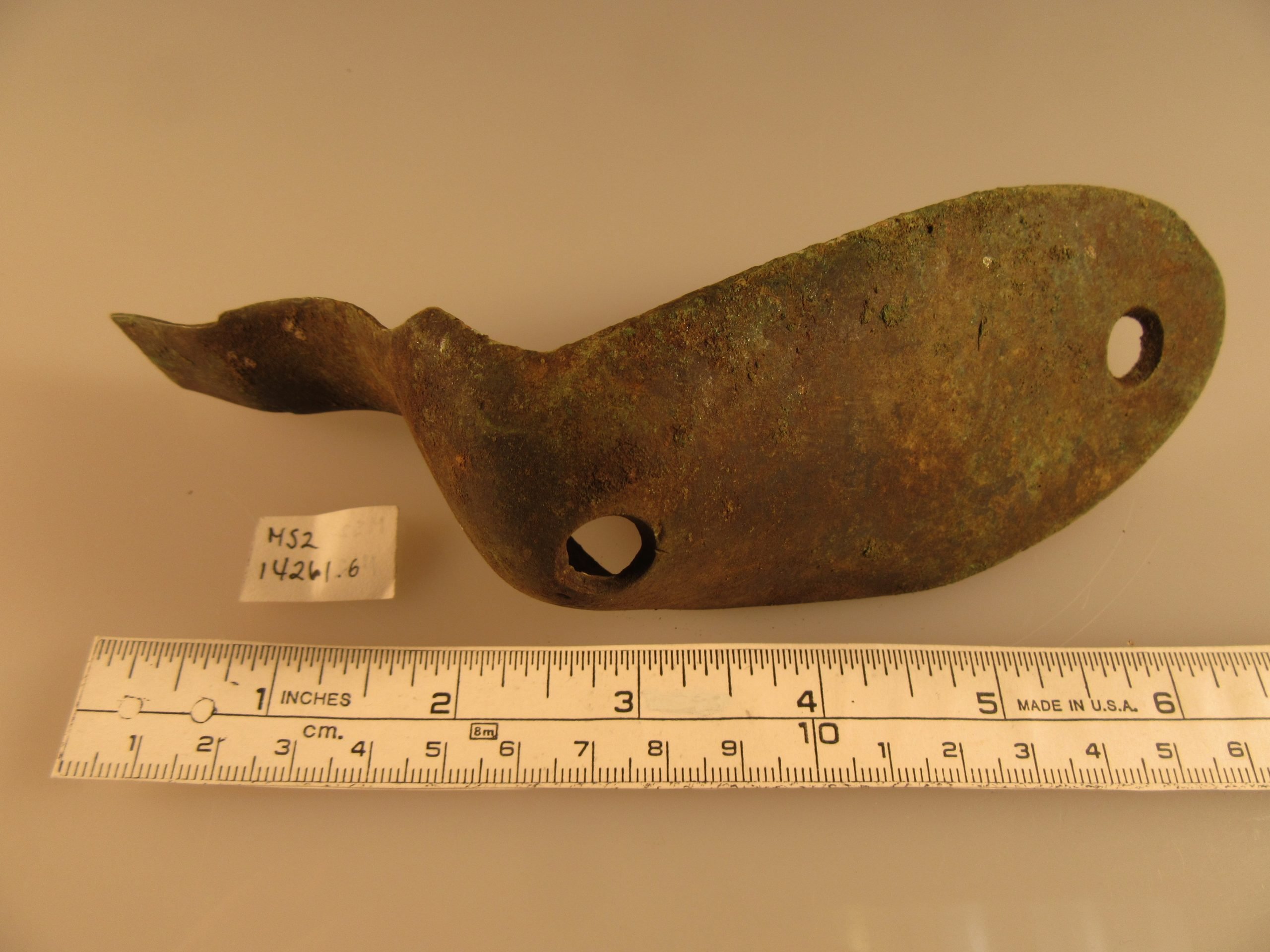
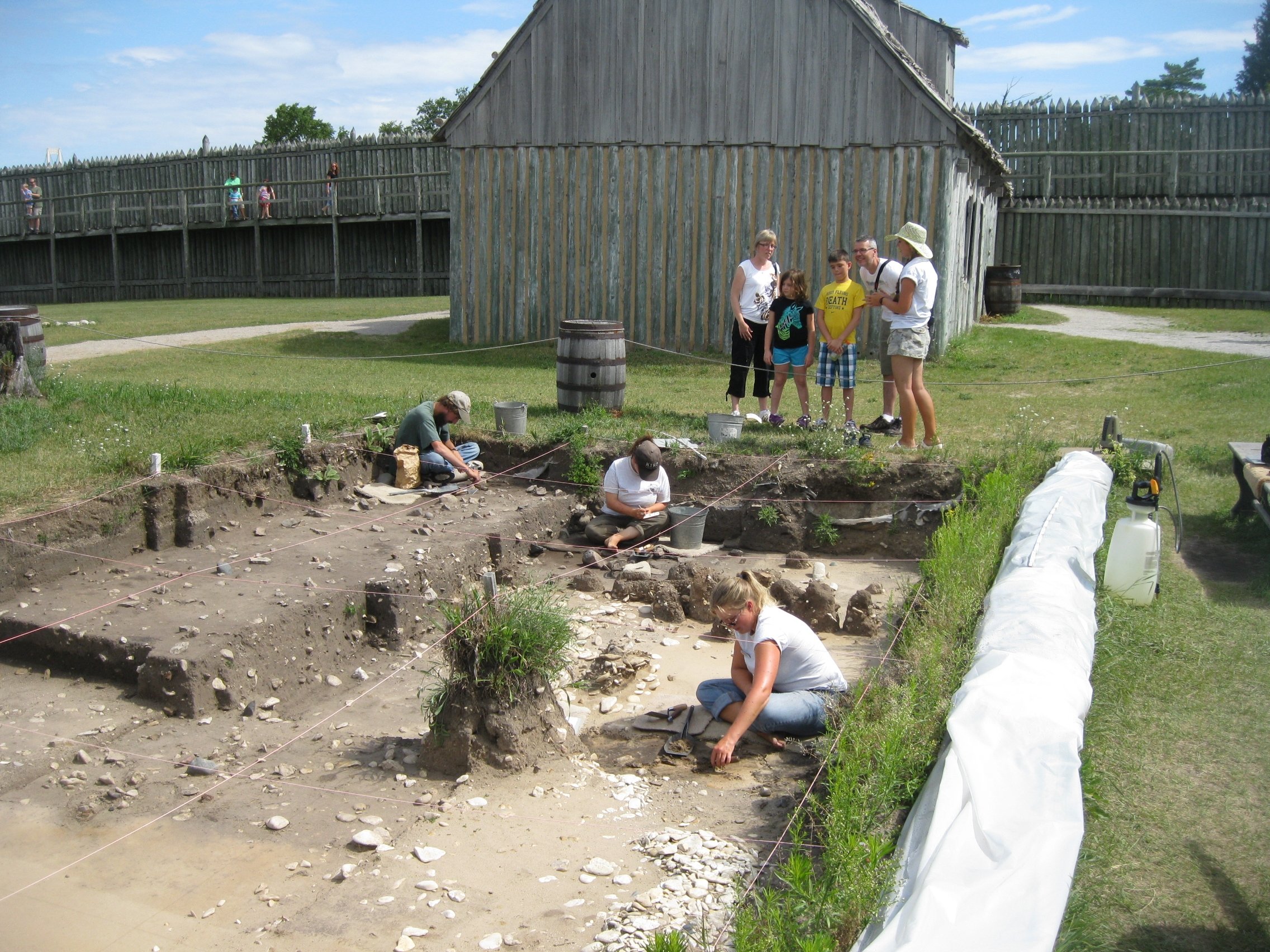
Between 1998 and 2007 Mackinac State Historic Parks excavated the east end unit of the South Southwest Rowhouse. One of the most interesting categories of artifacts excavated at the house was gun parts.
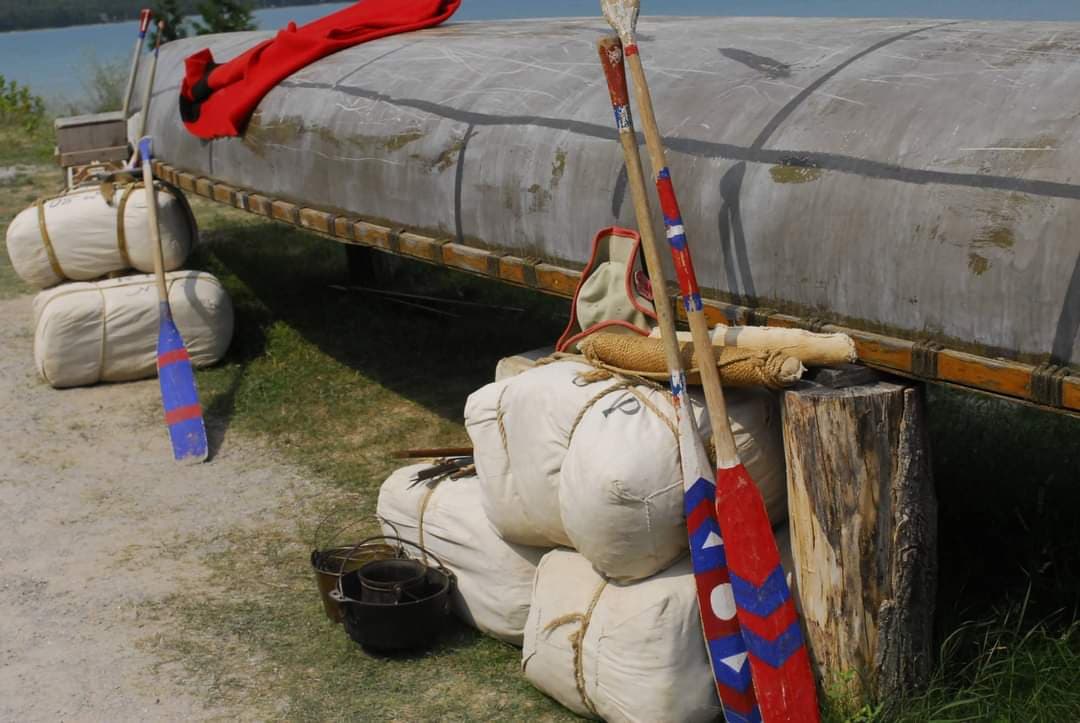
Sally Ainse was one of many people drawn to Michilimackinac in the 18th century. During her life she worked as an interpreter, fur trader, farmer, and real estate investor.
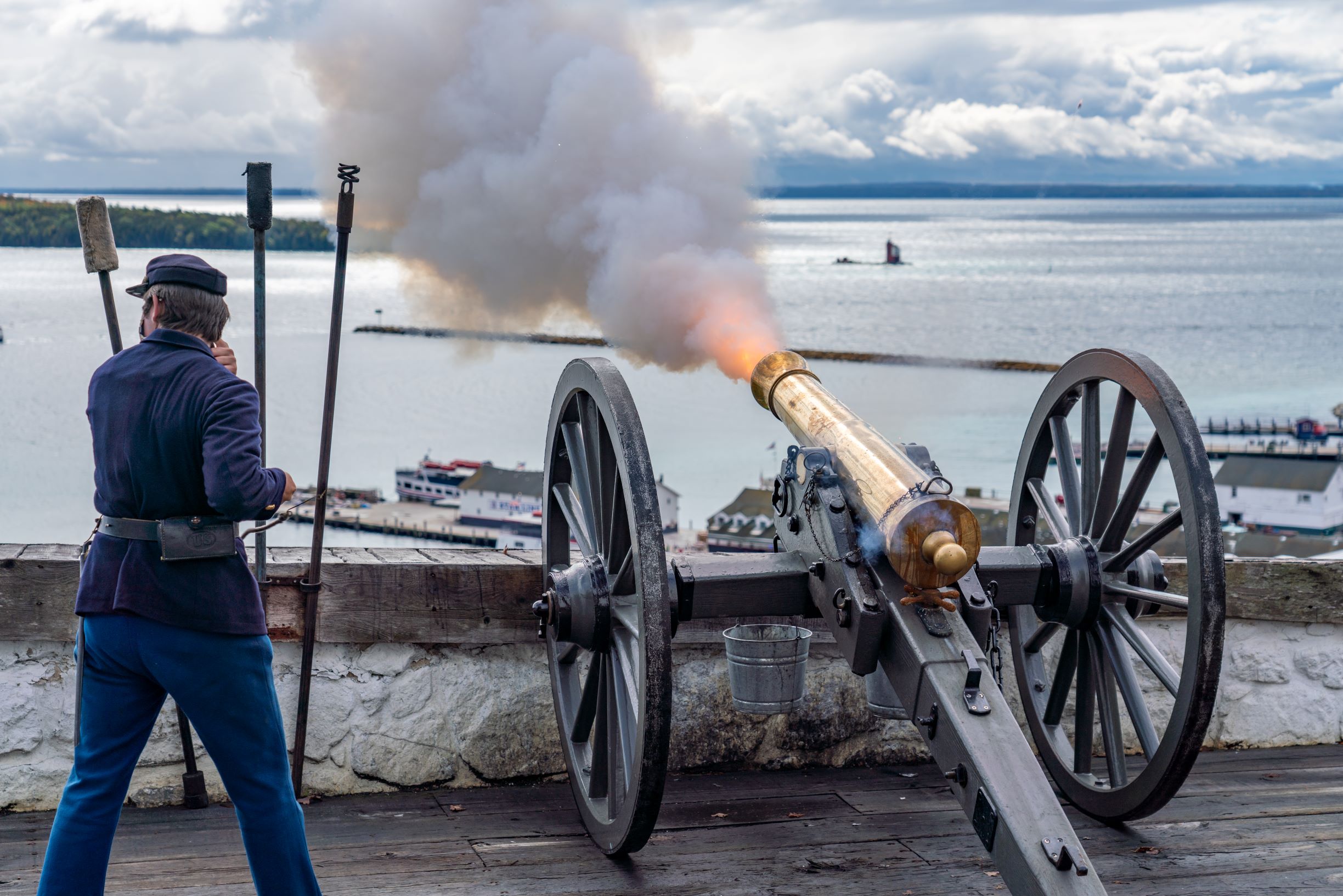
Opening day for Mackinac State Historic Parks’ sites is a little more than two months away, and MSHP staff have been busy readying new tours, exhibits, publications, and more.
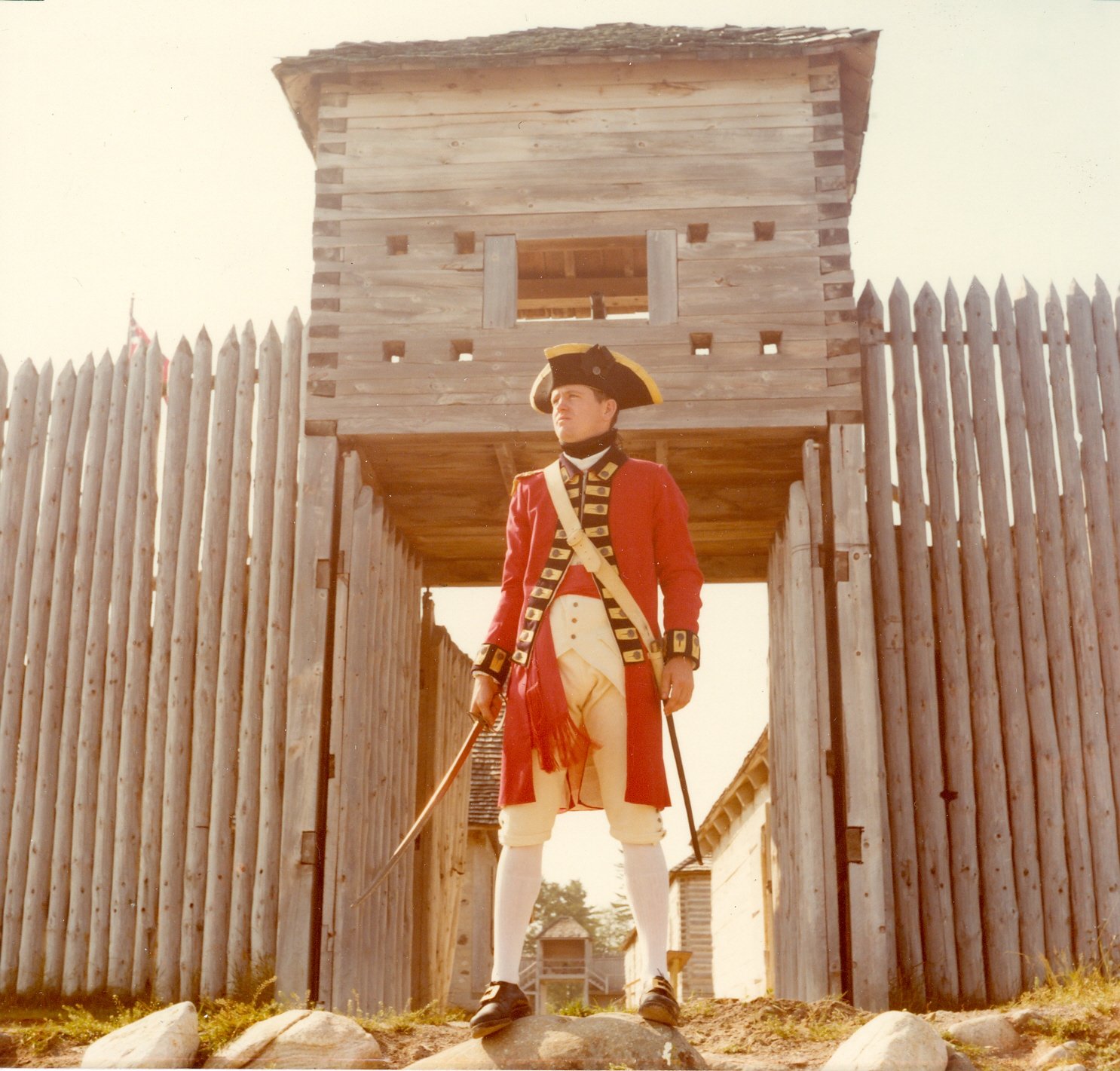
It would have been very easy for Jim Evans to take a victory lap during the 2020 season. 2020 was his 50th season at Colonial Michilimackinac (as in, half a
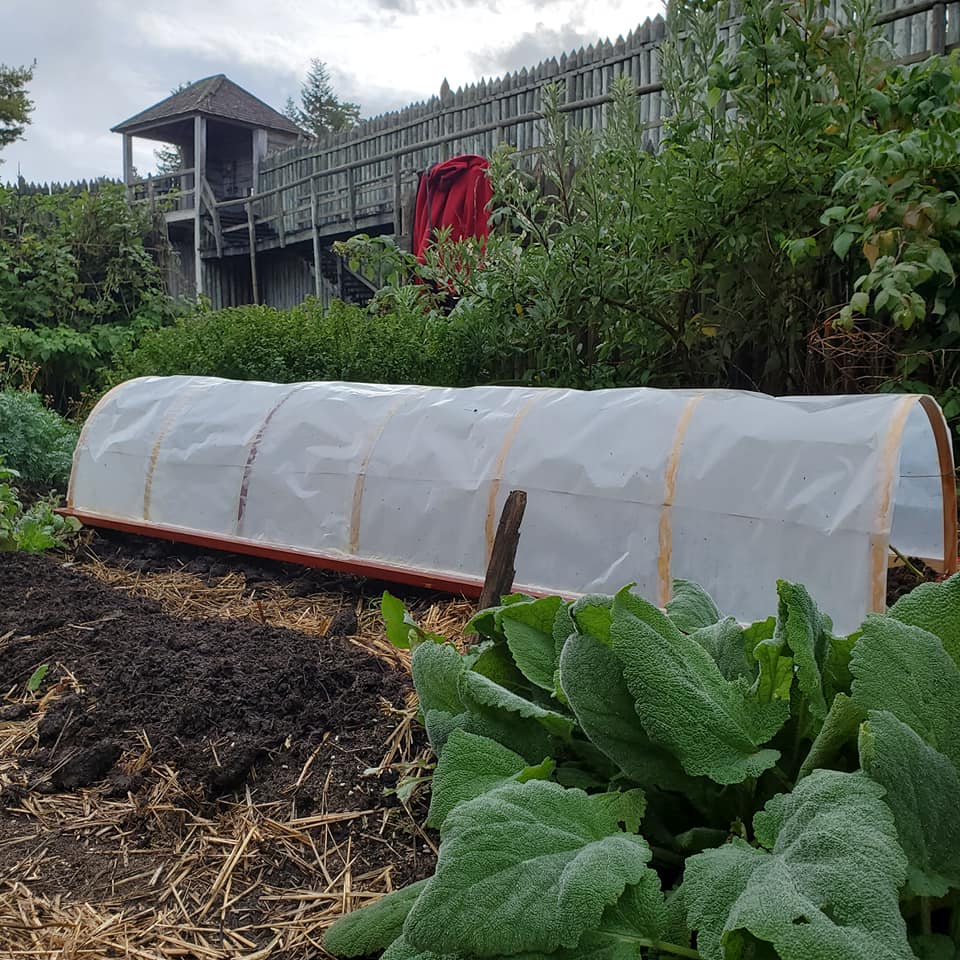
As many visitors to Colonial Michilimackinac know, we have a lot of gardens inside the palisade. The walls of the fort, as well as the geography of northern Michigan, create a unique climate at our site. But what if we need more protection from the weather?
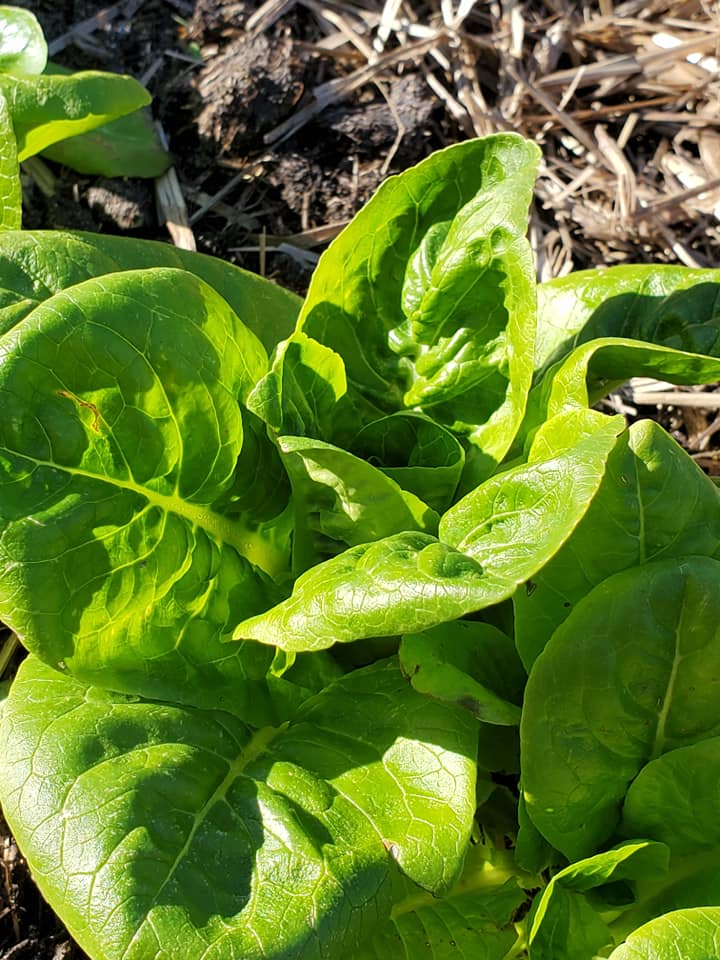
As we know, from 1774 to 1775 John Askin used his journal to record activities in his garden.
Mackinac Associates’ mission is simple and encompassing: Friends Preserving and Sharing Mackinac’s Heritage.
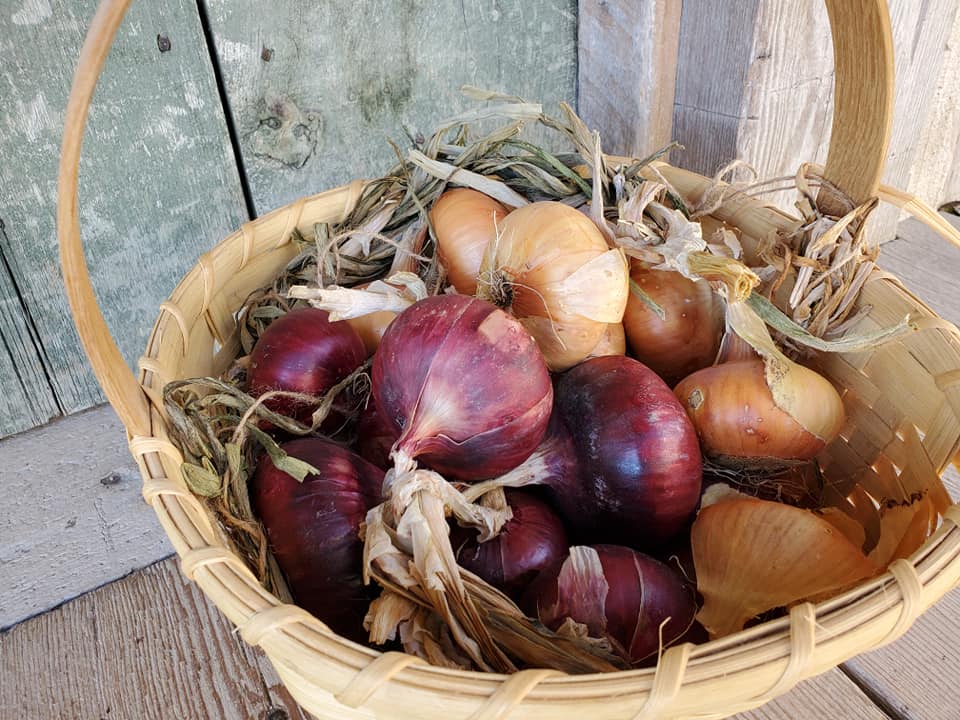
John Askin’s journal, as mentioned in a previous post, is full of all sorts of notes about 18th century life at Michilimackinac. The document is especially useful for understanding the ways in which people were gardening. Today, let’s look at another of the vegetables Askin grew in his garden: onions.