
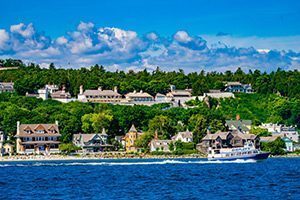




As Michiganders prepare for Thanksgiving, sooner or later, thoughts turn to turkey. No matter where they are raised (or what color their feathers are), all turkeys around the world descend from wild turkeys found in North and South America. Today, after a long and sometimes perilous history, the eastern wild turkey is a familiar sight to many Michigan residents.
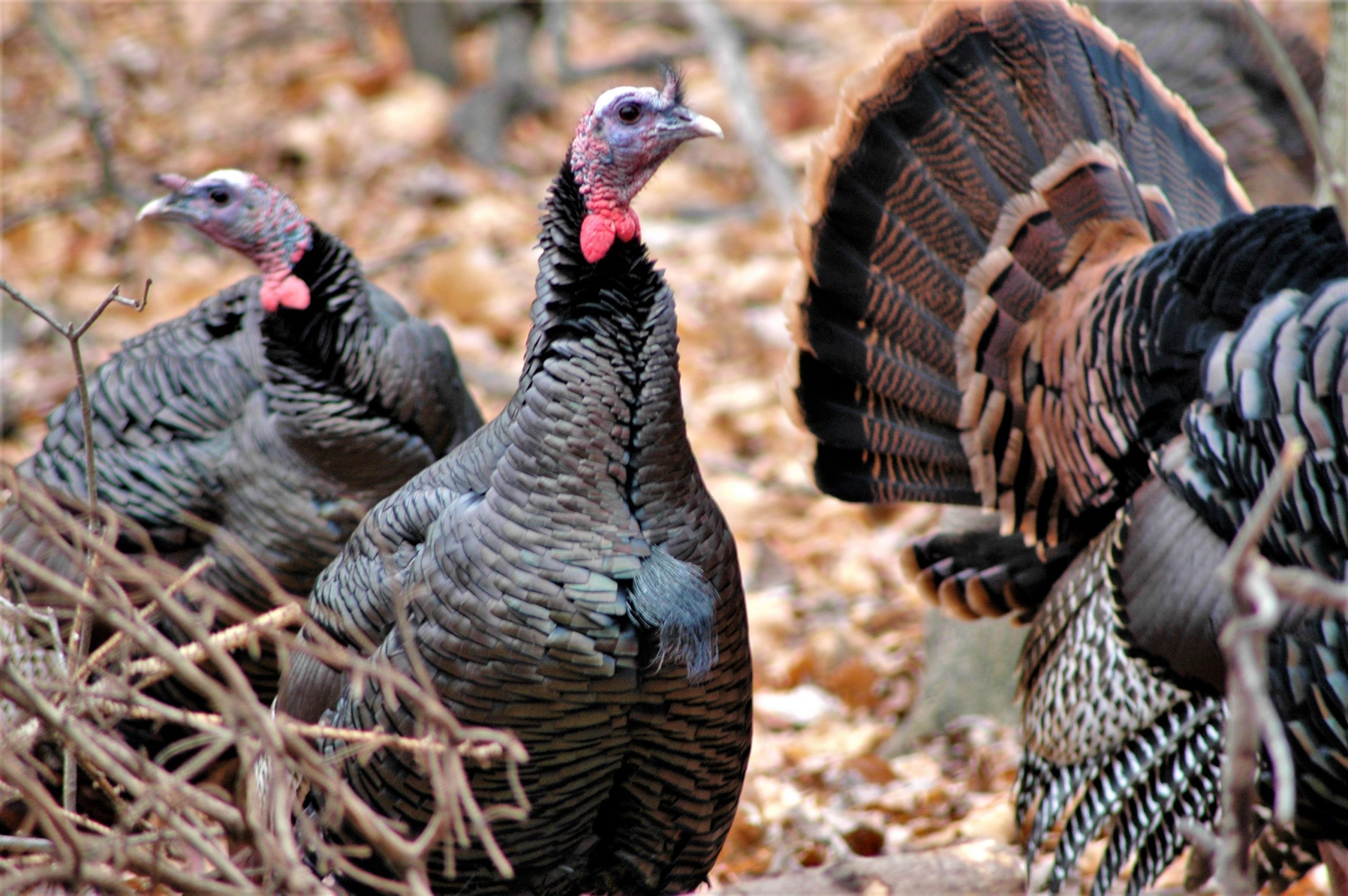 For indigenous peoples throughout the Americas, these large woodland birds have been an important source of food, fat, bones and feathers for thousands of years. When Europeans first set foot in Michigan, there were overawed by the abundance of wild animals they encountered. An early account by Antoine de la Mothe Cadillac, founder of Detroit, provides an excellent picture. On September 25, 1702, he wrote, “Game is very common – wild turkeys, swans, wild ducks, quails, woodcocks, pheasants and rabbits. There are so many wild turkeys that twenty or thirty could be killed at one shot every time they are met with.”
While he may be guilty of exaggeration, Cadillac described populations of mammals, fish, and birds that must have seemed inexhaustible. As settlements grew, hunters proliferated, and hunting methods became increasingly efficient, this sadly proved to be anything but true.
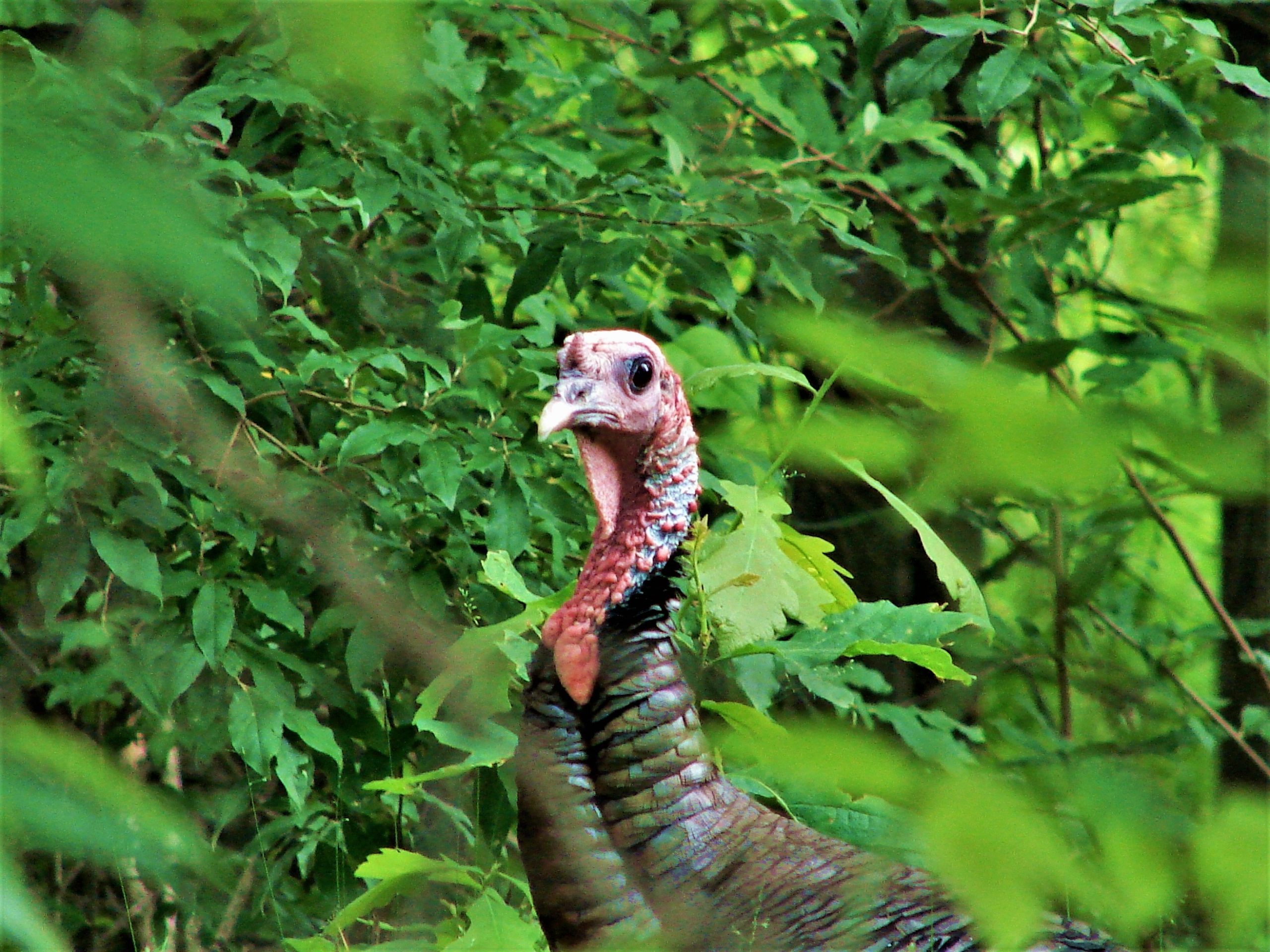 By most accounts, turkeys were common in many areas of Michigan’s lower peninsula until about 1875, becoming increasingly rare thereafter. While several species of grouse were found at the Straits of Mackinac, turkeys were nearly unknown in this northern latitude, preferring the oak, beech and hickory forests in the southern part of the state. Throughout Michigan, habitat loss and indiscriminate hunting resulted in a perilous state of decline for the state’s wildlife by the turn of the 20th century.
Ironically, Michigan’s first conservation law had passed in 1859, with several others to follow through the 1880s. What derailed most early efforts was a near complete lack of enforcement. In an attempt to save what was left, an “Act for the Protection of Game” passed in 1897 which included,
“No person or persons shall injure, kill or destroy any wild turkey by any means whatever until the year nineteen hundred and five, and then save only from the first day of November to the thirtieth day of November…”
In short, these restrictions proved too little, too late. By 1900, wild turkeys were completely extirpated from Michigan (being “extinct” in this state, but still existing elsewhere). Through the first half of the 20th century, several unsuccessful attempts were made to reintroduce wild turkeys to Michigan, including a 1905 effort on Grand Island in Lake Superior.
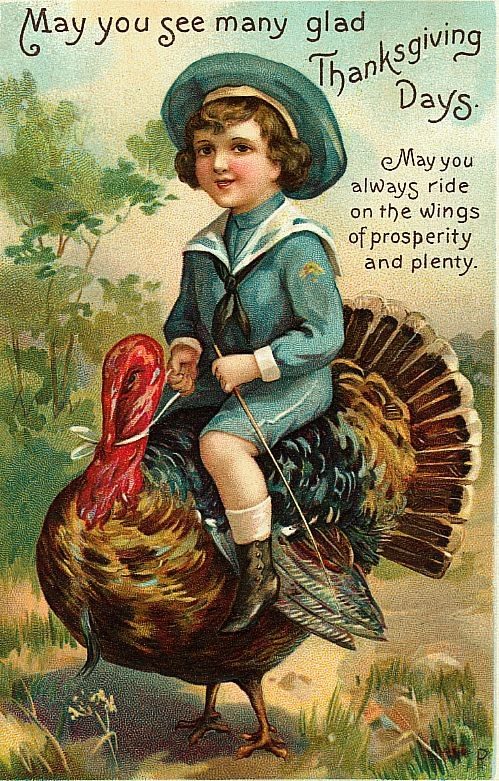 In the mid-1950s, the Michigan Department of Natural Resources purchased wild turkeys from Pennsylvania, starting a successful reintroduction program in southwestern Michigan, followed by the northern lower and upper peninsulas. Over the past 60 years, turkey populations have expanded (and in some areas exploded), as a result of habitat restoration, sound hunting regulations, and feeding programs in northern Michigan.
Today, even Cadillac might be impressed by some of the large flocks of wild turkeys that exist throughout the state. As you sit down for a Thanksgiving dinner, remember to give thanks for generations of dedicated conservationists who brought back this iconic bird from the brink, to inhabit Michigan’s fields and forests once again.