
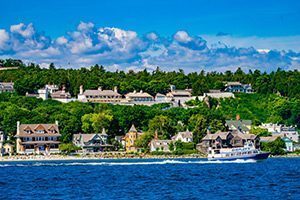




If you have visited Colonial Michilimackinac in recent years, you have probably noticed some changes to the site. We have a whole new building, bigger than any that had previously been reconstructed, new tours, programs and updated exhibits. We excavate every day in the summer, learn as much as we can from the artifacts that we find, and apply that information to ultimately reconstructing the buildings and the life that was there 250-300 years ago. But that word “life” can be tricky. What makes a neighborhood, village or city alive? Our staff believes that in addition to presenting a collection of buildings and artifacts, we can also share the smells, tastes and sounds of historic Michilimackinac. We have taken the challenge of making Michilimackinac come alive very literally. 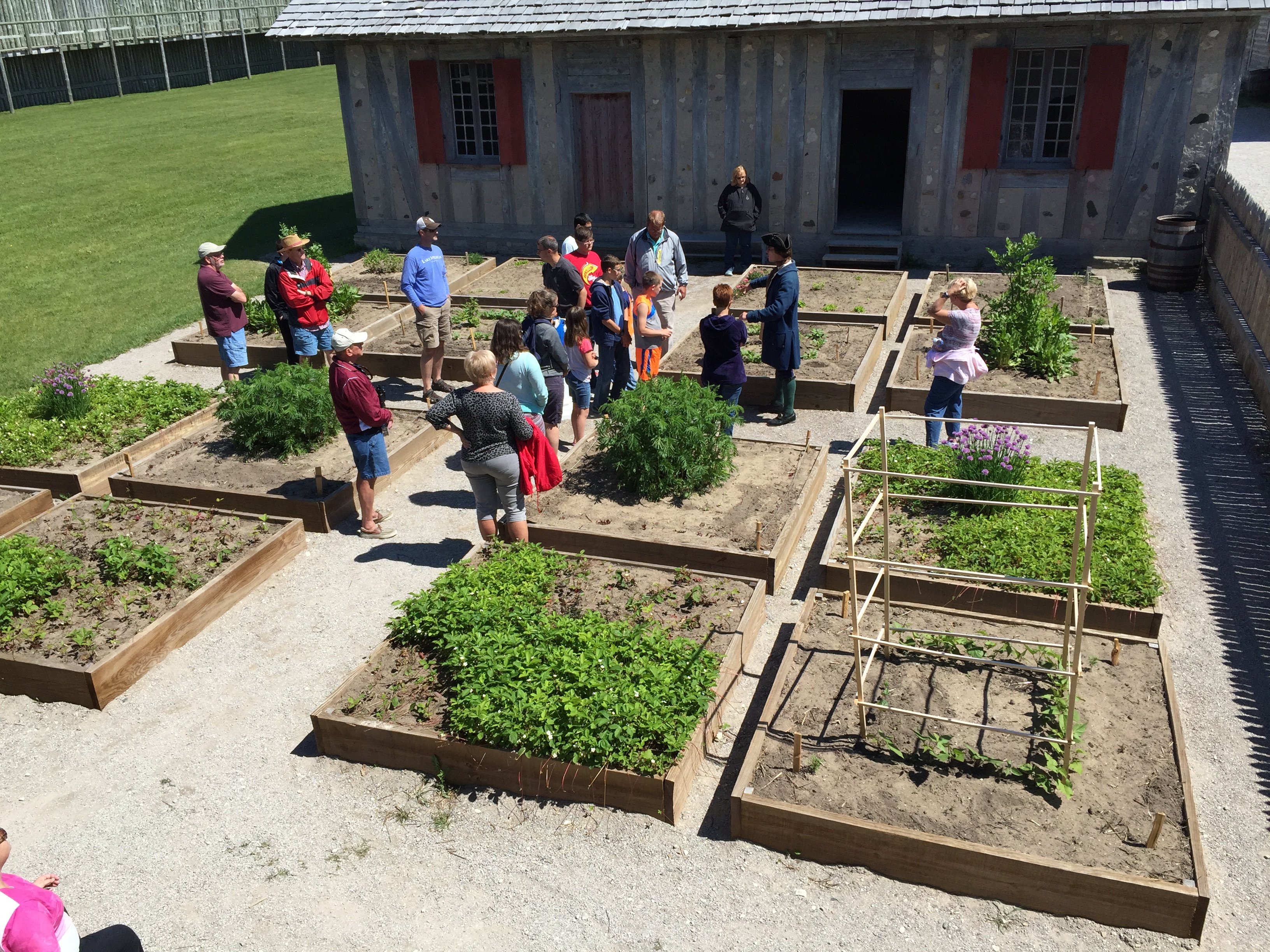
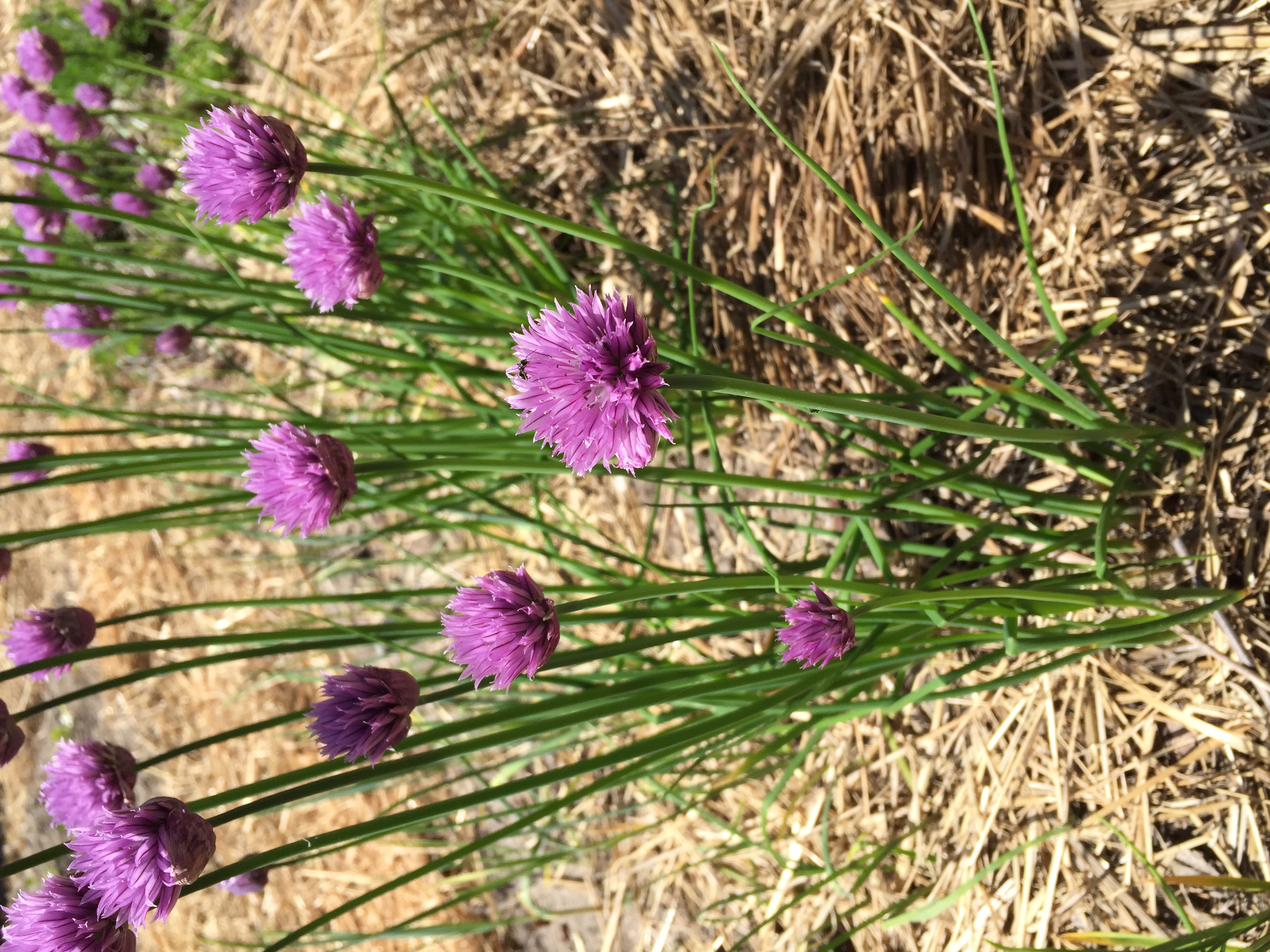
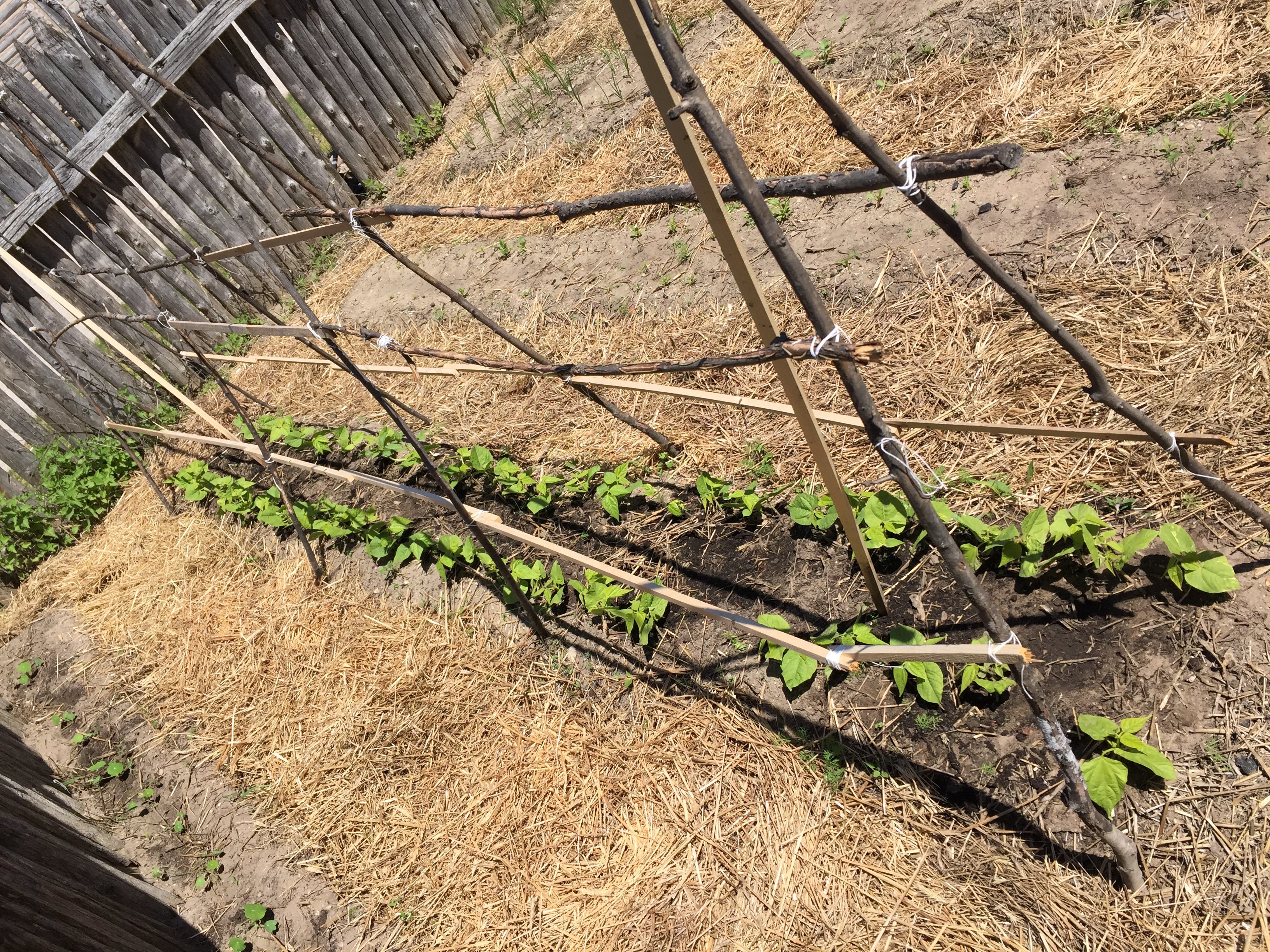 Right now there are 13 recreated gardens inside the fort’s palisade. Some are small or some, like the commanding officers’ garden, are actually quite large, containing 16 beds centered around a brass sundial and totaling around 785 square feet. All the gardens big and small in the 1770s were a source of food, medicine and household supplies. Due to the small space and diverse nature of food and household needs, many types of plants were tucked in together. One example of this is found in a small backyard garden that belonged to a French fur trader. In it there are planted chives, radishes and violets.
 As much as we try, it has never been particularly easy to grow plants at Michilimackinac. Many of the accounts essentially state that the prospects of cultivating food at or near the fort were bleak. At one point a traveler named Lotbiniere wrote that “this piece of land is quite barren” and that the “fort was on a point of drifting sand which the wind blows from side to side”. This review of the site does not inspire images of lush and green gardens, but the residents tried. If the military or civilians living year-round at the site wanted fresh lettuce, carrots or other foods in their diet they had to grow at least some of them themselves. Historically, the residents ended up hauling topsoil, vegetable manure (composted plants) and animal manure onto their gardens to help them grow.
Another problem with sandy soil is that it dries out really, really fast. Michilimackinac can have hot, relentlessly windy and dry summers. Keeping the yards watered in the summer could be quite a challenge in late July and August. The problem was likely solved by hauling endless buckets of water from the nearby lake. Michilimackinac’s interpreters still use buckets to keep the gardens from wilting in the hot summer heat and never turn down help.
Historic Interpreters now grow flowers, vegetables, fruit, and even roses inside the fort. The products from those plants are used every day in our historic foodways programs and are meant to reflect what life was like in this fortified fur trading village in the 1770s. Spring planting began in May the little plants have pushed their way through the soil just like they did 250 years ago, some have even been picked and used in our cooking demonstrations.
Visit Colonial Michilimackinac July 18 and 19 to get your hands dirty, literally, helping with the gardening and cooking at the fort as part of the special tricentennial interpretive programs.