
 In January 1776, the residents of Michilimackinac had a major problem. Montreal, the city at the other end of the supply line feeding Michilimackinac, was under rebel control, having surrendered to an American invasion force in late 1775. Quebec, the capital of British Canada, was under siege. For better or worse, however, the people of Michilimackinac didn’t know anything about these events yet.
The American invasion of Canada began in late July 1775 when the Continental Congress authorized an expedition to “liberate” the 14th colony. Philip Schuyler and General Richard Montgomery led an American army north, capturing Montreal on November 12. Governor Guy Carleton escaped down the St. Lawrence River to Quebec. The American army followed and laid siege to the city, joining a second force led by Benedict Arnold. Unprepared for a winter campaign in Canada, the rebel army faced dwindling supplies, growing sickness, and expiring enlistments. The Americans also discovered that enthusiasm for “liberation” among French Canadians was lukewarm at best. American invitations to join the cause of liberty were undermined by domestic propaganda portraying Catholic French Canadians as traditional enemies of freedom-loving Britons. To break the stalemate, Montgomery and Arnold launched a surprise night attack during a blizzard on December 31. The British defenses held. Montgomery was killed, Arnold was severely wounded, and hundreds of American soldiers were taken prisoner. Although defeated in battle, the Americans maintained the siege.
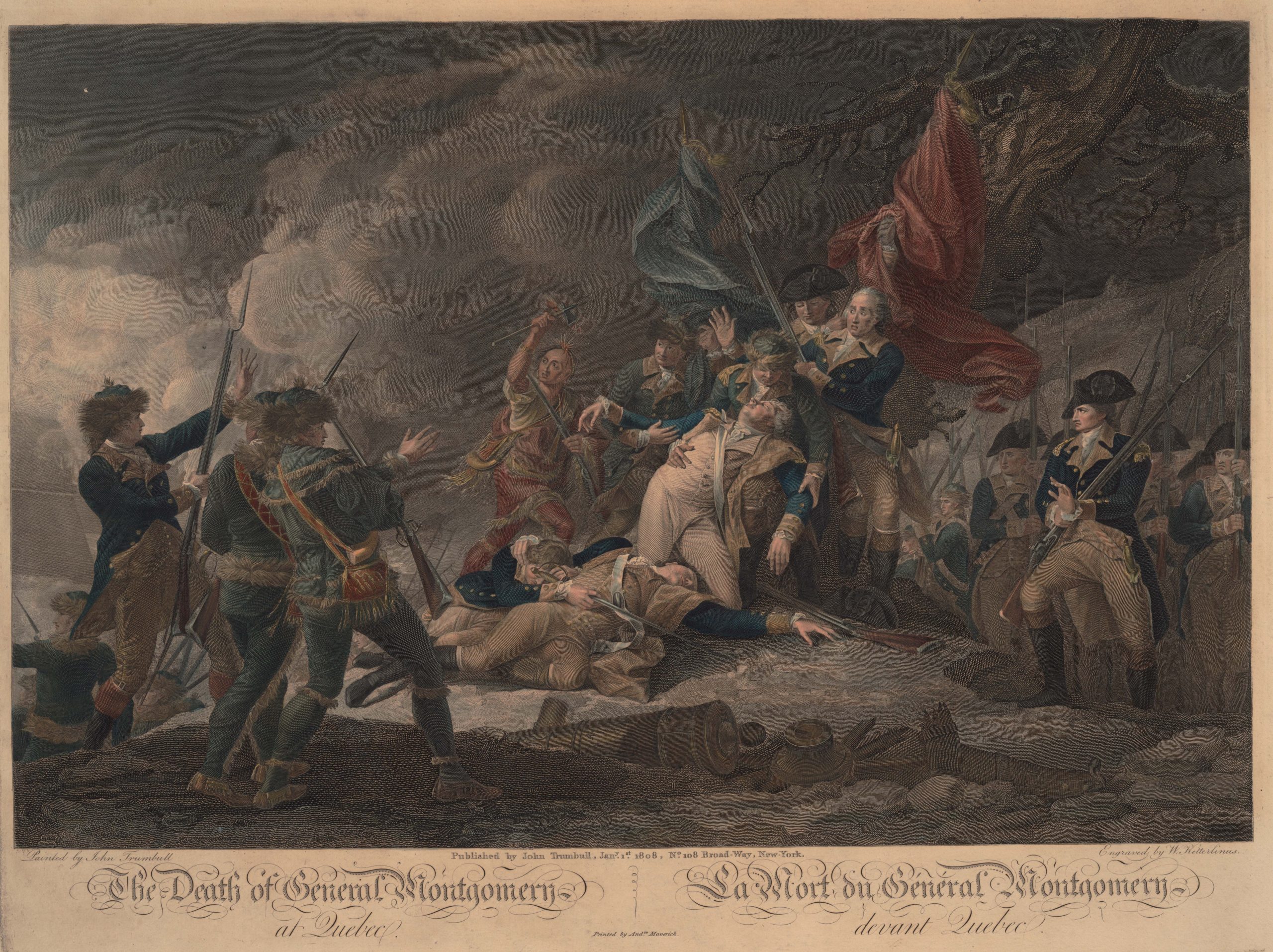
Some 650 miles to the west, the people of Michilimackinac had no idea any of this had occurred. They did not learn of the rebel invasion and fall of Montreal until early May 1776, when trader Simon McTavish arrived. Sharing the news with winter residents, he admitted that he “Exaggerated some matters to increase their Wonder.” Only on June 9 did the community learn of the failed assault on Quebec and Montgomery’s death.
The Michilimackinac merchants learned that their counterparts in Montreal had petitioned the American occupiers for permission to send trade goods to the Great Lakes. Congress refused, fearing these supplies would arm British soldiers and their Native allies at Detroit, Michilimackinac, and other western posts. Without these items, the Michilimackinac fur trade—and the community itself—would wither at the end of the strangled supply line. Residents understood their situation was dire but had little information about the occupation. McTavish wrote that they were “entirely in the dark about what’s transacting in Canada.” Nonetheless, trader James Bannerman observed that the “people here are more moderate than at Detroit, tho’ I believe no less affected to the Cause of Government.”
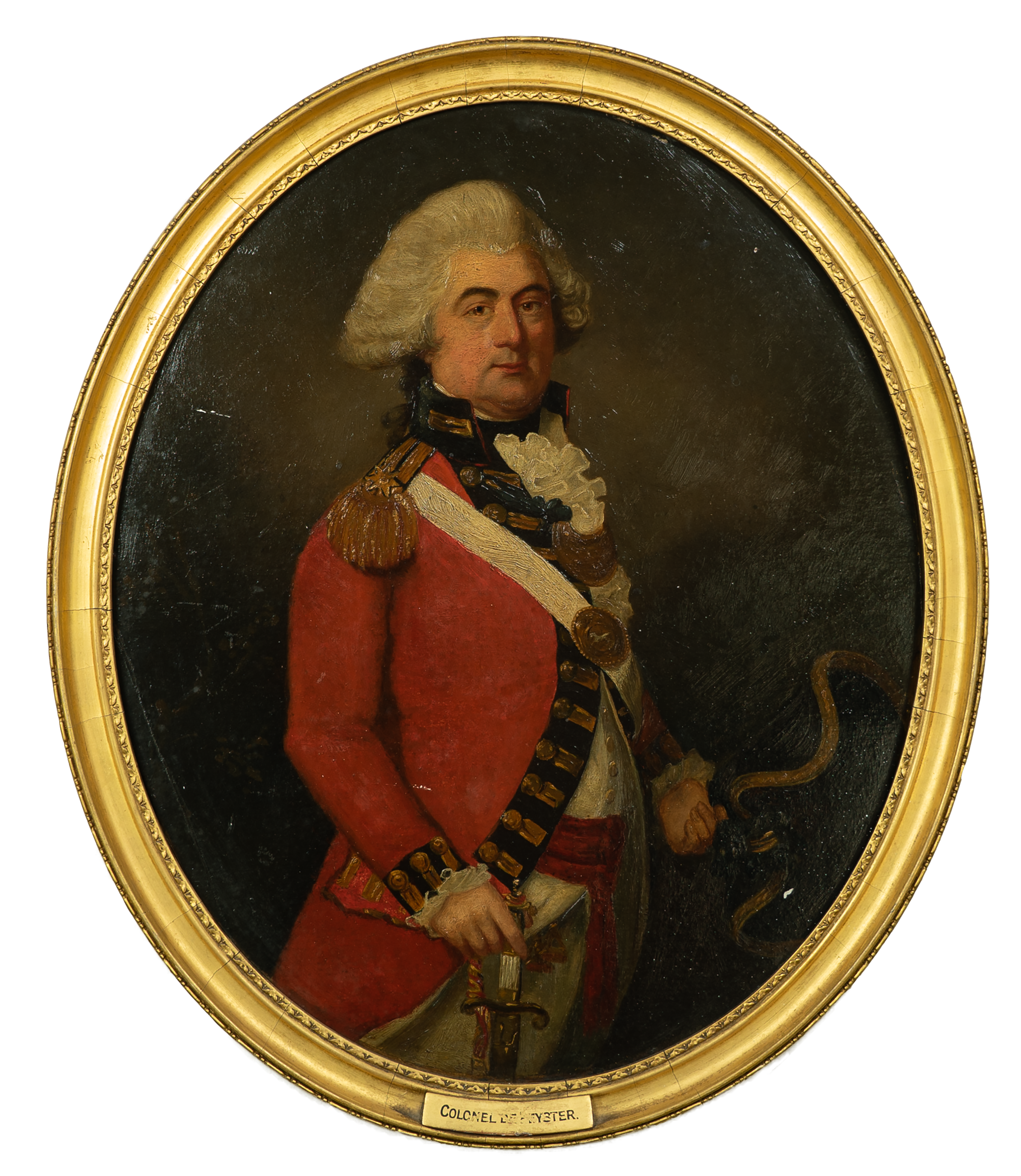
In early June, Capt. Arent DePeyster began sending assistance to British forces at Quebec. He raised two large war parties from regional Native communities. On June 17, about 150 Odawa and Ojibwa men departed Michilimackinac for Montreal, accompanied by Indian Department interpreter Joseph Louis Ainsse. Two weeks later, a larger force of about 400 Menominee, Mesquakie, Dakota, and Ojibwa warriors departed under Charles Langlade, along with several Canadian volunteers.
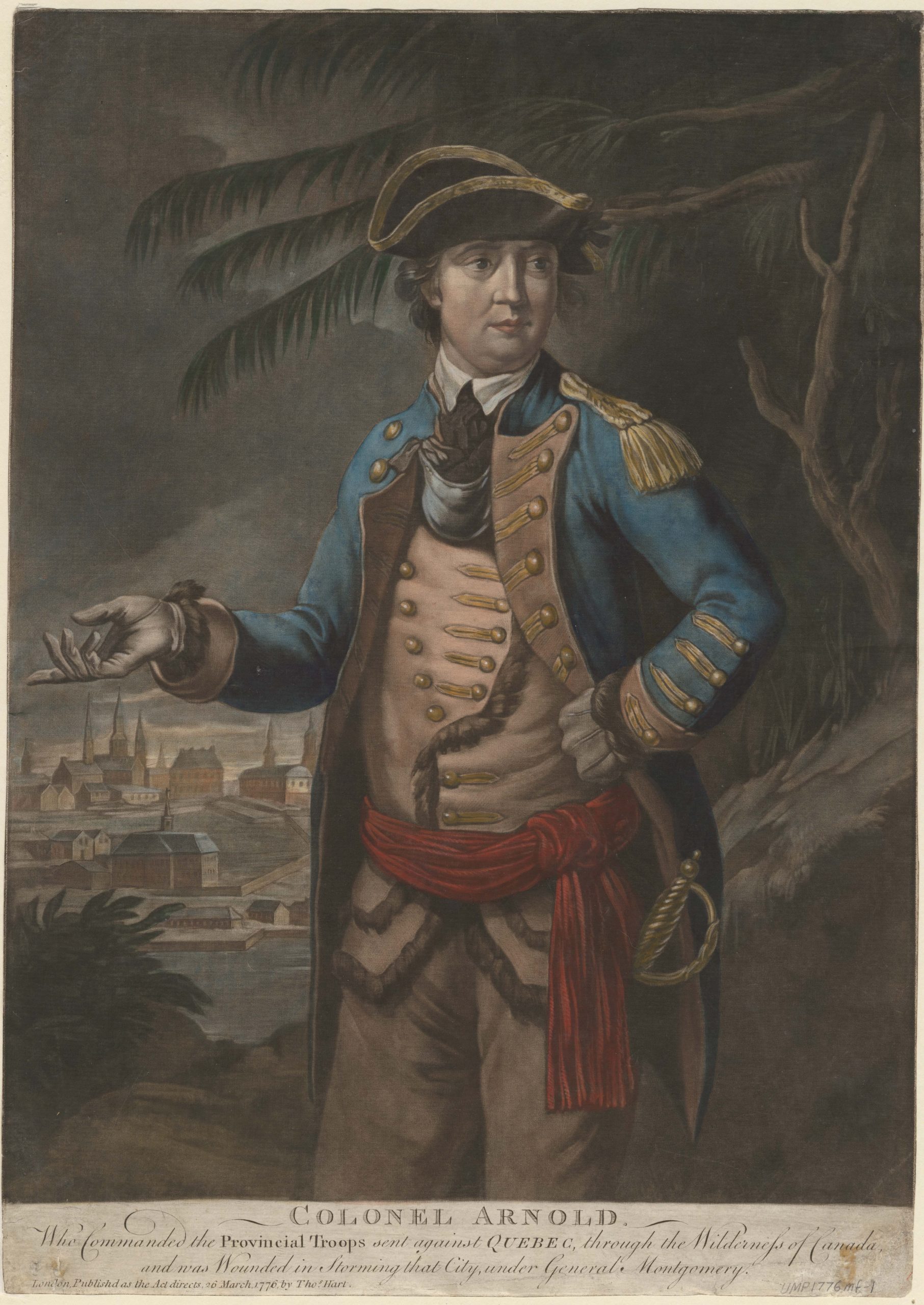
Both parties reached Montreal in mid-July and learned what had transpired. Although the Americans maintained the siege of Quebec, Carleton and the British remained inside the walls. The Americans retreated to Montreal on May 6, when British warships and reinforcements reached Quebec. In mid-May, British and Native forces defeated an American relief column at The Cedars, west of Montreal. John Adams later called the defeat “the first stain upon American arms.” The Americans abandoned Montreal on June 14. Governor Carleton greeted the first Michilimackinac party and thanked the Native men for their support, providing gifts and supplies. General John Burgoyne met Langlade’s party a few days later and did the same. Both groups were instructed to return to Michilimackinac, though the Dakota leader Wapasha demanded and received an audience with Carleton in Quebec before returning west.
Both parties returned to Michilimackinac in early autumn and dispersed to their homes. With the Americans driven from Canada, Michilimackinac cautiously returned to the seasonal rhythms of the fur trade. Governor Carleton spent the summer preparing an offensive against the rebels on Lake Champlain. The invasion of 1775–76 was the first of many unsuccessful American attempts to acquire Canadian territory. It also marked the first time people from Michilimackinac participated directly in the American Revolution, but it would not be the last. Join us at Colonial Michilimackinac this summer to learn more about the community’s role in the conflict.
For some further reading on the American Revolution and Michilimackinac: