



 Local stories and histories often interconnect in unexpected ways. For example, how does the commanding officer at Michilimackinac during the American Revolution relate to Alexander Hamilton? Quite directly, it turns out!
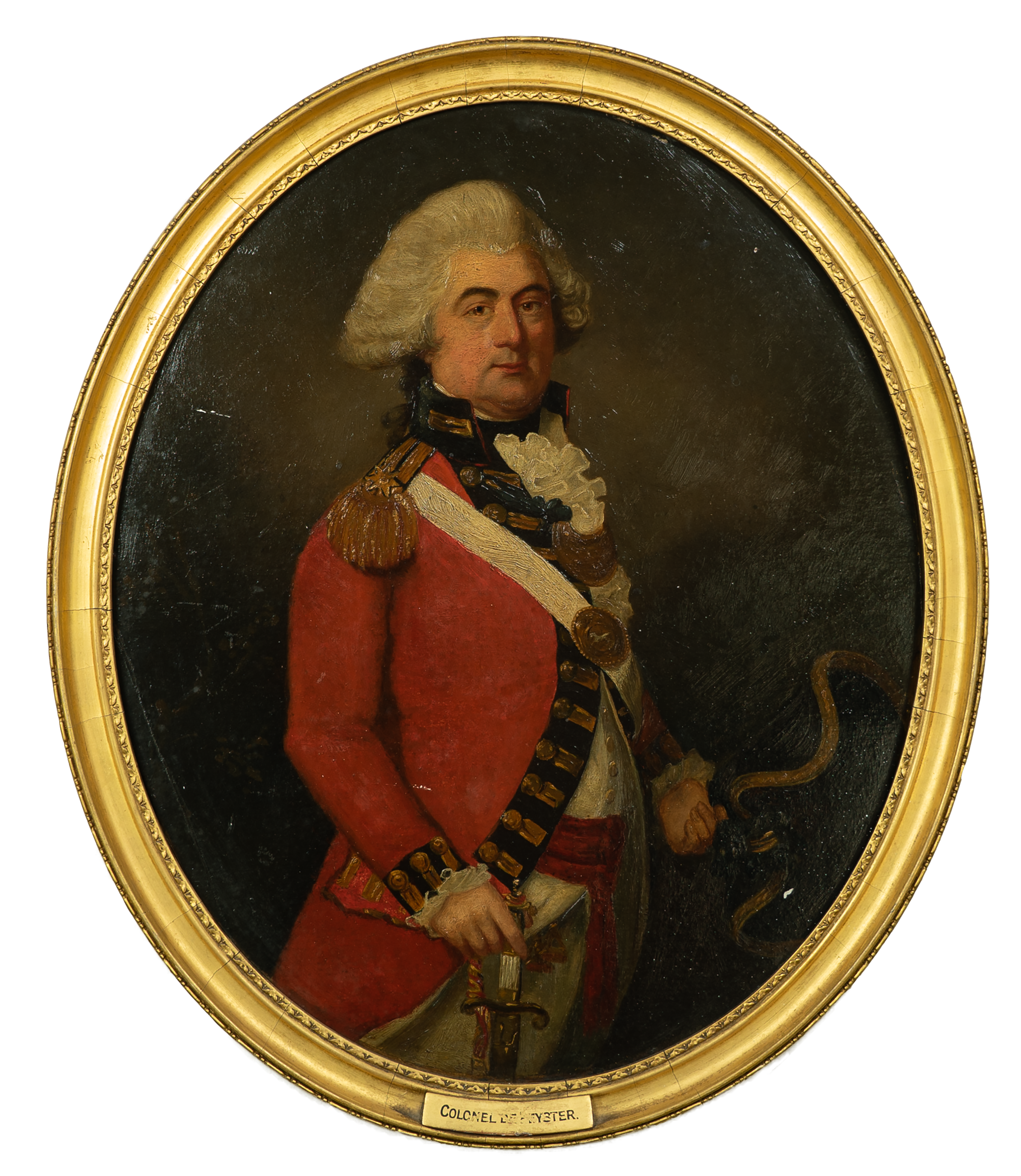
To get from the musical-inspiring Hamilton to the wilderness of northern Michigan, we need look no further than Arent S. DePeyster, Michilimackinac’s commanding officer between 1774 and 1779. His middle initial, S, is the first clue linking him to Hamilton, as it stands for Schuyler. The Schuylers, originally from the Netherlands, were among the largest and most prominent families of colonial New York. Arent’s maternal grandfather, Arent Philipse Schuyler (1662-1730), was an influential land speculator and developer. Arent Philipse had several brothers, including Johannes Schuyler (1668-1747). Like the rest of the family, Johannes had several children of his own, and one of his grandchildren was Philip Schuyler (1733-1804). Arent DePeyster was thus Philip Schuyler’s second cousin, and as fans of the musical may know, one of Philip’s daughters, Elizabeth, married Alexander Hamilton in 1780 during the War for Independence.
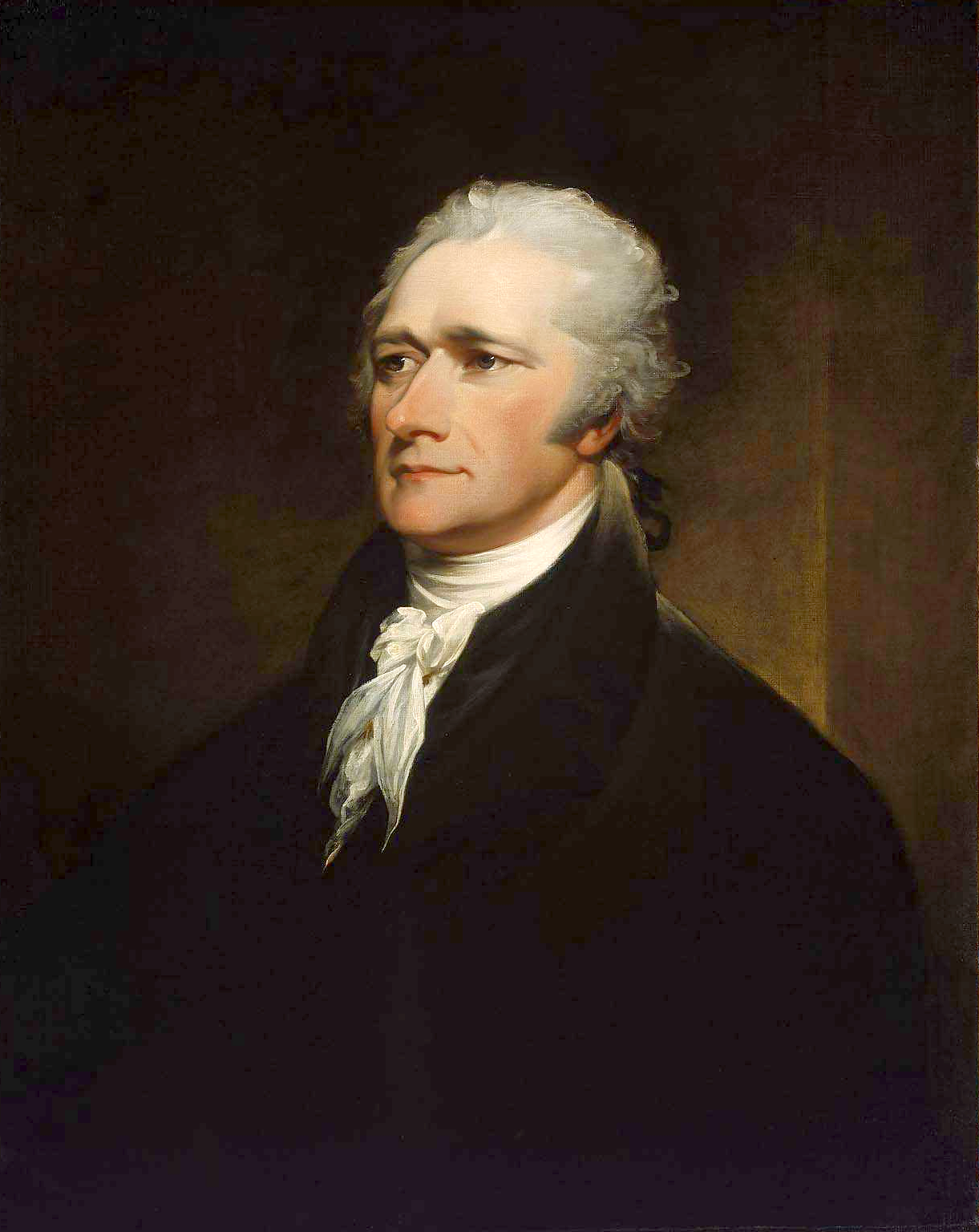
Although Hamilton is well-known today, his father-in-law Philip was perhaps more famous in the 1770s, and probably knew DePeyster personally. In a poem, Arent described Philip’s estate near Saratoga, New York, where he and his wife Rebecca stopped on their journey to Michilimackinac in 1774. DePeyster even referred to his cousin as “Phil.” At the time of the visit, Schuyler was a member of the New York Assembly and one of the colony’s wealthiest landowners. Just a year later, however, he was elected to the Continental Congress, and soon after was appointed a major general and placed in command of the Northern Department of the new Continental Army. He was in overall command of the unsuccessful American invasion of Canada at the end of 1775, and later organized the early stages of defense against John Burgoyne’s British invasion of New York in 1777. Philip resigned from the army in 1779, and after the war ended he served in both the New York State Senate and the first U.S. Senate. His cousin Arent, meanwhile, remained steadfastly loyal to the British government, directing operations against the American rebels around the Great Lakes until he returned to Great Britain in 1785.
Although the DePeyster-Schuyler-Hamilton connection is somewhat trivial, it shows how entangled and interesting history can be. It’s also a great example of how people at Michilimackinac, although physically far removed, were directly linked to well known personalities and events of the American Revolution.
Additional Reading:
An “Unlucky Affair” at Colonial Michilimackinac: The Stabbing of Lt. James Hamilton