Archaeology Update
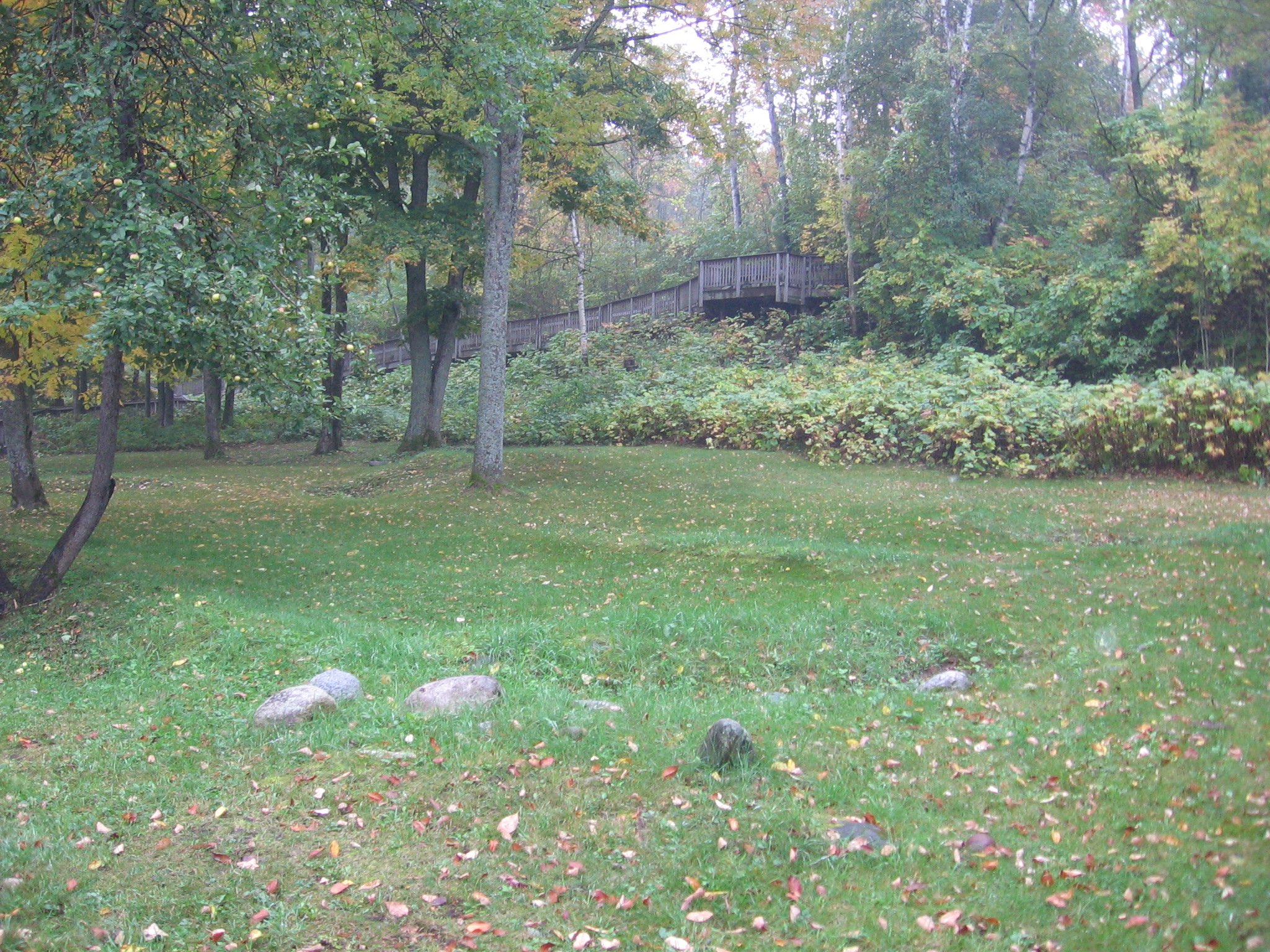
Halfway through the archaeology season we have found some interesting artifacts, the end of some features, and more questions. The root cellar in the southeast corner of the house has




Halfway through the archaeology season we have found some interesting artifacts, the end of some features, and more questions. The root cellar in the southeast corner of the house has
Watching the sawmill operate is one of the highlights of a visit to Dousman’s Mill. Seeing the original grist mill stones reunited in the American Millwright’s House is the result of good historical detective work. However, milling was the not the only enterprise at Mill Creek.
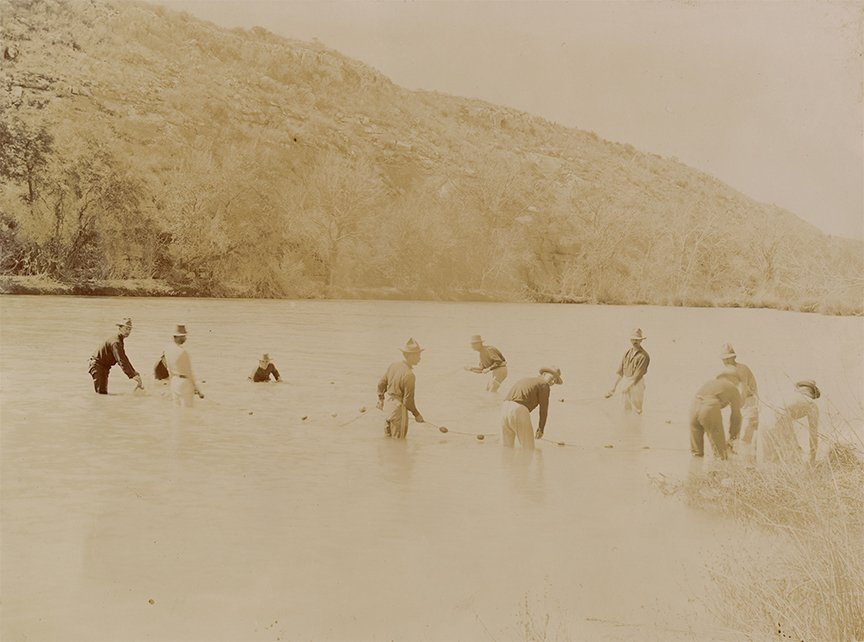
If you’ve visited Fort Mackinac, you’ve probably seen our historical interpreters performing demonstrations and leading tours while wearing the uniforms of the U.S. Army of the 1880s. We strive to have accurate reproductions, but what did the historic soldiers of Fort Mackinac wear under their uniforms?
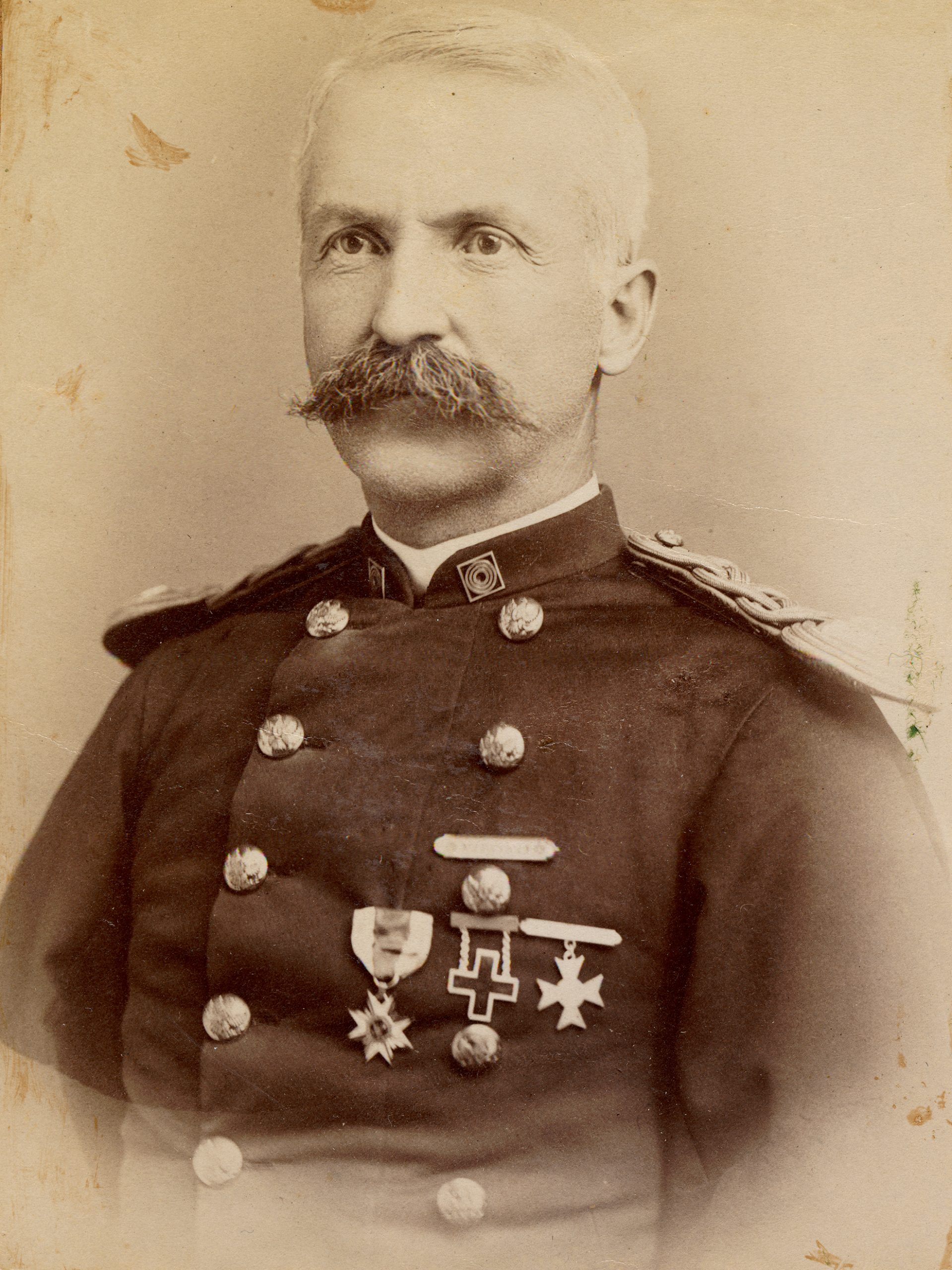
While General Granger was reading General Order No. 3, two future Fort Mackinac officers were also on occupation duty in the south. William Manning and future post commander Greenleaf Goodale were both stationed in Louisiana in the summer of 1865.
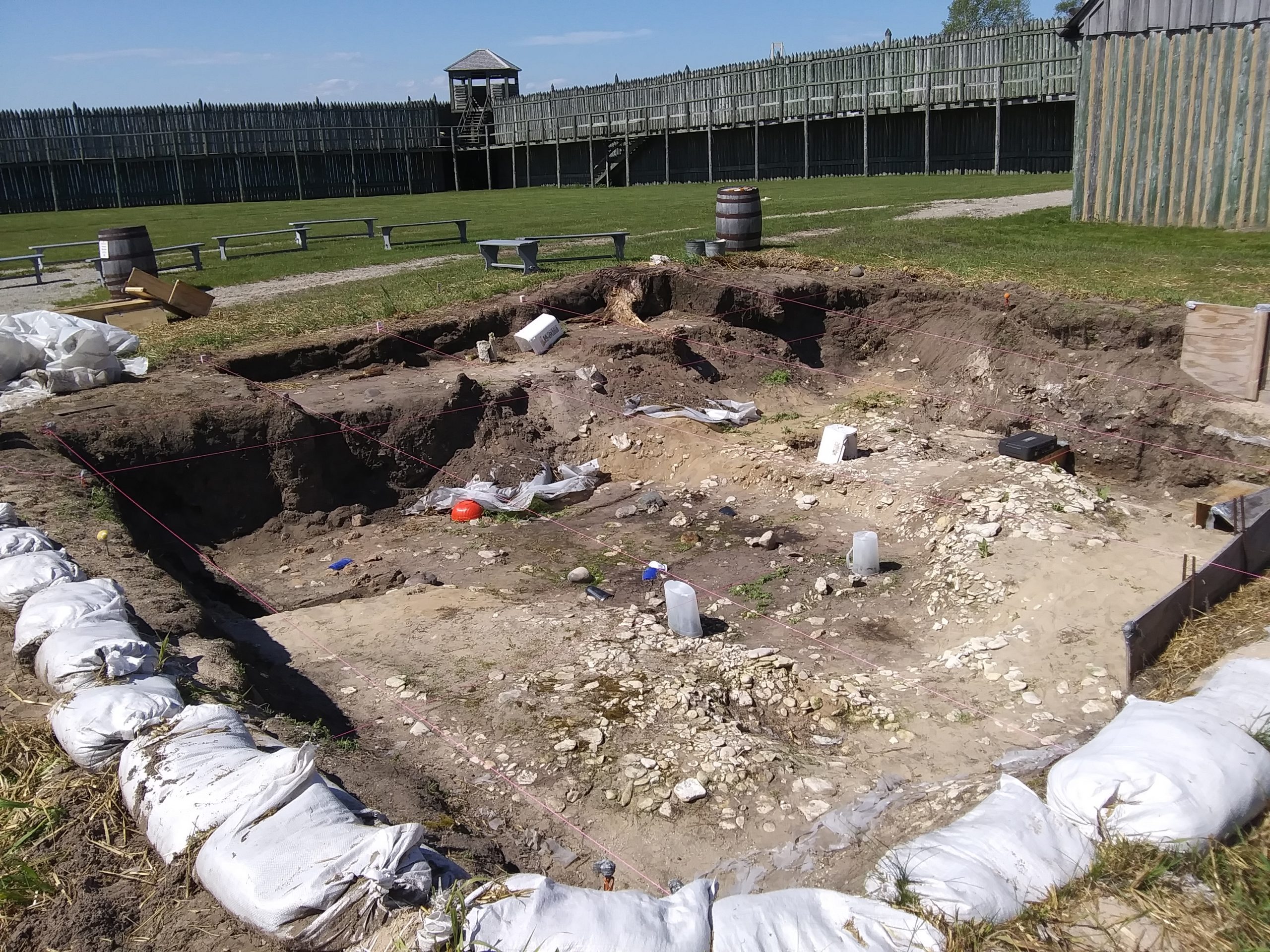
After a very long wait, MSHP archaeologists were excited to remove the straw and plastic sheeting from the archaeological site and begin preparing the site for excavation.
The earliest quilting was done not for bed coverings, but for clothing. The layers of fabric and padding stitched together gave garments protection and warmth. As quilting evolved, it began
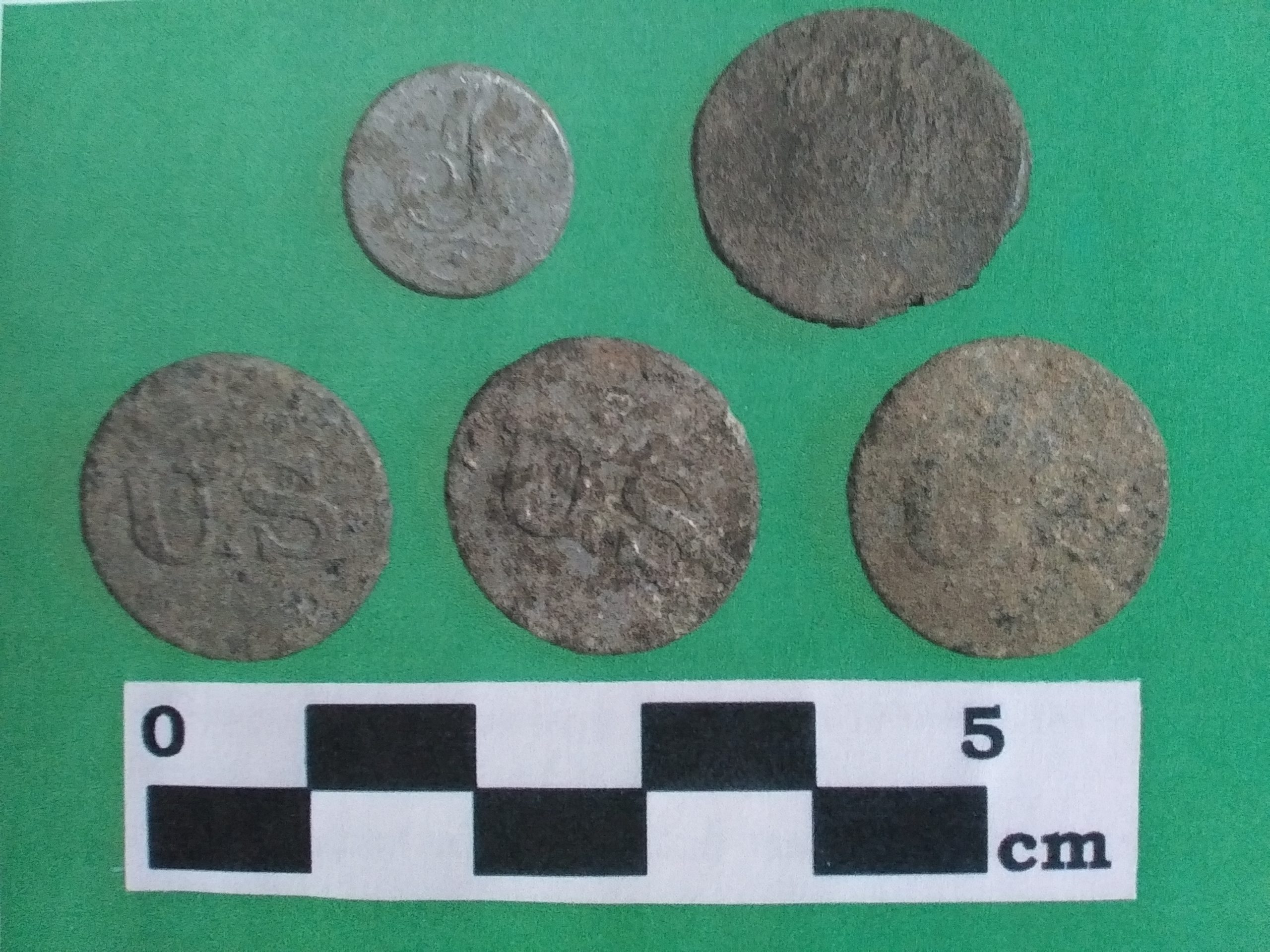
One of the most unusual archaeological projects to take place on Mackinac Island was a metal detector survey of the portion of the 1814 battlefield located on Wawashkamo Golf Club.
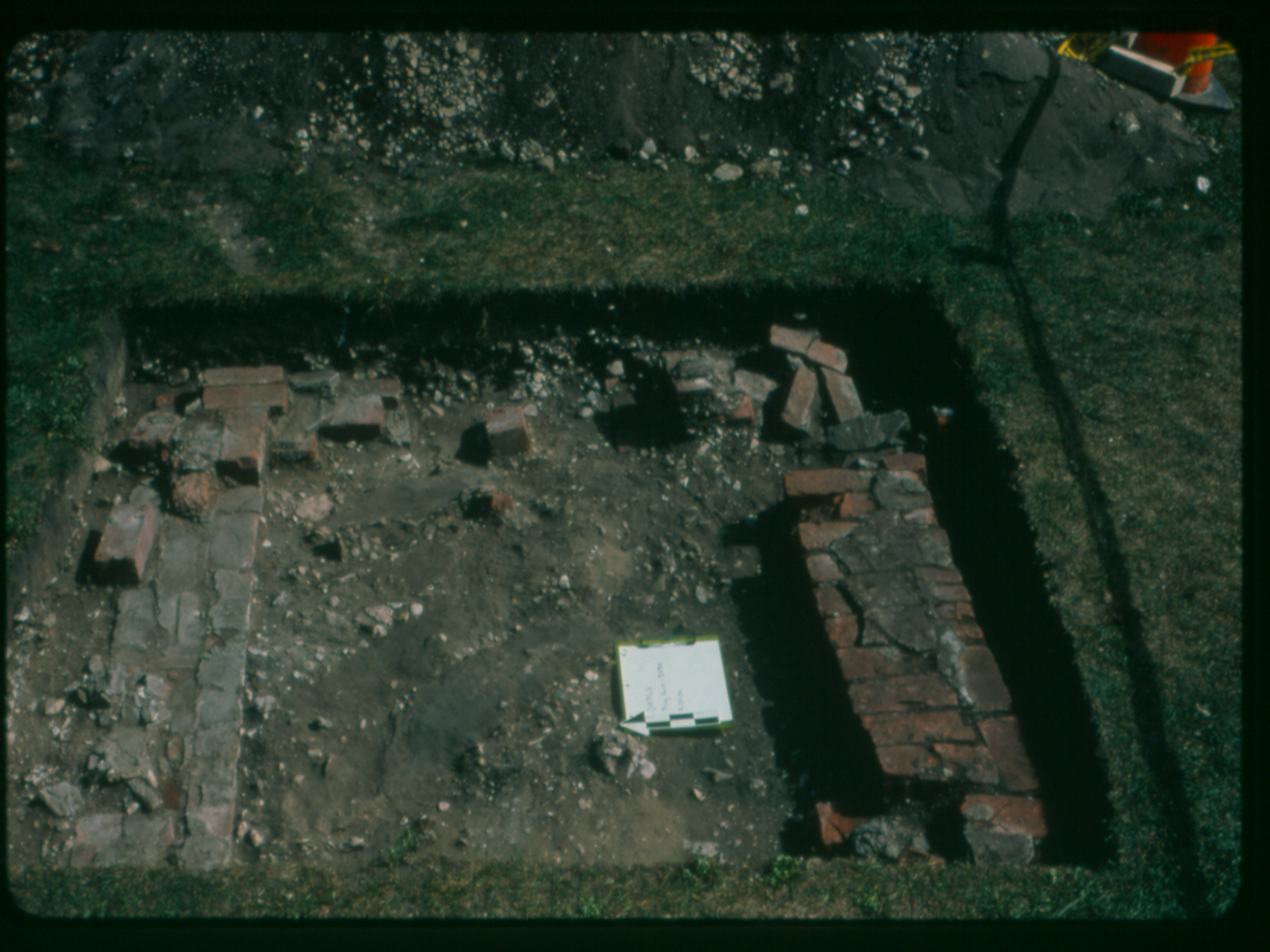
Restoration of the Old Mackinac Point Light Station includes not only the ongoing work at the lighthouse, but the restoration and reconstruction of support buildings and landscape features. As with
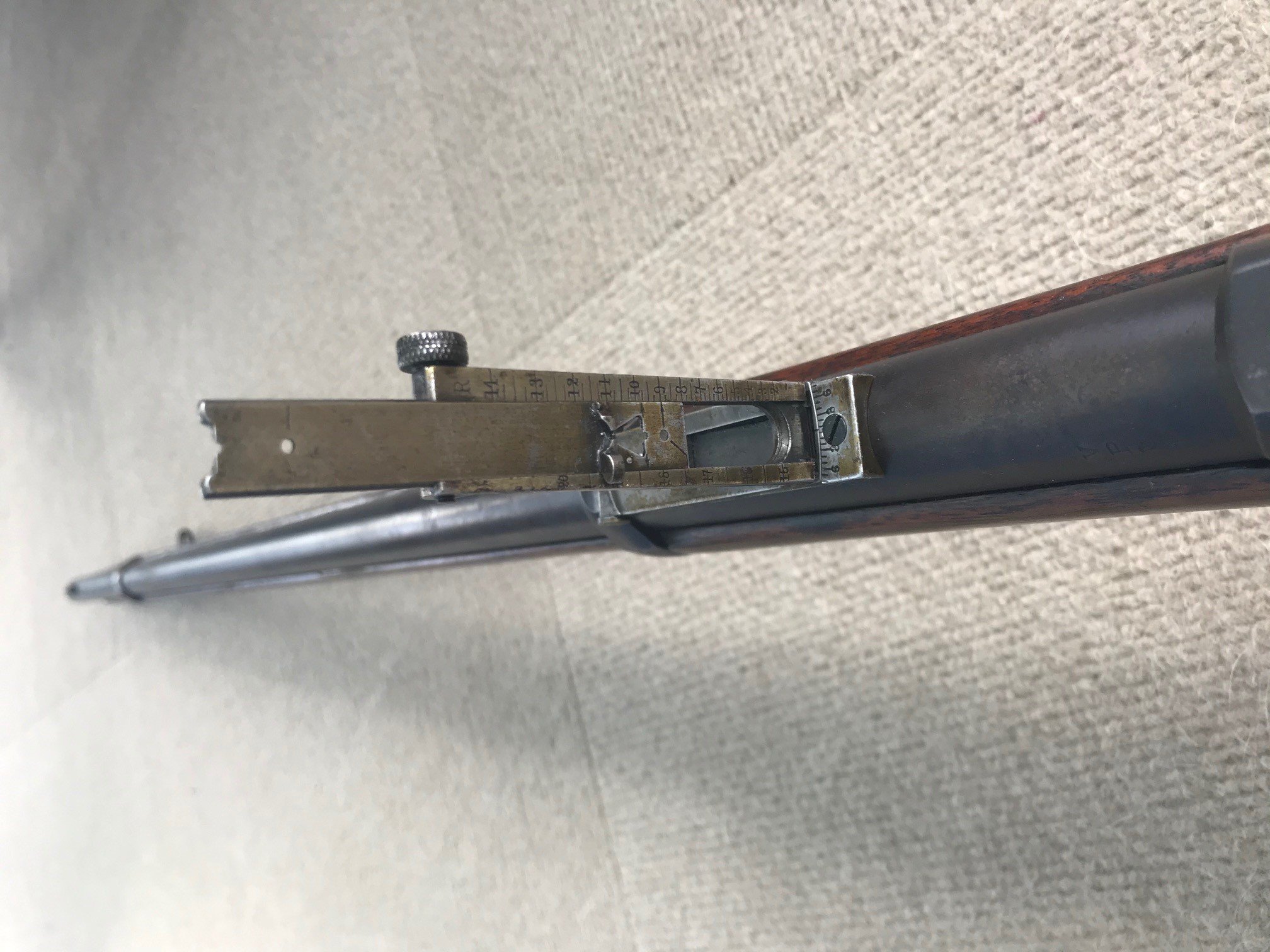
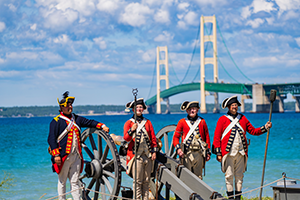
During the summer months, visitors to Fort Mackinac are able to see a real piece of history in action every single day. Historical interpreters representing soldiers from the 23rd Regiment